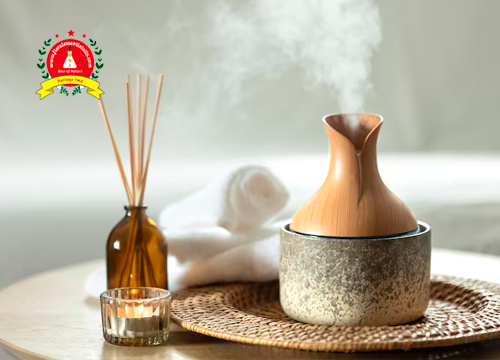
Stuffy room? Musty closet? Lingering cooking smells? Many people reach for an essential oil for air purification to freshen a space naturally.
Let’s set expectations first. No essential oil is a registered air disinfectant. None can replace real ventilation or filtration. But several oils smell wonderful, and some show antimicrobial activity in lab testing, which is why they remain popular in diffusers and cleaning sprays.
This guide covers 11 essential oils people commonly diffuse for a fresher-smelling home, plus how to use them safely.
Can Essential Oils Actually Purify the Air?
“Purify” is a strong word. Let’s break down what the evidence actually shows.
Some essential oils, like tea tree and clove, have demonstrated antimicrobial effects against specific germs in controlled lab settings. That’s different from proving they clean the air in your living room.
Diffusing itself also releases compounds into your air. Research published in the journal Indoor Air found that ultrasonic diffusers release volatile organic compounds (VOCs) as they run. The U.S. EPA’s guide to indoor air quality notes that many scented products, including natural ones, can add compounds to indoor air rather than remove them.
So what does that mean for you? Essential oils are great for scent. They’re not a proven substitute for opening a window, running a HEPA filter, or fixing a mold or ventilation problem.
What Essential Oils Clean the Air of Germs? A Realistic Recipe
People often search for a way to use essential oils to clean the air of germs. It helps to separate two different goals: freshening the air you breathe, and disinfecting the surfaces around you.
For surfaces, essential oils can be added to a cleaning routine, but they should not replace an EPA-registered disinfectant when you actually need to kill germs on a countertop or doorknob. For air, diffusing simply adds scent; it does not sanitize the room.
A reasonable middle ground: clean surfaces with a proper disinfectant first, then diffuse a favorite oil afterward purely for the pleasant, “just-cleaned” scent. This gives you both real hygiene and a nice-smelling home, without relying on the oil to do a disinfectant’s job.
11 Best Essential Oils for Air Purification
Here are 11 oils people commonly diffuse to freshen indoor air. Use them for scent and ambiance, alongside good ventilation, not instead of it.
1. Tea Tree Essential Oil
Tea tree is the most studied oil for antimicrobial activity. Many people diffuse it during cold season for its sharp, medicinal scent.
2. Lemon Essential Oil
Lemon has a bright, clean aroma that many associate with freshness. It’s a popular choice for kitchens and bathrooms.
3. Eucalyptus Essential Oil
Eucalyptus has a cooling, camphor-like scent. It’s a favorite for stuffy rooms and during seasonal congestion.
4. Lavender Essential Oil
Lavender offers a soft, calming aroma. It’s one of the gentlest floral oils and works well in bedrooms.
5. Peppermint Essential Oil
Peppermint brings a crisp, minty freshness. A drop in a diffuser can instantly change the feel of a stale room.
6. Clove Bud Essential Oil
Clove has a warm, spicy scent and a long history in traditional practices. It’s strong, so use it sparingly in blends.
7. Cinnamon Leaf Essential Oil
Cinnamon leaf adds a cozy, festive note. It pairs well with citrus oils for a welcoming home scent.
8. Rosemary Essential Oil
Rosemary has an herbal, energizing aroma. Many people diffuse it in home offices for a fresh, alert feeling.
9. Thyme Essential Oil
Thyme has a sharp, herbal scent. It’s traditionally paired with other oils in cleaning-spray blends.
10. Lemongrass Essential Oil
Lemongrass has a citrusy, grassy aroma. It’s a common pick for entryways and living rooms.
11. Cedarwood Essential Oil
Cedarwood offers a warm, woody base note. It grounds citrus and mint blends and works well in closets or cars.
How to Diffuse Essential Oils for a Fresher-Smelling Home
Getting the most from your oils comes down to a few simple habits:
- Use 3–5 drops per 100ml of water in an ultrasonic diffuser
- Run the diffuser in 30–60 minute sessions, not all day
- Keep the room ventilated while diffusing
- Choose one or two oils per blend to avoid overwhelming scents
- Store oils away from direct sunlight to protect their quality
A Simple Air-Freshening Spray Recipe
Combine 10 drops of lemon oil, 5 drops of tea tree oil, and 4 oz of distilled water in a glass spray bottle. Shake before each use. This freshens fabric and air, but it is not a disinfectant or a substitute for cleaning surfaces properly.
Can I Put Essential Oils on My Air Filter?
Many people search for essential oils on air filters as a shortcut to a scented home. We’d recommend against it.
Undiluted oil on an HVAC or furnace filter can damage the filter material over time. Some manufacturers warn this may also affect airflow or void a warranty. A diffuser is a safer, more controllable way to add scent to a room.
What About Pets and Sensitive Household Members?
Cats process essential oil compounds differently than humans and dogs. Some oils, including tea tree, are considered risky around cats. Keep diffusers in well-ventilated, open areas, and give pets the option to leave the room.
People with asthma, allergies, or chemical sensitivities may also react to diffused oils. If anyone in your home falls into this group, diffuse for shorter sessions and watch for symptoms.
Essential Oils vs. Real Air Purification
If your goal is genuinely cleaner air, whether for allergies, wildfire smoke, or pet dander, a HEPA air purifier and good ventilation do the heavy lifting. Essential oils are a wonderful finishing touch for scent, not a replacement for filtration.
Use both together: run your air purifier as usual, then diffuse a favorite oil separately for a pleasant aroma.
Best Essential Oil Blends by Room
Different rooms call for different scent profiles. Here are a few combinations worth trying in your diffuser:
- Kitchen: 3 drops lemon + 2 drops peppermint, to cut through cooking smells
- Bathroom: 3 drops tea tree + 2 drops lemongrass, for a clean, spa-like feel
- Bedroom: 4 drops lavender + 1 drop cedarwood, for a calming wind-down scent
- Home office: 3 drops rosemary + 2 drops lemon, to support focus during work
- Living room: 2 drops cinnamon leaf + 2 drops lemon + 1 drop clove, for a warm, welcoming feel
Start with fewer drops than you think you need. You can always add more, but it’s harder to tone a blend down once it’s diffusing.
Do You Need a Specific Brand Like Young Living?
Many people search for Young Living essential oils for air purification by name, assuming a specific brand works differently than others. In reality, any pure, undiluted essential oil produces the same aromatic and chemical compounds regardless of which company bottled it.
What matters more than the brand name is purity. Look for oils that are steam-distilled, free of synthetic additives, and tested for quality. That’s true whether you’re buying a big-name brand or ordering direct from a manufacturer.
Shop Pure Essential Oils at Floral Essential Oil
Floral Essential Oil manufactures and exports pure, natural essential oils from Kannauj, India. Every batch goes through quality checks before it ships.
Explore our tea tree essential oil, lemon essential oil, and eucalyptus essential oil to build your own fresh-home diffuser collection.
Frequently Asked Questions
1. What essential oils are good for air purification?
Tea tree, lemon, and eucalyptus are popular choices for freshening a room, though none are registered air disinfectants.
2. Do essential oils kill germs in the air?
Some oils show antimicrobial activity in lab studies. There isn’t strong evidence that diffusing them reliably kills airborne germs in a real room.
3. Can I put essential oils on my HVAC air filter?
It’s best to avoid this. Undiluted oil can damage filter material. Use a diffuser instead for controlled scent.
4. Are essential oil diffusers safe to run all day?
Shorter sessions with good ventilation are generally recommended over continuous, all-day diffusing.
5. Can I use any brand of essential oil for air purification?
Yes. Any pure, high-quality essential oil works the same way for scent purposes, regardless of brand.
6. How long should I run my diffuser each day?
Most people find 30–60 minute sessions, a few times a day, work well. Continuous all-day diffusing isn’t necessary and adds more compounds to the air over time.
Ready to Freshen Your Home Naturally?
Browse Floral Essential Oil’s full essential oils collection or contact our team for wholesale pricing and blending guidance.
 Chat with us !