Browsing Category

Uncategorized

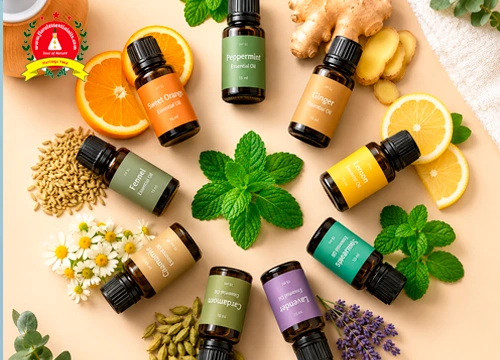
Best essential oils for nausea including peppermint, ginger, lemon, lavender, chamomile, and spearmint displayed for natural aromatherapy relief.
Uncategorized

9 Best Essential Oils for Nausea Relief in 2026 

Nausea can hit at any time – from morning sickness in pregnancy to post-operative queasiness or motion sickness. Instead of always reaching for medications, many people turn to aromatherapy for relief. Inhaling the right essential oils can calm the stomach via the brain’s olfactory pathways. Aromatherapy is even used clinically to help pregnant women and hospitalized patients feel better. Below we explain nine top oils, with tips on safe use.

How Aromatherapy Eases Nausea

Essential oils interact with the limbic system in the brain, which influences nausea and vomiting reflexes. For example, peppermint oil contains menthol, an antispasmodic that relaxes stomach muscles, while ginger oil speeds digestion and blocks nausea receptors. Even lavender or citrus scents can break the stress–nausea cycle by reducing anxiety. Many hospitals and cancer centers use aromatherapy as a gentle complementary therapy for upset stomachs.

1. Peppermint – The Gold Standard

Peppermint essential oil is one of the most-studied nausea remedies. Clinical trials found that inhaling peppermint oil significantly reduced nausea and vomiting in hospitalized patients. A 2023 meta-analysis concluded that peppermint oil inhalation “may be a promising complementary therapy” for postoperative, chemotherapy, and pregnancy-related nausea. Its menthol acts as an antispasmodic, relaxing digestive muscle. In fact, midwifery guidelines explicitly list “PEPPERMINT – Nausea and/or vomiting” as an indication.

  • Best for: All kinds of nausea – motion sickness, menstrual, post-surgery, chemotherapy.
  • How to use: Diffuse 3–4 drops, inhale 1–2 drops from a tissue, or apply a tiny diluted drop on the temples or wrists. (Do not ingest.)
  • Note: Avoid near eyes or with babies. A little is strong – a quick sniff usually works within minutes.

2. Ginger – The Digestive Soother

Ginger has been a natural nausea remedy for centuries, and science backs it up. Its oil contains gingerol and shogaol, compounds that speed up gastric emptying and calm the gut. Research shows ginger oil is especially helpful for pregnancy-related nausea and postoperative queasiness. One trial found ginger aromatherapy relieved anesthesia-induced nausea, and it’s widely considered safe for morning sickness.

  • Best for: Morning sickness, motion or car sickness, and general upset stomach.
  • How to use: Dilute 2 drops in a teaspoon of carrier oil (like coconut or almond) and massage onto the abdomen or back. You can also sniff the oil directly or diffuse 3–4 drops in the room.
  • Note: Ginger oil is warming and safe for pregnancy. It has a spicy scent that some people find soothing.

3. Lavender – The Calming Remedy

While lavender isn’t minty or spicy, its relaxing effects indirectly curb nausea. Lavender’s calming aroma reduces stress and anxiety, which often trigger or worsen queasiness. Studies report lavender aromatherapy can ease post-surgery nausea without side effects. In hospitals, nurses sometimes use lavender scents to help patients recover from surgery. For someone feeling anxious about nausea, lavender oil can “help your mind decompress” and break the stress–nausea loop.

  • Best for: Stress-induced nausea, nervous stomach, insomnia-related queasiness.
  • How to use: Diffuse 5–6 drops in a bedroom at bedtime or add to bath water. You can also inhale from a personal inhaler or put 1 drop on a pillow.
  • Note: Lavender oil is gentle and non-irritating. It’s safe around children and during pregnancy (always dilute).

4. Lemon – The Uplifting Cleanser

Lemon and other citrus oils have a “fresh, clean” scent that can settle the stomach. In a controlled trial of pregnant women, inhaled lemon oil significantly outperformed placebo in reducing morning sickness. Lemon’s aroma stimulates saliva and gastric juices, aiding digestion. In summary, “the difference was much more significant in the lemon group” for nausea relief. Just smelling fresh lemon or diffusing a drop can brighten mood and calm nausea.

  • Best for: Pregnancy nausea (morning sickness), sluggish digestion, post-meal bloating.
  • How to use: Put 1–2 drops in a diffuser or on a cotton ball. (Do not ingest oils.) Sniff directly from the bottle when feeling sick.
  • Note: Lemon oil is photosensitive. Use it only in a diffuser or indoors; avoid direct sun on skin after use.

5. Spearmint – A Gentle Mint Alternative

Spearmint oil is a milder cousin of peppermint, with lower menthol content. It’s gentle enough for kids or sensitive stomachs but still effective. Like peppermint, spearmint relaxes digestive muscles and freshens the nose. Health experts note that diffusing or inhaling spearmint can bring relief during nausea episodes. The scent is bright and mildly minty, making it a pleasant option for people who find peppermint too strong.

  • Best for: Children’s nausea, gentle digestive upset, or anyone who dislikes strong mint.
  • How to use: Diffuse or drop 2–3 drops into hot water for a steam inhale. You can also apply a diluted drop to the neck.
  • Note: As with all oils, dilute on skin. Spearmint still contains menthol, so avoid overuse around infants.

6. Cardamom – The Spicy Sweet Relief

Cardamom oil comes from a spice related to ginger. In traditional Ayurvedic remedies, cardamom is prized for digestion. Modern studies included cardamom oil in blends to treat post-operative nausea, with promising results. Its sweet-spicy aroma not only smells comforting but also helps reduce gas and stomach cramps that can trigger nausea.

  • Best for: Nausea with bloating or gas (e.g. after eating rich foods).
  • How to use: Dilute 2 drops in 1 teaspoon of carrier oil and massage over the stomach. Or diffuse a few drops in a diffuser.
  • Note: Cardamom’s warm scent can be especially soothing in an anti-nausea massage oil or inhaler blend.

7. Fennel – The Carminative

Fennel oil is another tummy-soother. It relaxes intestinal smooth muscle and relieves gas, which indirectly eases nausea. Many herbal teas use fennel for digestion, and the oil can have a similar effect. You can dilute fennel oil on the abdomen or inhale it lightly when queasy. It’s considered very safe and can be used multiple times per day if needed.

  • Best for: Nausea from overeating, indigestion, or constipation.
  • How to use: Add 3 drops to a diffuser or mix with a carrier oil (5–10 drops per ounce) and rub on the belly.
  • Note: Pure fennel oil is potent; always dilute. It’s generally well-tolerated but should be used sparingly on children.

8. Chamomile (Roman) – The Gentle Relaxant

Roman chamomile oil is famous for calming nerves and spasms. If your nausea is tied to anxiety, cramps, or tension, chamomile can help. It has anti-spasmodic properties that can ease cramps (both stomach and menstrual). Bathing or diffusing chamomile oil can soothe an upset stomach and nerves simultaneously.

  • Best for: Anxiety-related nausea, menstrual nausea, or general stomach aches.
  • How to use: Add 4 drops to a diffuser, or dilute (2–3 drops per tsp carrier) and apply to wrists, temples, or belly.
  • Note: Roman chamomile is very gentle and child-safe. It has a sweet, apple-like scent.

9. Eucalyptus – The Decongestant Helper

Though not a typical “stomach” oil, eucalyptus can relieve nausea caused by sinus congestion or postnasal drip. Eucalyptus clears airways and has mild anti-inflammatory effects. If nausea comes with head cold or seasonal allergies, inhaling eucalyptus steam can ease both breathing and stomach upset.

  • Best for: Nausea from colds, flu, or sinus problems.
  • How to use: Place 2–3 drops in a bowl of hot water, cover your head with a towel, and inhale the steam. (Be cautious with direct eye contact.)
  • Note: Eucalyptus oil is strong and should be kept away from infants. It’s usually used only for inhalation, not on skin.

Safety Tips for Using Oils

  • Always dilute: Never apply pure essential oil directly to the skin. A common mix is 3–5 drops of essential oil per teaspoon of carrier oil (like jojoba or almond).
  • Patch-test: Before topical use, do a skin patch test (1 drop oil + carrier, apply to the forearm, wait 24h). Discontinue if irritation occurs.
  • Avoid ingestion: Swallowing essential oils can be toxic. Stick to inhalation or diluted topical use only.
  • Watch for sensitivities: Some people experience skin redness with peppermint or lavender. If in doubt (pregnancy, medication, pets), check with a healthcare provider.
  • Respiratory cautions: Do not inhale fumes directly from a diffuser for too long (take breaks), as very strong aroma can irritate mucous membranes.

Quick-Start Table: Oils & Uses

Essential OilBest ForHow to Use
PeppermintGeneral nausea (motion sickness, headache)Diffuse 3–4 drops, inhale or dab diluted on wrists
GingerMorning sickness, post-op nausea, indigestionDilute on abdomen (2–3 drops) or diffuse; chew ginger candy or drink ginger tea
LavenderStress or anxiety nauseaDiffuse 5 drops (bedtime) or use in bath
LemonPregnancy nausea, sluggish digestionDiffuse 1 drop or inhale from bottle
SpearmintMild nausea (children, sensitive people)Diffuse or steam inhale (2 drops)
CardamomNausea with bloatingDilute and massage on belly (2 drops)
FennelNausea from gas/overeatingDilute on stomach or diffuse (2–3 drops)
Roman ChamomileAnxiety or cramp-related nauseaDiffuse or dilute on wrists (3 drops)
EucalyptusNausea from colds/sinus issuesSteam inhale (2 drops in hot water)

Each of these oils can be found pure from reputable suppliers. Choose 100% pure oils (like Floral Essential Oils’ range) and look for quality testing (GC-MS reports) to ensure effectiveness and safety.

Frequently Asked Questions

Q: What’s the best essential oil for nausea?
A: Peppermint and ginger have the strongest evidence. Peppermint is the top choice for quick relief, while ginger is a classic remedy (especially for pregnancy-related nausea). Lemon oil is also great for morning sickness.

Q: Does peppermint really help with nausea?
A: Yes. Multiple studies, including a hospital trial, found that inhaled peppermint oil significantly eases nausea and vomiting. Guidelines even list peppermint oil for nausea relief.

Q: Can I use these oils during pregnancy?
A: Some, yes – but with caution. Ginger and lemon are generally considered safe in low dilution for aromatherapy during pregnancy. Always dilute well, use sparingly, and consult your healthcare provider.

Q: How do I use peppermint oil for nausea?
A: The fastest way is inhalation. Place a drop on a tissue and sniff, or add a few drops to a diffuser. You can also mix 1–2 drops with carrier oil and apply to the temples or belly. Do not swallow peppermint oil.

Q: Are these oils safe for kids?
A: Some are. Spearmint and diluted ginger or chamomile are mild options for older children. Always consult a pediatrician first. Never use peppermint oil on or near an infant.

Q: Which scents help with nausea?
A: Generally, minty (peppermint, spearmint), spicy (ginger, cardamom), and citrus (lemon) scents are most effective. Calming scents like lavender or chamomile can help if stress is part of the problem.

Natural Nausea Relief

While essential oils aren’t a magic cure, they can provide quick comfort for mild nausea. By inhaling or massaging with the right oil blend, you help reset your body’s “sick signal” from the brain. For persistent or severe nausea, always check with a doctor.

Woman experiencing stress in a classroom setting, representing the benefits of essential oils for stress and anxiety relief.
Uncategorized

Essential Oils for Stress and Anxiety: Natural Relief Guide

Stress and anxiety affect many people daily. Thankfully, natural remedies like essential oils for stress and anxiety are widely used to promote calm. These plant extracts (aromatherapy oils) release soothing scents that interact with the brain’s emotional center. Research and experts (e.g. Cleveland Clinic) note that aromatherapy may help manage anxiety, especially situational “state” anxiety. In this guide, we explain how aromatherapy works, list the best oils for anxiety, cover safe usage, and answer common questions. Floral Essential Oil is a trusted supplier of pure oils, and we focus on quality oils (like lavender, chamomile, bergamot, etc.) known for their calming benefits.

How Aromatherapy Eases Stress and Anxiety

When you inhale essential oils, scent molecules travel to the brain via the olfactory system. This triggers the limbic system (which governs emotions, mood and memory). The brain then releases calming hormones (serotonin, dopamine) that can help lower anxiety. For example, studies report that inhaling certain oils can reduce state anxiety scores and even lower heart rate and blood pressure. A 2023 systematic review found that aromatherapy “EOs are effective in reducing both state anxiety and trait anxiety” in clinical trials. Aromatherapy therefore offers a complementary approach: it’s not a cure, but many users find it supports relaxation and better mood.

Common usage methods include inhaling oils (via a diffuser or inhaler) and diluted topical application (e.g. mixed with a carrier oil). For stress relief, people might diffuse oils in their bedroom before sleep, add a few drops to a warm bath, or mix oils into massage blends. Even casual practices like smelling a cotton ball dipped in lavender oil can create a calming environment.

Best Essential Oils for Stress & Anxiety

Certain oils have long reputations for stress relief. Use each oil safely and in moderation (see Safety tips below). Here are some of the top essential oils for stress and anxiety:

1. Lavender (Lavandula angustifolia)

Often called the “go‑to” relaxation oil. Its gentle floral-herbal scent promotes calm and better sleep. Clinical sources note lavender’s stress-relieving effects; for instance, Floral Essential Oil describes its fragrance as “pleasant” and “good for relieving tension, stress [and] depression”. Research also suggests lavender aromatherapy can lower anxiety and blood pressure. .

2. Chamomile (Matricaria/Chamomilla)

Two common types are Roman chamomile and German chamomile. Both are renowned for a soothing effect. Floral Essential Oil’s Chamomile (Hungary) details list “relaxes the nerves” and is “excellent for anxiety and stress”. It’s often used in evening blends or massage oils to calm an overactive mind.

3. Bergamot (Citrus bergamia)

A citrus oil that is surprisingly calming. Its fresh, uplifting scent can ease tension without overstimulation. Floral’s bergamot oil is described as “sedative yet uplifting” and “ideal for all states of anxiety, depression and stress-related conditions”. Bergamot has been studied for mood and anxiety support, making it a popular choice in aromatherapy.

4. Ylang-Ylang (Cananga odorata)

Known for its rich, floral aroma, ylang-ylang is often used in stress-relief blends. It is believed to balance emotions and reduce stress. Floral’s product notes that ylang-ylang “works for balancing the emotions and reducing stress and anxiety”. This oil is frequently included in blends for relaxation, self-care baths, or massages.

5. Frankincense (Boswellia serrata)

A warm, woodsy oil prized for its grounding effect. It’s often used in meditation and relaxation. According to Floral’s description, frankincense has an “elevating yet soothing effect on the emotions” and “allows past traumas and anxieties to fade away”, instilling “peace and calm”. It’s a gentle oil that can help reduce tension and encourage a positive mood.

Additional helpful oils include Rose Otto (Rosa damascena), Sweet Orange, Clary Sage, Geranium, and Vetiver, each with calming or mood-balancing properties. (For example, rose-geranium oil is known to promote emotional balance.) Floral Essential Oil’s Essential Oils collection includes many of these.

Safe Use and Precautions

Essential oils are concentrated; safety is key. Always dilute oils before topical use. A general guideline for adults is a 1–3% dilution (≈6–18 drops per 30ml carrier oil). Never apply undiluted oil to skin or eyes. Do not ingest essential oils unless under professional guidance. In general, avoid direct ingestion altogether.

For inhalation, use intermittent diffusion. Experts advise against continuous breathing of oil for long periods. For instance, Tisserand’s safety guidelines recommend diffusing oils “for 30–60 minutes on, then 30–60 minutes off”. Likewise, avoid intense steam inhalation for more than 15–20 minutes. Always ensure good ventilation when diffusing.

Some oils (like bergamot) can increase sun sensitivity, so avoid sun exposure after skin application. Patch-test any new oil on a small skin area to check for reactions. Keep oils away from children and pets; even a few drops can be potent. Store oils out of reach.

Certain people should use caution. If you have pregnancy, epilepsy, asthma, or serious health conditions, consult a doctor before aromatherapy. Children and the elderly need weaker dilutions (often 0.25–1%). Do not use undiluted oils on infants or young children. Women who are pregnant or nursing should seek professional advice on safe choices.

Overall, when used correctly, essential oils are generally safe. As Mayo Clinic notes, many people can use aromatherapy “as directed,” but it is wise to consult a healthcare provider for personalized advice.

Key Takeaways

1. Aromatherapy can help: 

Inhaled essential oils may reduce anxiety and stress by affecting brain chemistry and mood.

2. Top oils to try: 

Lavender, chamomile, bergamot, ylang-ylang, frankincense and others are often used to promote calm. Our site’s Lavender oil is “good for relieving tension, stress”, and Chamomile oil is “excellent for anxiety”.

3. Evidence: 

Research and reviews (e.g. a 2023 meta-analysis) show positive effects of aromatherapy on anxiety, but results can vary. Many studies report benefits, though more research is ongoing.

4. How to use: 

Diffuse oils in air, add to baths or carrier oils for massage, or use inhalers. Use short sessions and dilute properly. For example, diffuse 30–60 min on/off.

5. Safety first: 

Never ingest oils without guidance. Dilute before skin use. Some people (children, pregnant, certain conditions) need extra caution. Check for allergies and discontinue if you feel ill.

FAQ

Q: Can essential oils really help with stress and anxiety?
Many people find they do. Scientific reviews indicate essential-oil aromatherapy can significantly reduce anxiety scores in clinical studies. For example, lavender and citrus oils have been shown to lower anxiety and blood pressure. Major health sources like Mayo Clinic and Cleveland Clinic acknowledge that aromatherapy “might have health benefits” and “may help manage anxiety”. While not a guaranteed cure, these oils can complement relaxation techniques and therapy.

Q: Which essential oils are best for anxiety?
A: Some of the most effective oils include:

  • Lavender oil – deeply calming.
  • Chamomile oil – very soothing.
  • Bergamot oil – balances mood with a gentle citrus scent.
  • Ylang-ylang – helps lower stress and tension.
  • Frankincense – grounding and emotionally uplifting.
    Each person is different, so it’s good to try small amounts. Floral Essential Oil’s Lavender and Chamomile are examples of high-quality oils for relaxation.

Q: How do I use essential oils safely for anxiety relief?
A: For inhalation, use a diffuser or steam: add a few drops to water or a diffuser and breathe the aroma. For topical use, mix a few drops into a carrier oil (like coconut or sweet almond) and massage it onto skin (e.g. shoulders, wrists). Always dilute (about 2% for adults: 12–15 drops oil per 30ml carrier). Limit diffusing to ~30–60 minutes at a time. Never apply undiluted oil to skin or ingest it unadvisedly. If irritation occurs, stop use.

Q: Can I use essential oils daily for stress relief?
A: Yes, you can use them daily, but in moderation. For example, you might diffuse lavender oil in the evening each day, or use a calming blend on pulse points each morning. However, don’t overdo it: listen to your body. Take breaks from continuous diffusion (e.g. 30 min on/30 off) to avoid habituation. Always use oils with care, and store them safely.

Q: Are there any side effects or contraindications?
A: Most side effects are mild (skin irritation, headache) if oils are used properly. Essential oils are potent – always dilute and do a patch test. Some oils (like citrus oils) can increase sun sensitivity. Those with asthma or severe allergies should be cautious. According to safety guidelines, if you have health conditions (pregnancy, epilepsy, etc.), talk to a doctor before using pure oils. Keep oils away from children’s reach – they should only get age-appropriate dilutions or none at all.

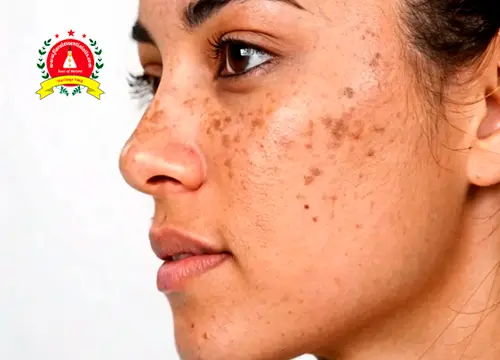
Woman with visible facial dark spots and hyperpigmentation on the cheeks, highlighting natural skincare solutions and essential oils for dark spots.
Uncategorized

Essential Oils for Dark Spots on Skin

Dark spots (hyperpigmentation) are caused by excess melanin often triggered by acne, skin injuries, sun exposure, or hormones. Many people seek natural remedies like essential oils for dark spots on skin as a gentle way to brighten their complexion. While conventional dermatology uses ingredients like vitamin C, retinoids and acids to lighten spots, natural oils can reduce inflammation and encourage skin renewal. For example, some experts note that essential oils’ anti-inflammatory and antibacterial properties may help the skin “improve its pigmentation” and appear brighter over time. However, board-certified dermatologists caution there’s no conclusive proof that essential oils will fade spots for everyone. Still, with correct use, certain oils can complement a skincare routine. Below we explore causes of dark spots and which oils may help lighten them.

What Causes Dark Spots (Hyperpigmentation)?

Dark spots occur when skin produces extra pigment (melanin) in a specific area. Common triggers include acne or eczema healing, cuts or burns healing, medications, irritating skincare products, and hormonal changes (like pregnancy). In each case, the skin over-produces melanin as it heals, leaving a brown or blackened patch. For example, a pimple or skin injury can lead to a dark mark after it clears, and these often fade slowly over months. Sunlight also stimulates melanin, so unprotected sun exposure can worsen spots. Because dark spots lie in the skin’s layers, fading them usually takes time. Dermatologists say once the trigger is gone (e.g. acne is cleared), spots typically fade in 6–12 months, but many people want faster results.

Dermatologist tip: Always use a broad-spectrum sunscreen (SPF 30+ or higher) to prevent new dark spots and protect existing ones. Sunscreen with iron oxide (a tinted formula) is often recommended to block visible light that can darken skin. Hats and shade also help prevent melanin overproduction.

Best Essential Oils for Dark Spots

Some essential oils have properties that may improve skin tone by reducing inflammation or stimulating cell turnover. The following oils are often recommended for hyperpigmentation:

1. Lavender Oil: 

A calming oil that supports skin healing. Lavender’s anti-inflammatory esters (like linalyl acetate) can soothe irritated spots and may reduce post-acne scarring. Use a few drops of pure lavender oil diluted in a carrier; it is gentle enough for daily use and may gradually lighten discoloration.

2. Geranium Oil: 

Known for its astringent and antioxidant effects. Geranium oil can tone and tighten skin, helping even out patches and improve hydration. It’s often used for irritated or acne-prone skin to soothe redness and subtly diminish dark marks. (Tip: mix geranium oil with a smaller amount of vitamin C serum or rosehip for extra brightening.)

3. Frankincense Oil: 

An ancient “skin elixir.” Frankincense is praised for promoting cell regeneration and elasticity. Regular use can help fade old scars and age spots by boosting healthy skin turnover without the harsh side effects of strong retinoids. A drop or two of frankincense oil (diluted) can be applied at night to pigmented areas.

4. Carrot Seed Oil: 

Rich in antioxidants, carrot seed oil may improve complexion and reduce scarred or sun-damaged spots. (It’s different from carrot carrier oil; carrot seed is highly concentrated.) This oil is often used in anti-aging serums to refresh dull, uneven skin. It can be mixed into a carrier and applied a few times a week.

5. Ylang Ylang Oil: 

Useful for balancing oily or combination skin, ylang ylang has been studied for inhibiting excess melanin. Its antioxidant components can improve skin tone. Add a drop of ylang ylang to your nightly facial oil blend to help prevent new dark spots in oily-prone areas.

Other oils sometimes mentioned are Tea Tree (to prevent acne that might lead to spots) and Chamomile (calming and anti-inflammatory), but avoid citrus oils like lemon or lime directly on the skin (they can cause irritation or sun sensitivity). Always research an oil before use.

How to Use Essential Oils Safely

Essential oils are potent. To use them for dark spots without irritation, follow these guidelines:

1. Always dilute in a carrier oil: 

Never apply an undiluted (neat) essential oil to skin. A good rule is 3–6 drops of essential oil per teaspoon of carrier oil (about 6–30 drops per ounce). Carrier oils like jojoba, sweet almond or rosehip are gentle on skin. For example, jojoba oil is anti-inflammatory, highly moisturizing and suitable for all skin types. (Carrier oils not only dilute, they also nourish the skin.)

2. Patch test first: 

Before putting any new oil on your face, do a patch test on your forearm. Wait 24 hours to check for redness, itching or burning. If you see a reaction, wash it off and avoid that oil.

3. Avoid sun exposure after citrus oils: 

Oils from citrus fruits (e.g. lemon, lime, grapefruit, tangerine) can make skin extremely sensitive to sunlight. If you use any citrus oil at all, only apply it at night and be diligent with sunscreen the next day. (Non-citrus oils like lavender and frankincense are safe in sunlight, but it’s still wise to use sunscreen daily.)

4. Use essential oils with moderation: 

Start by applying the diluted oil blend 2–3 times per week to pigmented areas. Consistency over weeks or months may yield gradual improvement; do not rush with higher concentrations. If irritation occurs, reduce frequency or concentration.

Precautions and Dermatologist Advice

While natural oils are gentle, remember that true resolution of dark spots often requires a multi-faceted approach. Dermatologists emphasize that the first line of defense is sun protection. Without sunscreen (SPF 30+ and broad spectrum), dark spots can worsen. Doctors may also prescribe lightening ingredients like azelaic acid, glycolic acid or hydroquinone to actively fade spots. These proven treatments work faster but can dry or irritate skin. Essential oils, by contrast, offer a more soothing approach.

Be aware that some “dark spot” products can be harmful. Never use skin-bleaching agents (like undiluted bleach) or unregulated creams with steroids or mercury, which can damage skin permanently. Natural oils lack these dangers, but they also act more slowly. If you have underlying skin conditions (like severe acne or melasma), consult a dermatologist for personalized care.

Despite patience needed, many find that blending oils into a consistent skincare routine can lead to a healthier glow. For example, a nightly serum of lavender or frankincense oil (diluted) can keep skin calm and may lighten scars over time. Meanwhile, keep sunscreen on every morning. This combination of gentle ingredients and sun protection is the safest, dermatologist-advised path to evening out skin tone.

Key Takeaways: Essential oils won’t erase all dark spots overnight, but used properly they can support skin healing. Focus on reducing inflammation and protecting skin. Dilute oils well (see our Carrier Oils for dilution guidance), always patch test, and never skip sunscreen.

FAQ

Q: What causes dark spots on skin?
A: Dark spots (hyperpigmentation) form when an injury or inflammation (like acne) stimulates extra melanin. Common causes include healed pimples, sun exposure, burns or cuts, certain medications, and hormonal changes (e.g. pregnancy). Genetics and aging (age spots) can also play a role.

Q: Can essential oils really help fade dark spots?
A: There’s no guarantee essential oils will completely remove spots, but some have properties that may improve skin tone. Oils like lavender, geranium and frankincense have anti-inflammatory and restorative effects. They may gradually lighten post-acne marks by soothing the skin and promoting gentle exfoliation. Every person’s skin is different; some may notice a slight brightening over weeks. For stubborn spots, combine oils with proven actives (vitamin C, retinoids) under a doctor’s guidance.

Q: Which essential oils are best for dark spots?
A: Oils often recommended include lavender, geranium, frankincense, carrot seed, and ylang-ylang, as each targets pigmentation or inflammation in different ways (see above). For instance, lavender may reduce redness and aid healing, while carrot seed is rich in antioxidants for brighter skin. Always dilute these oils with a gentle carrier before applying. Avoid unverified claims—use products from reputable sources.

Q: How do I use essential oils on my skin for dark spots?
A: Start with a clean face at night. Mix 2–3 drops of an essential oil (or a blend) into a teaspoon of carrier oil (like jojoba or rosehip). Apply this only to the dark spots or affected areas. Always do a patch test first. Use 2–3 times per week, and always wear sunscreen the next day. Never apply full-strength oils to your face.

Q: Are essential oils safe for all skin types?
Essential oils can irritate sensitive skin if misused. If you have eczema, rosacea, or highly sensitive skin, test cautiously. Citrus oils (lemon, orange, grapefruit, etc.) can cause sunburn or staining, so they should be avoided or used only in tiny amounts (with strict sun protection). Pregnancy or medical conditions may also be a factor—consult a doctor if unsure. Generally, diluted oils like jojoba, chamomile, or lavender are the safest choices for most adults.

Conclusion

Natural essential oils offer a gentle way to treat dark spots on skin, especially when combined with sun protection and healthy skincare habits. By choosing oils like lavender, geranium or carrot seed, diluting them properly, and being patient, you can support your skin’s healing process. Remember that consistent sunscreen use (SPF 30+) is crucial to prevent new pigmentation.

Ready to try soothing oils for a brighter complexion? Browse [Floral Essential Oil] products for 100% pure carrier and essential oils, and begin your natural skincare routine today. With careful use, you may see your dark spots fade gradually, revealing more even, radiant skin.

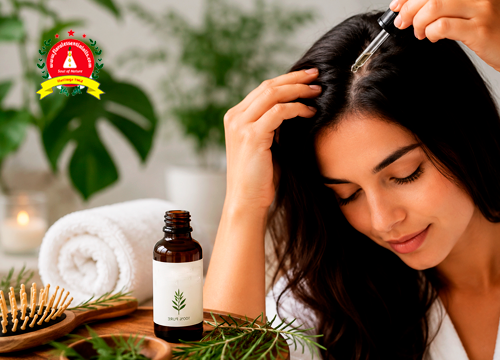
Woman applying essential oil to her scalp in a natural spa setting, illustrating a holistic approach to dandruff relief and scalp care.
Uncategorized

Essential Oils for Dandruff

The Natural Solution for Itchy, Flaky Scalp Relief

Essential Oils for Dandruff: The Natural Solution for Itchy, Flaky Scalp Relief

Dandruff is one of those annoying scalp issues that never seems to fully go away. It is not contagious or serious, but the itching and flaking can still be frustrating to deal with every day.

The good news: essential oils for dandruff are backed by real research, not just folk remedies. Several natural oils have been studied for their ability to calm an itchy scalp and reduce flaking.

In this guide, we will walk through which oils actually work, what causes dandruff in the first place, and how to use these oils safely at home.

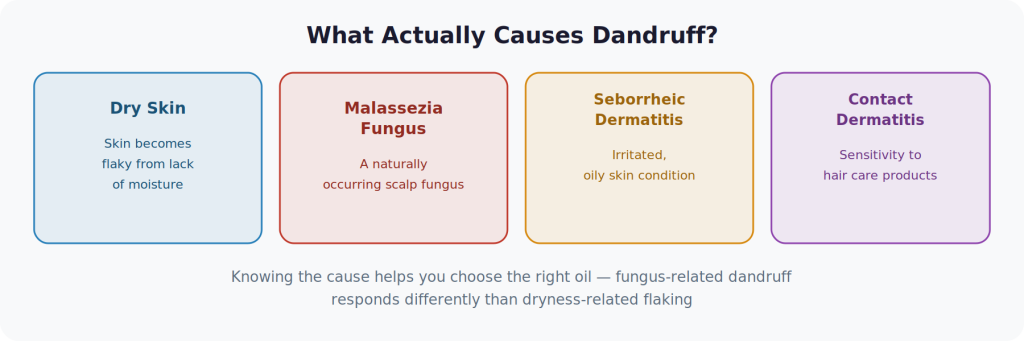
What Causes Dandruff in the First Place?

According to Healthline, dandruff is a chronic, noninflammatory scalp condition that shows up as flaking skin, scaling, and an itchy scalp.

It can be caused by a few different things, and knowing the cause can help you pick the right oil.

Infographic 1: The Four Main Causes of Dandruff

  • Dry skin — flaking from a lack of moisture
  • Malassezia fungus — a naturally occurring fungus on the scalp
  • Seborrheic dermatitis — an irritated, oily skin condition
  • Contact dermatitis — sensitivity to certain hair care products

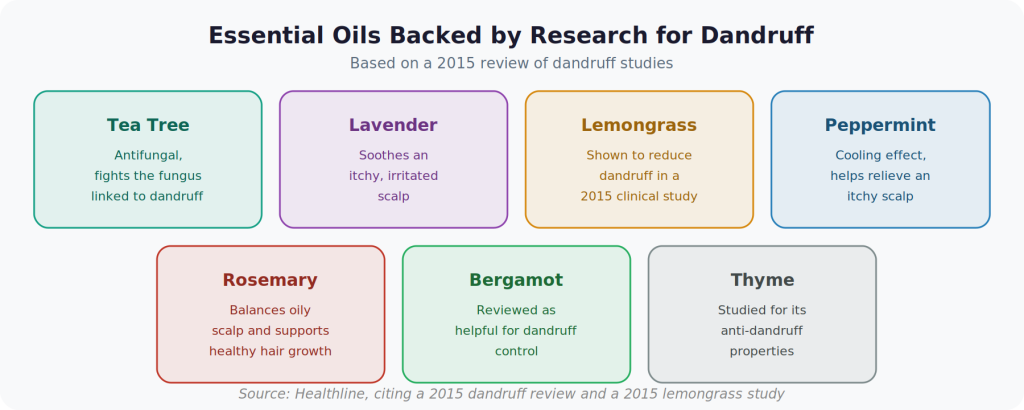
Best Essential Oils for Dandruff, According to Research

A 2015 review of studies (cited by Healthline) identified several essential oils with real potential to help manage dandruff. A separate PubMed-indexed study also reviewed plant extracts and essential oils for their role in dandruff prevention and treatment.

Infographic 2: Essential Oils Backed by Research for Dandruff

Tea Tree Oil — Antifungal Power

Tea tree oil is one of the most studied options here, largely because of its antifungal and antimicrobial properties. Since one major cause of dandruff is a naturally occurring scalp fungus, this makes tea tree oil a strong first choice. You can browse our Tea Tree Essential Oil (AAA Grade) if you want a pure option to try at home.

Lavender Oil — Calms an Itchy Scalp

Lavender essential oil for dandruff is popular for a simple reason: it soothes irritation. While it is better known for relaxation and sleep, its calming effect also extends to irritated, itchy skin on the scalp. Take a look at our Lavender Natural Blend Essential Oil for a gentle option.

Lemongrass Oil — Clinically Tested

A 2015 study found that an anti-dandruff hair tonic containing lemongrass oil significantly reduced dandruff in participants. This is one of the few essential oils with a direct clinical trial behind it for this specific use.

Peppermint Oil — Cooling Relief

Peppermint oil is well known for its cooling sensation on the scalp, which can bring quick relief from itchiness while also helping with flaking. Our Peppermint Products range includes options suited for scalp and hair care use.

Rosemary and Bergamot

Rosemary oil is often used to balance an oily scalp and support healthier hair overall, while bergamot has also been included in dandruff research reviews. Both pair well with the oils above in a blended scalp treatment.

How to Use Essential Oils for Dandruff

Essential oils should never be applied directly to the scalp without dilution. Here are three simple, safe ways to use them.

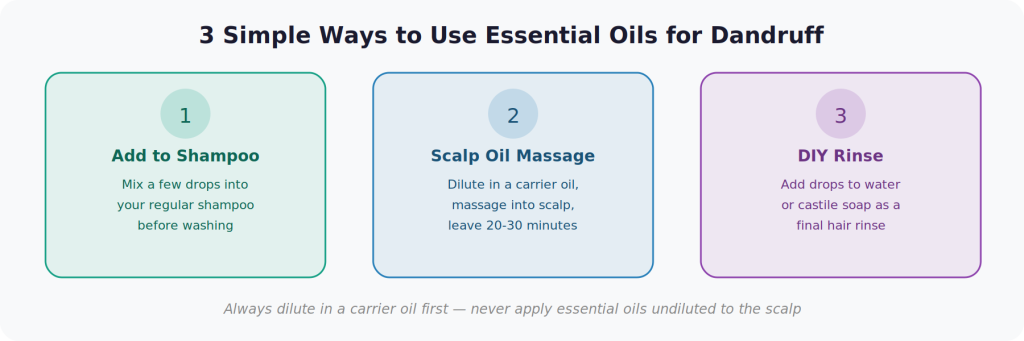
Infographic 3: 3 Simple Ways to Use Essential Oils for Dandruff

1. Add a Few Drops to Your Shampoo

The easiest method. Add 3 to 5 drops of your chosen essential oil to your regular shampoo right before washing.

2. Scalp Oil Massage With a Carrier Oil

Mix several drops of essential oil into a carrier oil for dandruff, such as jojoba or sweet almond oil. Massage into the scalp and leave on for 20 to 30 minutes before rinsing. You can find quality carrier oils in our Carrier Oils collection.

3. DIY Rinse

Add a few drops to water, or mix into a mild castile soap base, and use as a final rinse after shampooing.

Always dilute essential oils in a carrier oil before applying them to the scalp. Undiluted application can cause irritation, especially on sensitive skin.

A Note on Safety

Essential oils are generally safe when used correctly, but a few precautions are worth keeping in mind.

  • Always dilute essential oils in a carrier oil before applying to skin
  • Do a patch test first, especially if you have sensitive skin
  • Stop use if you notice stinging, itching, or redness

As Healthline notes, even mainstream medical institutions acknowledge tea tree oil as a reasonable alternative option for dandruff, though more research is still needed. If you have an underlying skin condition or are pregnant, it is worth checking with a doctor or dermatologist first.

Frequently Asked Questions

Does tea tree oil help with dandruff?

Yes. Tea tree oil has antifungal and antimicrobial properties that can help address dandruff caused by Malassezia fungus, one of the most common underlying causes.

What is the best essential oil for an itchy scalp?

Lavender and peppermint are both commonly used for itchy scalp relief — lavender for its calming, anti-irritation effect, and peppermint for its cooling sensation.

What carrier oil is best for dandruff?

Jojoba oil and sweet almond oil are popular choices because they are lightweight and absorb well, making them effective for diluting essential oils before a scalp massage.

Can I add essential oils directly to my shampoo?

Yes, adding 3 to 5 drops of essential oil to your regular shampoo before washing is one of the simplest and safest ways to use them for dandruff.

Are essential oils good for both oily and dry scalp dandruff?

Different oils suit different scalp types. Tea tree oil works well for fungus-related dandruff regardless of scalp type, while rosemary oil is often preferred for oily scalps and lavender for dry, irritated scalps.

The Bottom Line

Essential oils for dandruff are not just a trend — they are backed by genuine research into their antifungal, anti-inflammatory, and soothing properties.

Tea tree, lavender, lemongrass, and peppermint each offer something different, and many people find the best results by combining a couple of these oils into one routine.

The key is consistency and proper dilution. Give any new routine a few weeks before judging whether it is working, and stop if your skin reacts.

Looking for pure, high-quality oils to build your own dandruff routine? Explore our full range of Essential Oils and Carrier Oils, sourced and tested for purity.
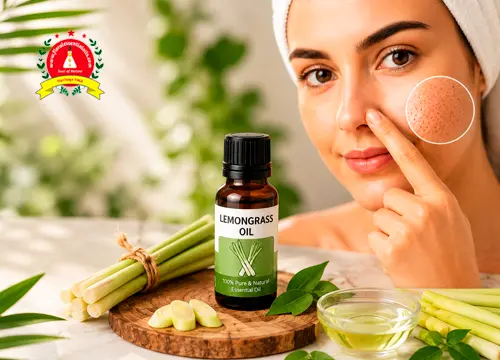
Woman applying lemongrass oil skincare treatment for blackheads with lemongrass stalks and essential oil bottle in a natural beauty setting
Uncategorized

Lemongrass Oil Benefits for Blackheads: Natural Solutions That Actually Work

Lemongrass essential oil has been gaining serious attention in the world of natural skincare. Known for its fresh, citrusy scent and powerful therapeutic properties, this oil does far more than smell good.

If you are searching for a natural way to tackle blackheads, oily skin, pimples, or clogged pores – lemongrass oil benefits may be exactly what you are looking for. In this guide, you will learn how this remarkable essential oil works, how to use it safely, and how it compares with other popular oils for skin.

Let us explore everything you need to know.

What Is Lemongrass Essential Oil?

Lemongrass essential oil is steam-distilled from the leaves and stalks of Cymbopogon flexuosus or Cymbopogon citratus — tall tropical grasses native to South and Southeast Asia. India is one of the world’s largest producers of lemongrass oil.

The oil is rich in active compounds, primarily:

  • Citral — a powerful antibacterial and antifungal agent
  • Geraniol — known for skin-healing properties
  • Limonene — a natural astringent that tightens pores
  • Myrcene — an anti-inflammatory compound

These compounds work together to make lemongrass one of the most effective essential oils for oily skin, pimples, and blackhead-prone skin.

Lemongrass Oil Benefits for Skin: Why It Works on Blackheads

Blackheads form when pores become clogged with excess sebum (skin oil) and dead skin cells. The clog oxidises on contact with air, turning dark. To remove blackheads naturally, you need an oil that:

  1. Controls excess oil production
  2. Kills acne-causing bacteria
  3. Unclogs and tightens pores
  4. Reduces inflammation

Lemongrass essential oil addresses all four of these needs. Here is a detailed look at the key lemongrass essential oil benefits for skin:

1. Anti-Bacterial Action

The high citral content in lemongrass oil effectively kills Cutibacterium acnes — the primary bacteria responsible for blackheads, pimples, and acne. A peer-reviewed study published in PubMed Central by the National Institutes of Health (NIH) confirms that essential oils containing citral and geraniol demonstrate significant antibacterial activity against acne-causing organisms.

2. Natural Astringent for Pores

Lemongrass oil acts as a natural astringent. It tightens enlarged pores and reduces the accumulation of oil and debris inside them. This makes it highly effective as a face oil for blackheads and as one of the best essential oils for pore reduction.

3. Sebum Regulation

One of the most valuable lemongrass oil benefits on skin is its ability to regulate sebum production. When applied regularly and correctly, it tells overactive oil glands to slow down — reducing the root cause of blackheads.

4. Anti-Inflammatory Properties

Lemongrass oil soothes redness and inflammation around blackheads and pimples. This is particularly helpful for those dealing with oil for pimples and essential oils for zit concerns alongside blackhead removal.

Lemongrass Oil Hair Benefits

Beyond skin, lemongrass oil is equally impressive for hair and scalp health. Here are the key lemongrass oil hair benefits:

  • Reduces dandruff — Its antifungal properties fight the Malassezia fungus that causes dandruff
  • Strengthens hair follicles — Improves scalp circulation and nourishes roots
  • Controls scalp oiliness — Balances excess sebum on the scalp
  • Adds shine — Leaves hair looking healthier and more vibrant
  • Reduces hair fall — Strengthens follicles and reduces breakage

How to use it for hair: Mix 5 drops of lemongrass essential oil with 2 tablespoons of carrier oil (coconut or jojoba). Massage into the scalp. Leave for 30 minutes, then shampoo as normal.

Lemongrass Essential Oil Benefits for Aromatherapy and Diffuser

Lemongrass oil is one of the most popular choices for aromatherapy. The lemongrass essential oil benefits diffuser uses are both mental and physical:

Lemongrass Diffuser Oil Benefits

  • Relieves stress and anxiety — The fresh citrus aroma calms the nervous system
  • Boosts mental clarity and focus — Helps clear mental fog
  • Purifies indoor air — Its antibacterial properties reduce airborne pathogens
  • Uplifts mood — Used in aromatherapy sessions for emotional balance
  • Aids sleep — When blended with lavender, promotes deeper relaxation

How to use a diffuser: Add 4–6 drops of lemongrass essential oil to your diffuser with water. Diffuse for 30–60 minutes at a time.

The aromatherapy lemongrass oil benefits also extend to muscle relaxation and respiratory support when inhaled in steam.

Lemongrass Essential Oil Spiritual Benefits

Lemongrass has long been used in traditional practices across Asia and South America for its spiritual and energetic properties. The lemongrass essential oil spiritual benefits include:

  • Cleansing negative energy — Used in aromatherapy rituals to purify spaces
  • Promoting mental clarity — Helps clear overthinking and emotional clutter
  • Grounding and centering — Its earthy-citrus scent anchors scattered thoughts
  • Enhancing meditation — Diffused during meditation for deeper focus

These benefits make lemongrass oil a valuable addition to wellness and mindfulness routines beyond just skincare.

How to Use Lemongrass Oil for Blackheads: Step-by-Step

Using lemongrass oil for blackheads is straightforward when done correctly. Always dilute before applying to skin.

Safe Dilution for Face

Skin TypeLemongrass OilCarrier Oil
Normal skin2 drops1 teaspoon (5 ml)
Oily/acne-prone2–3 drops1 teaspoon (5 ml)
Sensitive skin1 drop1 teaspoon (5 ml)

Best carrier oils to pair with lemongrass for blackheads:

  • Jojoba oil (most recommended — non-comedogenic, regulates sebum)
  • Sweet almond oil (soothing, light texture)
  • Rosehip seed oil (brightening, anti-scarring)

Always do a patch test first. Apply diluted oil to your inner wrist. Wait 24 hours. If no reaction occurs, proceed with facial use.

DIY Essential Oil Recipes for Blackheads Using Lemongrass

Recipe 1: Lemongrass Blackhead Serum (Daily Treatment)

Ingredients:

  • 10 ml jojoba oil
  • 3 drops lemongrass essential oil
  • 2 drops tea tree essential oil
  • 2 drops lavender essential oil

Method:

  1. Combine all oils in a dark glass dropper bottle.
  2. Shake gently before each use.
  3. After cleansing, apply 3–4 drops to blackhead-prone areas.
  4. Massage gently in circular motions.
  5. Leave overnight. Rinse in the morning.

This is one of the most effective essential oil recipes for blackheads blends for oily, congested skin.

Recipe 2: Lemongrass Pore-Tightening Toner

Ingredients:

  • 50 ml distilled water or rose water
  • 4 drops lemongrass essential oil
  • 2 drops geranium essential oil
  • 1 teaspoon witch hazel (optional, natural astringent)

Method:

  1. Combine all ingredients in a dark glass spray bottle.
  2. Shake well before each use.
  3. Spritz onto cleansed face morning and evening.
  4. Allow to dry naturally before moisturising.

This toner is excellent for essential oils for minimising pores and controlling daytime oiliness.

Recipe 3: Lemongrass Deep-Cleansing Face Scrub

Ingredients:

  • 2 tablespoons fine sugar or ground oats
  • 1 tablespoon jojoba oil
  • 3 drops lemongrass essential oil
  • 2 drops lemon essential oil

Method:

  1. Mix all ingredients into a paste.
  2. Apply to a damp face in gentle circular motions.
  3. Focus on the nose, chin, and forehead.
  4. Rinse thoroughly with lukewarm water.
  5. Use twice a week.

This scrub acts as a powerful homemade remedy for blackheads and a gentle cleansing treatment for pore buildup.

Lemongrass Oil vs Other Popular Oils for Blackheads

OilBest ForKey Benefit
Lemongrass oilOily skin, pores, blackheadsAntibacterial + astringent
Tea tree oilActive pimples, bacteriaStrong antimicrobial
Jojoba oilSebum regulation, daily useMimics skin sebum
Lavender oilSensitive skin, inflammationAnti-inflammatory + calming
Castor oilDeep pore cleansingDraws out impurities

Lemongrass is uniquely placed because it combines antibacterial, astringent, and sebum-regulating actions in one oil — making it a true multitasker for acne-prone skin.

You can explore our full range of Natural Essential Oils and Carrier Oils to build your complete natural skincare routine.

Safety Guidelines for Using Lemongrass Essential Oil

Follow these rules every time you use lemongrass oil on your skin or hair:

  • Always dilute — Never apply undiluted essential oil directly to skin
  • Patch test first — Test on the inner wrist before facial application
  • Photosensitivity — Lemongrass oil may increase sun sensitivity. Apply at night, or use SPF during the day
  • Avoid eyes and mouth — Keep away from sensitive mucous membranes
  • Pregnant or breastfeeding? — Consult your doctor before use
  • Children under 6 — Not recommended for young children
  • Store properly — Keep in a dark glass bottle away from heat and light

Frequently Asked Questions (FAQs)

1. What are the main lemongrass essential oil benefits for skin?

Lemongrass essential oil offers several key skin benefits. It kills acne-causing bacteria, controls excess oil production, tightens enlarged pores, and reduces inflammation. These properties make it particularly effective for treating blackheads, pimples, and oily skin. Regular use also helps brighten and even out skin tone.

2. Can I use lemongrass oil directly on blackheads without diluting?

No. Lemongrass oil must always be diluted before applying to skin. Undiluted essential oils are highly concentrated and can cause irritation, redness, or sensitisation. Mix 2–3 drops with 1 teaspoon of jojoba or sweet almond oil before applying to the face.

3. How long does it take for lemongrass oil to improve blackheads?

With consistent daily use (diluted in a serum or toner), most people notice visible improvement in pore clarity and oiliness within 3 to 5 weeks. For best results, combine lemongrass oil with a regular cleansing routine and gentle weekly exfoliation.

4. What are the benefits of using lemongrass oil in a diffuser?

Lemongrass oil in a diffuser purifies indoor air, reduces stress, boosts focus, and uplifts mood. It is widely used in aromatherapy for mental clarity and emotional balance. Diffuse 4–6 drops for 30–60 minutes. It blends beautifully with lavender, eucalyptus, and peppermint oils.

5. Is lemongrass oil good for hair and scalp as well as skin?

Yes. Lemongrass oil is excellent for hair health. It reduces dandruff, controls scalp oiliness, strengthens follicles, and adds shine. Mix 5 drops with 2 tablespoons of coconut oil, massage into the scalp, and rinse after 30 minutes for best results.

Final Thoughts: Make Lemongrass Oil Part of Your Natural Routine

The lemongrass oil benefits for skin, hair, aromatherapy, and overall wellness are truly impressive. From targeting stubborn blackheads and oily skin to uplifting your mood in a diffuser, this oil is a versatile and powerful addition to any natural health routine.

The key is consistency, correct dilution, and using a high-quality, pure oil that retains all its active compounds.

Woman applying tea tree oil underarm care treatment with essential oil bottle and natural botanical ingredients for freshness and skin wellness
Uncategorized

How to Use Tea Tree Oil for Underarms: The Ultimate Easy Guide

Are you tired of strong chemical deodorants? Do you want a natural, effective solution for underarm odour or dark underarms? Tea tree oil for underarms is one of the most searched natural remedies today and for good reason.

This guide covers everything you need to know. You will learn what tea tree oil is, why it works, how to dilute it safely, and the best recipes you can make at home. Whether you are dealing with sweat, odour, or dark underarm skin, this guide has the answer.

Let’s get started.

What Is Tea Tree Oil and Why Does It Work?

Tea tree oil (also called Melaleuca alternifolia oil) is a powerful essential oil from Australia. It is steam-distilled from the leaves of the Melaleuca tree. The oil has been used for centuries by Australian Aboriginal communities for its healing properties.

So, what is tea tree oil good for? Its main active compound is terpinen-4-ol. This compound gives the oil its strong antimicrobial and anti-inflammatory properties.

Here is why tea tree oil works so well on underarms:

  • Kills odour-causing bacteria — Underarm odour is caused by bacteria breaking down sweat. Tea tree oil destroys those bacteria naturally.
  • Controls excess sweat — It has mild astringent properties that help reduce sweating.
  • Lightens dark underarms — Its antibacterial and skin-renewing properties help reduce pigmentation over time.
  • Reduces irritation — It soothes razor burn, ingrown hairs, and skin sensitivity under the arms.

Tea tree oil has demonstrated antimicrobial effects in clinical studies and is widely used in topical applications.

Is Tea Tree Oil Good for Underarms? What Science Says

Yes. Research supports the use of tea tree oil as a natural alternative to chemical-based deodorants.

A key reason underarms smell is the presence of Corynebacterium and Staphylococcus bacteria. Tea tree oil’s antimicrobial compounds have been shown to inhibit these bacterial strains effectively.

Additionally, many commercial deodorants contain aluminium salts, parabens, and synthetic fragrances. These ingredients can irritate sensitive underarm skin. Tea tree oil is a clean, natural substitute – especially when diluted correctly.

How to Dilute Tea Tree Oil for Underarms (Very Important Step)

Never apply undiluted tea tree oil directly to your skin. Pure essential oils are highly concentrated. Applying them directly can cause redness, burning, or irritation.

Safe Dilution Ratios

Skin TypeTea Tree OilCarrier Oil
Normal skin2–3 drops1 teaspoon (5 ml)
Sensitive skin1 drop1 teaspoon (5 ml)
Dark underarms (treatment)3–4 drops1 tablespoon (15 ml)

Best carrier oils for underarms:

Always do a patch test first. Apply a small amount to your inner wrist. Wait 24 hours. If no irritation appears, proceed with use.

Tea Tree Oil and Coconut Oil for Underarms: The Most Popular Recipe

This combination is the most popular and the most effective – home remedy for underarm odour and dark skin.

Why it works: Coconut oil contains lauric acid, which also kills odour-causing bacteria. Together with tea tree oil, it creates a powerful natural deodorant.

Simple Coconut Oil and Tea Tree Oil Deodorant Recipe

Ingredients:

  • 2 tablespoons organic coconut oil
  • 10 drops tea tree essential oil
  • 5 drops lavender essential oil (optional, for fragrance)

Method:

  1. Melt coconut oil slightly if solid.
  2. Add tea tree oil and lavender oil.
  3. Stir well and pour into a small glass jar.
  4. Let it cool and solidify.
  5. Apply a small amount under each arm using clean fingertips.

Use it daily after bathing. Store in a cool place.

How to Use Tea Tree Oil for Dark Underarms

Dark underarms are a common concern. They are usually caused by friction, shaving, deodorant buildup, or hormonal changes. Tea tree oil helps address all these causes over time.

Step-by-Step Method for Lightening Dark Underarms

Step 1: Cleanse your underarms well with a gentle soap.

Step 2: Mix your solution.

  • 3 drops tea tree oil
  • 1 teaspoon coconut or jojoba oil
  • (Optional) 1 teaspoon aloe vera gel for extra soothing

Step 3: Apply gently with clean fingertips or a cotton pad.

Step 4: Leave on for 15–20 minutes, then rinse off.

Step 5: Moisturise with a light carrier oil.

Repeat this routine 3–4 times per week. Most people see a visible improvement in skin tone within 4–6 weeks of regular use.

Pro tip: Apply at night before bed. Your skin absorbs the oil better while you sleep. Always use sunscreen on exposed areas during the day.

How to Use Tea Tree Oil for Underarm Odour: Daily Routine

If underarm odour is your main concern, here is a simple daily routine.

Morning Routine

  1. Shower as normal.
  2. Pat underarms dry completely.
  3. Mix 2 drops of tea tree oil with 1 teaspoon of water in a small spray bottle.
  4. Spritz under each arm.
  5. Let dry before dressing.

DIY Tea Tree Oil Spray Deodorant Recipe

Ingredients:

  • 50 ml distilled water
  • 10 drops tea tree oil
  • 5 drops peppermint oil (optional, refreshing scent)
  • 5 drops lemon essential oil (optional, brightening)

Method:

  1. Combine all ingredients in a dark glass spray bottle.
  2. Shake well before each use.
  3. Spray 2–3 times under each arm.

This natural spray is free from aluminium, parabens, and synthetic perfumes. It is safe for daily use on most skin types.

For more ideas on managing sweat naturally, explore our guide on 11 Best Essential Oils for Sweating.

Tea Tree Oil Benefits for Underarms: Summary

Here is a quick recap of tea tree oil benefits for underarms:

  • Kills odour-causing bacteria naturally and effectively
  • Reduces excess sweating with its mild astringent effect
  • Lightens dark underarm skin with regular use
  • Soothes irritation from shaving and waxing
  • Prevents ingrown hairs and folliculitis
  • Free from harmful chemicals found in commercial products
  • Affordable and versatile — one bottle serves many uses

These tea tree oil uses make it one of the most practical essential oils you can own. It is no surprise that uses for melaleuca oil is one of the most searched wellness topics globally.

Best Tea Tree Oil for Underarms: What to Look For

Not all tea tree oils are equal. The quality of the oil matters a great deal for results.

When choosing the best tea tree oil for underarms, look for:

  • 100% pure, undiluted oil — No fillers or synthetic additives
  • Steam-distilled — Preserves active compounds fully
  • Terpinen-4-ol content above 30% — This is the key active ingredient
  • GC/MS tested — Guarantees purity and composition
  • Reputable source — Buy from certified manufacturers

At Floral Essential Oils, our Tea Tree Oil is 100% pure, steam-distilled, and GC/MS tested. We have supplied premium essential oils to global customers since 1962. Our oils are manufactured in our own plant in Kannauj, India — the essential oil capital of the world.

Safety Tips: What You Must Know Before Using Tea Tree Oil

Tea tree oil is safe when used correctly. Follow these guidelines:

  • Always dilute — Never apply neat oil to skin
  • Avoid eyes and mucous membranes
  • Keep away from children under 6 years
  • Do not ingest — Tea tree oil is for external use only
  • Pregnant or breastfeeding? — Consult your doctor first
  • Skin allergy? — Always patch test before regular use

If irritation occurs, wash the area with mild soap and water. Discontinue use if the reaction continues.

Frequently Asked Questions (FAQs)

1. Can I apply tea tree oil directly to my underarms?

No. You must always dilute tea tree oil with a carrier oil before applying it to your skin. Undiluted tea tree oil can cause irritation, redness, or burning especially on sensitive underarm skin. A safe dilution is 2–3 drops in 1 teaspoon of coconut or jojoba oil.

2. How long does it take for tea tree oil to lighten dark underarms?

Results vary by skin type and consistency of use. Most people notice a visible improvement in skin tone within 4 to 6 weeks of regular application (3–4 times per week). Combine it with proper exfoliation and moisturising for faster results.

3. Can I use tea tree oil as a deodorant every day?

Yes, with proper dilution. A diluted tea tree oil spray or coconut oil blend can be used daily under the arms. It is a safe, natural alternative to chemical deodorants for most people.

4. Is tea tree oil safe for sensitive underarm skin?

Yes, but use a lower concentration. For sensitive skin, use only 1 drop of tea tree oil per teaspoon of carrier oil. Always patch tests first. If any irritation occurs, stop using it immediately.

5. What is the difference between tea tree oil and melaleuca oil?

They are the same oil. Tea tree oil and melaleuca oil both refer to the essential oil extracted from Melaleuca alternifolia. “Melaleuca” is simply the botanical name. The terms are often used interchangeably.

Final Thoughts: Start Your Natural Underarm Routine Today

Tea tree oil for underarms is one of the simplest, most affordable natural remedies available. Whether you want to reduce odour, lighten dark skin, or replace chemical deodorants, it delivers real results.

The key is consistent use and proper dilution. Start with the coconut oil blend recipe above, and give it 4–6 weeks to see the difference.

Uncategorized

Does Tea Tree Oil for Skin Really Shrink Pores? Here’s What Actually Works

If you’ve ever Googled “does tea tree oil shrink pores,” you’re not alone. Millions of people search for natural, affordable ways to tighten their skin and reduce the appearance of enlarged pores. Tea tree oil is one of the most talked-about ingredients in natural skincare but does it actually deliver?

The short answer: yes, and no. Tea tree oil doesn’t physically shrink pores permanently. However, it can make them appear smaller by tackling the root causes of enlarged pores. This includes excess oil, clogged debris, inflammation, and acne-causing bacteria.

Let’s dig into the science, the benefits, and exactly how to use tea tree oil for pores the right way.

What Is Tea Tree Oil, Exactly?

Tea tree oil is a natural essential oil extracted from the leaves of Melaleuca alternifolia, a plant native to Australia. Aboriginal Australians have used it for centuries as a traditional remedy. Today, it’s one of the most widely used ingredients in skincare products around the world.

What makes tea tree essential oil so powerful? It’s loaded with a compound called terpinen-4-ol. This is the active ingredient responsible for most of its antimicrobial, antibacterial, and anti-inflammatory effects.

Here’s what tea tree oil is used for in modern skincare:

  • Fighting acne and breakouts
  • Reducing skin redness and inflammation
  • Controlling excess sebum (oil) production
  • Managing skin fungus and infections
  • Soothing irritated or sensitive skin

Why Do Pores Appear Enlarged in the First Place?

Before we answer whether tea tree oil helps pores, it helps to understand what causes them to look big. Pores are tiny openings in the skin. Each one connects to a hair follicle and a sebaceous (oil) gland underneath.

Pores appear larger when:

  • Excess sebum stretches the pore walls
  • Dead skin cells and debris clog and widen pores
  • Inflammation or acne causes swelling around the pore
  • Loss of skin elasticity from sun damage or aging
  • Genetics – some skin types simply have larger pores

This is where tea tree oil for skin becomes relevant. It works on several of these causes at once.

Does Tea Tree Oil Shrink Pores? Here’s the Science

Technically, you cannot permanently shrink a pore. Pore size is largely determined by genetics and skin type. However, you can significantly reduce their appearance and that’s where tea tree oil shines.

How Tea Tree Oil Reduces Visible Pore Size

1. It controls excess oil production. Oily skin is one of the main reasons pores look enlarged. Tea tree oil has natural astringent properties that help regulate sebum production. Less oil means pores aren’t being stretched open by excess grease.

2. It kills acne-causing bacteria. Cutibacterium acnes (formerly P. acnes) is the main bacterium behind breakouts. When bacteria colonise a pore, inflammation follows – and inflamed pores look much bigger. Tea tree oil’s antibacterial action targets this bacteria directly, helping reduce pimples and the swollen pores that come with them.

3. It reduces inflammation. Terpinen-4-ol, the key active compound in tea tree oil, has well-documented anti-inflammatory properties. By calming the skin around the pore, pores naturally appear tighter and less prominent.

4. It keeps pores clear. When pores are clogged with oil and dead skin, they stretch and become visible. Tea tree oil’s antimicrobial properties help keep the inside of pores clean and clear, which makes them look smaller.

Several studies back this up. Research published in a peer-reviewed journal found that tea tree oil was effective in treating mild-to-moderate acne lesions, which indirectly contributes to visibly smaller-looking pores.

Tea Tree Oil Benefits for Skin: Beyond Just Pores

Tea tree oil does far more than reduce the appearance of enlarged pores. Here’s a look at the full range of benefits of tea tree oil for skin:

1. Fights Acne and Pimples

This is probably what most people know it for. Tea tree oil for pimples works by killing the bacteria that cause breakouts. Multiple studies confirm that a 5% tea tree oil gel can reduce acne lesions significantly. It’s gentler than benzoyl peroxide and causes less dryness and irritation for many people.

2. Reduces Oiliness

Because tea tree oil is a natural astringent, it helps tone and tighten the skin’s surface. This is especially useful for people with oily or combination skin who struggle with midday shine and greasy texture.

3. Soothes Inflammation and Redness

Tea tree oil is a natural anti-inflammatory. If your skin looks red, irritated, or puffy – especially around breakout areas diluted tea tree oil can calm things down quickly.

4. Treats Skin Fungus

One of the lesser-known uses for tea tree oil is fighting fungal skin conditions. Tea tree oil for skin fungus is effective due to its strong antifungal compounds, making it useful for conditions like athlete’s foot and ringworm when applied topically.

5. Helps with Skin Tags

Many people use tea tree oil for skin tags as a natural, non-invasive option. While clinical evidence is limited, anecdotal reports suggest that consistent topical application can cause skin tags to dry out and fall off over time.

6. Supports Wound Healing

Small wounds and minor cuts may heal faster with diluted tea tree oil. Its antibacterial effect helps prevent infection while supporting the natural healing process.

7. Controls Dandruff and Scalp Conditions

Tea tree oil benefits extend beyond facial skin. A 5% concentration has been shown to reduce dandruff by around 41% over four weeks, making it a popular ingredient in scalp care products.

How to Use Tea Tree Oil for Pores and Pimples

The most important rule: always dilute tea tree oil before applying it to skin. It is a highly concentrated essential oil. Using it undiluted can cause redness, burning, and irritation.

Step-by-Step Guide: Tea Tree Oil for Skin Care

Step 1: Choose a carrier oil. The best options are jojoba oil, rosehip oil, or argan oil. These are non-comedogenic, meaning they won’t clog pores. Avoid coconut oil – it can cause breakouts in some skin types.

Step 2: Mix the ratio correctly. A safe dilution ratio is 1 part tea tree oil to 9–10 parts carrier oil. For example, add 2–3 drops of tea tree essential oil to 1 teaspoon of jojoba oil.

Step 3: Patch test first. Apply the diluted mixture to a small area on your inner arm. Wait 24 hours. If there’s no redness or irritation, it’s safe to use on your face.

Step 4: Apply to clean skin. Wash your face with a gentle cleanser first. Pat dry. Then apply the diluted tea tree oil to affected areas using a cotton pad or your fingertips.

Step 5: Use once or twice daily. For best results with pores and acne, use it once in the morning and once at night. It works well as a spot treatment for pimples, or as part of your overall facial routine.

Step 6: Be consistent. Results don’t happen overnight. Give it at least 4–8 weeks of consistent use before judging the results.

Is Tea Tree Oil Good for Acne? What Research Says

The short answer: yes, it is. Studies consistently support the use of tea tree oil for acne treatment, particularly for mild to moderate breakouts.

One frequently cited study compared a 5% tea tree oil gel to a 5% benzoyl peroxide lotion in treating acne. Tea tree oil worked more slowly, but it caused significantly fewer side effects like dryness, flaking, and irritation.

Curology, a well-known skincare platform, notes that tea tree oil is a broad-spectrum antimicrobial, meaning it fights bacterial, viral, fungal, and even protozoal infections. For acne specifically, this means it targets the root cause rather than just masking symptoms.

So if you’re asking “is tea tree oil good for acne?”  Yes, particularly if you’re looking for a natural, gentler alternative to harsher chemical treatments.

Does Tea Tree Oil Help with Skin Whitening?

This is a popular question, especially in South Asian markets. Tea tree oil for skin whitening is not its primary function, and it does not act as a bleaching agent. However, it can help improve skin tone over time by:

  • Reducing post-acne dark spots through its anti-inflammatory action
  • Preventing new breakouts that lead to hyperpigmentation
  • Controlling oiliness that can make skin look dull

For brighter skin, combine tea tree oil with a vitamin C serum or rosehip oil, both of which have more direct brightening effects.

Diluted Tea Tree Oil for Skin: Safety Tips

Tea tree oil is generally safe for topical use when diluted properly. However, keep these safety tips in mind:

  • Never swallow tea tree oil. It is toxic when ingested.
  • Keep it away from eyes. If contact occurs, rinse immediately with water.
  • Avoid use on broken or severely irritated skin. This can increase absorption and cause irritation.
  • Do a patch test before first use, especially if you have sensitive skin.
  • Pregnant or breastfeeding? Consult your doctor before using essential oils.
  • Children under 6 years old should not use tea tree oil without medical guidance.

If you experience persistent redness, stinging, or a rash, discontinue use and consult a dermatologist.

Best Essential Oils to Pair with Tea Tree Oil for Open Pores

Tea tree oil works even better when combined with other pore-minimising essential oils. Some excellent options include:

  • Lavender oil — Soothes inflammation and complements tea tree’s antibacterial action
  • Frankincense oil — Promotes skin cell regeneration and helps tighten skin
  • Lemon oil — Natural astringent that can reduce visible pore size (use only at night as it’s photosensitive)
  • Geranium oil — Balances sebum production and tones the skin

Frequently Asked Questions (FAQ)

Q1: Does tea tree oil shrink pores permanently?

No, pore size cannot be permanently reduced. However, tea tree oil can make pores appear significantly smaller by clearing out buildup, controlling oil, and reducing inflammation. Consistent use gives the best visual results.

Q2: How long does it take for tea tree oil to work on pores?

Most people start to see improvement in skin texture and oiliness within 2–4 weeks. For noticeable improvement in acne and pore appearance, allow 6–8 weeks of consistent daily use.

Q3: Can I apply tea tree oil directly to my skin?

No, you should never apply undiluted tea tree oil directly to skin. Always mix it with a carrier oil first (1–2 drops per teaspoon of carrier oil) to avoid irritation, burning, or allergic reactions.

Q4: Is tea tree oil good for all skin types?

Tea tree oil is most beneficial for oily, acne-prone, and combination skin types. People with dry or sensitive skin should use it with extra caution and at a lower dilution ratio. It is generally not recommended for very dry or eczema-prone skin without dermatologist guidance.

Q5: What is tea tree oil used for besides pores?

Tea tree oil has a wide range of uses including treating pimples and acne, controlling dandruff, fighting skin fungus, soothing insect bites, supporting wound healing, and managing skin tags. It’s one of the most versatile natural essential oils available.

The Bottom Line: Should You Try Tea Tree Oil for Pores?

Tea tree oil won’t permanently change your pore size – no product can. But it is genuinely effective at making pores look smaller, clearer, and less noticeable. It does this by controlling oil, killing bacteria, calming inflammation, and keeping pores clean.

For anyone dealing with oily skin, acne, or enlarged-looking pores, adding a quality, pure tea tree essential oil to your skincare routine is absolutely worth trying.

The key is to use it correctly – diluted, consistently, and alongside a good basic skincare routine.

Also, don’t miss our complete guide on the best essential oils to minimize open pores naturally for a full natural pore-care routine.

Uncategorized

Essential Oil Body Scrub: Exfoliate & Nourish Skin Naturally

Regular exfoliation is vital for healthy skin. An essential oil body scrub combines natural exfoliants (like sugar or salt) with nourishing oils and aromatic essential oils. The result is smoother, brighter skin without harsh chemicals. Instead of using synthetic scrubs, an essential oil scrub removes dead skin cells gently while delivering the therapeutic benefits of plant oils. This simple all-natural treatment can reveal a healthy glow, improve moisture retention, and even help prevent clogged pores.

Benefits of an Essential Oil Body Scrub

Using a body scrub has many skin benefits:

  • Removes dead skin cells. By buffing away dull surface cells, scrubs make skin feel smoother and appear more radiant.
  • Promotes cell turnover. Regular exfoliation stimulates skin renewal and can reduce the look of fine lines and blemishes over time.
  • Hydrates and nourishes. Natural scrubs often contain hydrating oils (coconut, almond, olive) that penetrate deeply. This helps dry, flaky skin become soft and supple.
  • Improves circulation. Massaging a scrub into your skin boosts blood flow. Better circulation brings nutrients to your skin and leaves you with a healthy, natural glow.
  • Unclogs pores and detoxifies. The mechanical action of scrubbing helps clear pores of dirt and oil, preventing acne and ingrown hairs.
  • Enhances relaxation. The rhythmic massage and pleasing aromas create a spa-like ritual. This can reduce stress and improve mood while you exfoliate.

These combined effects mean your moisturizers and serums will absorb better after you exfoliate. In other words, an essential oil body scrub can transform your body-care routine from dull to dazzling.

Why Use Essential Oils?

Essential oils make an ordinary scrub extraordinary. They add aroma for a spa-like experience and contribute skin benefits too. Many essential oils have antibacterial, anti-inflammatory, and antioxidant properties. For example, they can help calm redness, clear up blemishes, or even combat minor fungal or bacterial issues on the skin. One aromatherapy guide notes that “so many essential oils have antiviral, antifungal, anti-inflammatory, and antibacterial properties,” making them ideal for natural scrubs.

Moreover, the scent of essential oils provides aromatherapy benefits. Lavender or chamomile can soothe anxiety, while citrus or peppermint can uplift your mood. Because of this dual action – physical exfoliation plus aromatherapy, an essential oil scrub is both effective for skin and enjoyable to use.

For dilution and skin safety, these oils must be mixed into a carrier oil (like coconut or almond oil) before applying. Carrier oils themselves are very beneficial: for instance, coconut oil “is beneficial for dry and chapped skin” and our high-quality carrier oils are chosen for their skin-friendly properties.

Popular Essential Oils for Scrubs

Different essential oils add different benefits. Here are some favorites to consider:

  • Lavender (Lavandula angustifolia): Calming and gentle. It’s great for sensitive or irritated skin. Lavender oil has well-known antiseptic and anti-inflammatory effects. Add a few drops for a soothing scrub.
  • Peppermint (Mentha piperita): Invigorating and cooling. Peppermint oil gives a fresh, tingly sensation and helps stimulate circulation. We offer a high-grade Japanese Peppermint Oil that’s perfect for scrubs.
  • Lemon : Brightening and clarifying. Citrus oils (lemongrass, sweet orange, lemon) contain limonene, which can help even out skin tone and provide antioxidants. (For instance, see our Lemongrass Essential Oil.) Use citrus oils sparingly and not before sun exposure.
  • Tea Tree (Melaleuca alternifolia): Cleansing and antibacterial. Tea tree oil is often used to fight acne and remove impurities. (We carry pure Tea Tree Essential Oil in our catalog.)
  • Chamomile (Matricaria chamomilla): Gentle and soothing. Chamomile oil is anti-inflammatory and great for sensitive or inflamed skin.
  • Rosemary or Eucalyptus: Refreshing and clarifying. These herb oils can help open pores and clear congestion.
  • Rose Geranium : Luxurious and hydrating. Rose oils are moisturizing and add a floral note.

You can use one essential oil or blend a couple. Typical use is about 5–10 drops of essential oil per half cup of scrub base. Always start with a small amount – a little goes a long way!

DIY Essential Oil Body Scrub Recipes

Making your own scrub at home is simple. Here are a few easy recipes:

  • Basic Sugar Scrub: 1 cup white sugar + ½ cup coconut oil + 10 drops lavender (or your favorite) essential oil. Mix until paste-like.
  • Coffee Invigorating Scrub: 1 cup finely ground coffee + ½ cup coconut oil + ½ cup brown sugar + 8 drops peppermint oil. This smells great and can help improve circulation.
  • Herbal Oat Scrub: 1 cup rolled oats (ground) + ½ cup olive oil + 1 tbsp dried chamomile + 1 tbsp dried lavender. Very gentle; great for sensitive skin.
  • Lemon-Sugar Glow Scrub: 1 cup sugar + ½ cup sweet almond oil + 8 drops lemon oil + 5 drops eucalyptus. A citrusy scrub that feels refreshing.

To make any scrub: mix the dry exfoliant and oils in a bowl. Store in a clean jar. Use it in the shower by gently massaging onto damp skin (see below for how). After scrubbing, rinse off and pat skin dry. Enjoy the smooth, fragrant results!

How to Use Your Scrub

Follow these simple steps when you scrub:

  1. Prep: Wet your skin with warm water (this helps open pores).
  2. Apply: Scoop a small handful of scrub and gently massage it into your skin with circular motions. Focus on rough areas (knees, elbows, heels).
  3. Rinse: Wash off the scrub with warm water. You’ll feel instantly softer skin!
  4. Moisturize: After drying off, apply a lotion or body oil. Your moisturizers will absorb better after exfoliating.

Use the scrub 2–3 times per week, not every day; to avoid irritation. Always be gentle; you shouldn’t be scrubbing so hard that the skin turns red.

Safety Tips

Essential oils are potent. Keep these precautions in mind:

  • Dilute Properly: Never apply undiluted essential oil to your skin. Mix with a carrier oil (like coconut or almond) or into a scrub base. Typical dilution is about 1–2% (e.g. 6–12 drops oil per ounce of carrier).
  • Patch Test: Before using a new scrub, do a small patch test on your forearm. Wait 24 hours to check for any reaction. Discontinue use if irritation occurs.
  • Avoid Eyes and Broken Skin: Don’t scrub over cuts, sunburn, or sensitive areas. Keep scrub away from your eyes.
  • Photosensitivity: Citrus oils (lemon, orange, bergamot) can make skin more sensitive to sun. Don’t use a citrus scrub before sun exposure.
  • Children & Pets: Some essential oils (peppermint, eucalyptus, rosemary) can be too strong for babies or pets. Use caution or avoid around them.
  • Allergies: People with very sensitive or eczema-prone skin should choose gentle oils (like lavender or chamomile) and avoid allergens. Even “natural” scents can cause rashes in rare cases.

In general, when used wisely, essential oil scrubs are safe and well-tolerated. A scientific review confirms that many essential oils are beneficial for skin; for example, lavender oil is prized for its anti-inflammatory and antimicrobial effects, while peppermint provides a cool, soothing sensation. Just use the right doses and enjoy nature’s spa treatment at home.

Conclusion

An essential oil body scrub is a simple way to rejuvenate your skin naturally. By combining gentle abrasives with nourishing oils, you scrub away dullness and bring out a healthy glow. The added essential oils can calm, refresh, or invigorate your body and mind as you scrub.

Whether you buy a natural scrub or make your own at home, look for pure ingredients (sugar or salt, high-quality carrier oils, and pure essential oils). Regular exfoliation will smooth rough patches, unclog pores, and help your skin absorb moisturizers better. And with the uplifting scents of lavender, peppermint, or citrus in the mix, your scrub time doubles as a mini aromatherapy session.

Embrace the power of nature: your skin will feel softer, look brighter, and your body-care routine will feel like a treat rather than a chore. Dive into making or using an essential oil-infused scrub this week – your skin (and senses) will thank you!

Cold-Pressed Carrier Oils for Aromatherapy & Skincare
Uncategorized

Cold-Pressed Carrier Oils: Nature’s Pure Base for Aromatherapy and Skincare

Have you ever been confused by terms like “cold-pressed,” “expeller-pressed,” or “carrier oil” on a bottle? You’re not alone. In the world of natural wellness, these labels are crucial, yet often misunderstood. They signify not just what an oil is, but how it was made and why that matters for your skin and health.

At its heart, a cold-pressed carrier oil is a two-fold promise of purity and purpose. It is a vegetable oil derived from seeds, nuts, or kernels, and it is extracted using a gentle, heat-controlled process that preserves its vital nutrients. This dual nature makes it the perfect, safe vehicle for potent essential oils and a powerhouse of nourishment on its own. Let’s explore what sets these oils apart and how to harness their benefits.

What is a Cold-Pressed Carrier Oil? Understanding the Terms

To truly appreciate these oils, it helps to separate the two key concepts: “carrier oil” and “cold-pressed.”

  • Carrier Oil: This term describes the oil’s function. Carrier oils, also known as base or fixed oils, are used to dilute concentrated essential oils before applying them to the skin. Essential oils are so potent that direct application can cause irritation, burning, or sensitization. A carrier oil safely “carries” the therapeutic essence onto and into your skin. Common examples include coconut, jojoba, sweet almond, and argan oil.
  • Cold-Pressed: This term defines the extraction method. It means the oil was obtained by mechanically pressing the plant material without using external heat. The process must keep temperatures below 122°F (50°C) to protect delicate compounds.

Therefore, a cold-pressed carrier oil is a vegetable oil, gently extracted with minimal heat, making it ideal for diluting and applying essential oils. It’s the combination of a beneficial base and a pristine extraction process.

The Gentle Art of Extraction: Why “Cold-Pressed” Matters

The method used to squeeze oil from a seed or nut dramatically impacts its final quality. Unlike solvent extraction (which uses chemicals) or standard expeller pressing (which can generate significant heat), the cold-press method is about preservation.

Machines use a mechanical press or screw to physically crush the plant material. The key is careful control—through slower processing or cooling systems to ensure friction doesn’t raise the temperature above the critical threshold. This low-temperature environment is what protects the oil’s natural profile:

  • Preserved Nutrients: Heat can degrade vitamins, antioxidants, and essential fatty acids. Cold-pressing keeps these therapeutic properties intact.
  • Natural Color and Scent: The oil retains its true, often vibrant color and a subtle, natural aroma from its source, unlike refined oils which are bleached and deodorized.
  • No Chemical Residues: The process is entirely mechanical and chemical-free, resulting in a cleaner, purer oil.

While this method yields less oil than high-heat or chemical processes, the superior quality of the final product is unmistakable.

A Guide to Popular Cold-Pressed Carrier Oils and Their Benefits

Each carrier oil has a unique composition, offering special benefits for different skin types and concerns. Choosing the right one can elevate your skincare or carrier oil aromatherapy blend.

OilBest ForKey Properties & Benefits
Jojoba OilAll skin types, especially oily/acne-proneTechnically a liquid wax that closely mimics skin’s sebum. Balances oil production, is non-comedogenic, and absorbs easily.
Sweet Almond OilDry, sensitive skin; hair & nail careLightweight, rich in Vitamin E and fatty acids. Soothes and moisturizes skin, strengthens hair and nails.
Rosehip OilAging, scarred, or sun-damaged skinHigh in Vitamins A and C (natural retinoids & antioxidants). Known to improve skin texture, reduce scars and fine lines.
Coconut OilVery dry skin, hair conditioning, soap makingDeeply moisturizing and rich in lauric acid. Excellent emollient, though can be comedogenic for some facial skin.
Argan OilHair frizz, dry skin, anti-agingNutrient-dense with high Vitamin E and antioxidants. Nourishes hair, moisturizes skin, and improves elasticity.
Grapeseed OilOily skin, massage blendsLight, neutral scent, and highly absorbable. Contains linoleic acid and has astringent properties.

The Heart of Aromatherapy: Practical Uses and Blending

In practice, cold-pressed carrier oils are the indispensable foundation of safe and effective aromatherapy. They transform potent essential oils from shelf items into safe topical applications.

Primary Uses:

  • Massage Therapy: Provides the necessary slip for massage while delivering essential oil benefits to the body.
  • Skincare Serums & Moisturizers: Used as a base for facial oils, body lotions, and balms.
  • Hair Treatments: Nourishes the scalp and conditions hair strands, either alone or infused with essential oils.

Safe Dilution is Key: Always dilute essential oils in a carrier oil before skin application. A common safe starting guideline for adults is a 2.5% dilution: about 15 drops of essential oil per 6 teaspoons (30 mL) of carrier oil. For children, sensitive skin, or facial use, dilutions of 0.5%-1% are recommended.

Performing a Patch Test: Before using any new oil blend, do a patch test. Apply a small amount to your inner forearm, cover with a bandage, and check for irritation after 24 hours.

Choosing Quality and Embracing Nature’s Base

The growing demand for pure, natural oils has led to a rise in reputable carrier oil manufacturers in India and globally, who specialize in cold-pressed, organic products. When sourcing oils, look for terms like “cold-pressed,” “unrefined,” and “100% pure.” Oils should be stored in dark glass bottles away from heat and light to maintain their shelf life.

Conclusion: A Simple Choice for Pure Wellness

Cold-pressed carrier oils represent a beautiful synergy between nature and mindful processing. They are more than just a simple base; they are nutrient-rich, therapeutic agents in their own right, amplified by their ability to safely deliver the power of essential oils.

By understanding the importance of the cold-pressed method and the unique virtues of oils like jojoba, rosehip, and almond, you can make informed choices for your natural wellness rituals. Whether you’re crafting a calming aromatherapy blend, a nourishing face serum, or a repairing hair mask, beginning with a pure, cold-pressed carrier oil ensures you’re building your regimen on a foundation of quality and integrity.

essential oils for open pores
Uncategorized

Best Essential Oils for Open Pores: Natural Solutions for Pore Tightening

Open pores are one of the most common skin concerns faced by people of all skin types, especially oily and combination skin. Enlarged pores can make the skin appear rough, uneven, and more prone to acne, blackheads, and excess oil buildup. While there are many chemical-based skincare products available, natural remedies particularly essential oils for open pores have gained popularity for their effectiveness and skin-friendly benefits.

In this blog, we’ll explore the best oil for open pores, how essential oils help in pore tightening, and the right ways to use them for visible results.

What Are Open Pores and Why Do They Appear?

Pores are tiny openings on the skin that release sweat and sebum (natural oil). When these pores become clogged or stretched, they appear larger and more visible.

Common Causes of Open Pores

  • Excess sebum production
  • Acne and frequent breakouts
  • Aging and loss of skin elasticity
  • Sun damage
  • Improper skincare routine
  • Use of harsh chemical products

Although pores cannot be permanently closed, the right essential oil for open pores can significantly reduce their appearance and improve skin texture.

How Essential Oils Help in Pore Tightening

Essential oils are concentrated plant extracts rich in antibacterial, anti-inflammatory, and astringent properties. These qualities make them effective in controlling oil production, cleansing pores, and improving skin firmness.

Benefits of Using Essential Oils for Open Pores

  • Minimize the appearance of enlarged pores
  • Balance excess oil production
  • Improve skin elasticity
  • Reduce acne-causing bacteria
  • Enhance overall skin tone and texture

When diluted correctly with carrier oils, essential oils offer a safe and natural solution for pore tightening.

Best Essential Oil for Open Pores

Below are some of the best oils for open pores, widely used in natural skincare formulations.

1. Tea Tree Oil – Best for Oily and Acne-Prone Skin

Tea tree oil is one of the most popular essential oils for open pores, especially for oily and acne-prone skin types.

Benefits:

  • Controls excess oil
  • Unclogs pores
  • Fights acne-causing bacteria
  • Reduces pore size over time

How to Use:

Mix 2–3 drops of tea tree oil with jojoba or aloe vera gel and apply it as a spot treatment or light serum.

2. Lavender Oil – Best for Sensitive Skin

Lavender oil is known for its calming and skin-repairing properties, making it an excellent essential oil for open pores for sensitive or irritated skin.

Benefits:

  • Tightens pores gently
  • Reduces inflammation
  • Promotes skin regeneration
  • Balances sebum production

How to Use:

Blend lavender oil with rose water or almond oil and apply before bedtime for soothing pore care.

3. Geranium Oil – Best Oil for Open Pores and Skin Balance

Geranium oil is a powerful natural astringent that helps firm the skin and balance oil levels.

Benefits:

  • Improves skin elasticity
  • Minimizes pore appearance
  • Enhances blood circulation
  • Suitable for all skin types

How to Use:

Add a few drops to a lightweight carrier oil and massage gently onto the face.

4. Lemon Oil – Natural Astringent for Pore Tightening

Lemon oil is a citrus essential oil known for its strong astringent and clarifying properties.

Benefits:

  • Tightens enlarged pores
  • Brightens dull skin
  • Removes excess oil
  • Improves uneven skin tone

Note: Lemon oil is photosensitive. Always use it at night and apply sunscreen during the day.

5. Rosemary Oil – Best Essential Oil for Open Pores and Aging Skin

Rosemary oil improves circulation and supports collagen production, making it beneficial for aging skin with visible pores.

Benefits:

  • Firms sagging skin
  • Reduces pore size
  • Controls oil production
  • Enhances skin texture

How to Use:

Mix rosemary oil with grapeseed oil and use it as a light facial massage oil.

Best Carrier Oils to Use with Essential Oils

Essential oils must always be diluted with carrier oils to avoid skin irritation.

Recommended Carrier Oils:

  • Jojoba Oil: Closest to natural skin sebum
  • Sweet Almond Oil: Lightweight and nourishing
  • Grapeseed Oil: Ideal for oily skin
  • Rosehip Oil: Supports skin regeneration

Using the right carrier oil enhances the effectiveness of the best oil for open pores.

DIY Essential Oil Blend for Open Pores

Here’s a simple homemade serum using essential oils for open pores:

DIY Pore Tightening Serum

Ingredients:

  • 2 tbsp jojoba oil
  • 3 drops tea tree oil
  • 3 drops lavender oil
  • 2 drops geranium oil

How to Use:
Apply 2–3 drops to clean skin at night. Massage gently until absorbed.

Additional Tips to Reduce Open Pores Naturally

While essential oils play a key role, combining them with healthy skincare habits improves results.

Skincare Tips:

  • Cleanse twice daily
  • Exfoliate gently once a week
  • Use cold water or ice cubes to tighten pores
  • Apply clay masks regularly
  • Stay hydrated and eat antioxidant-rich foods

Consistency is key when using any essential oil for open pores.

Are Essential Oils Safe for All Skin Types?

Essential oils are generally safe when used correctly, but a patch test is essential before full application.

Safety Tips:

  • Always dilute essential oils
  • Avoid direct contact with eyes
  • Do not overuse citrus oils
  • Consult a dermatologist if you have skin conditions

Conclusion: Which Is the Best Oil for Open Pores?

There is no one-size-fits-all solution when it comes to skincare. However, oils like tea tree, lavender, geranium, rosemary, and lemon stand out as the best essential oils for open pores due to their pore-tightening and skin-balancing properties.

By choosing the right essential oil based on your skin type and using it consistently with proper dilution, you can achieve smoother, clearer, and more refined skin naturally.

Presented By owner of Kush Aroma