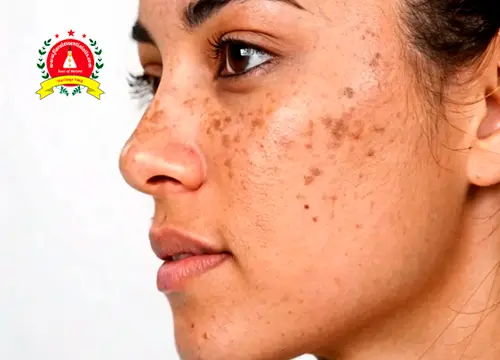
Dark spots (hyperpigmentation) are caused by excess melanin often triggered by acne, skin injuries, sun exposure, or hormones. Many people seek natural remedies like essential oils for dark spots on skin as a gentle way to brighten their complexion. While conventional dermatology uses ingredients like vitamin C, retinoids and acids to lighten spots, natural oils can reduce inflammation and encourage skin renewal. For example, some experts note that essential oils’ anti-inflammatory and antibacterial properties may help the skin “improve its pigmentation” and appear brighter over time. However, board-certified dermatologists caution there’s no conclusive proof that essential oils will fade spots for everyone. Still, with correct use, certain oils can complement a skincare routine. Below we explore causes of dark spots and which oils may help lighten them.
What Causes Dark Spots (Hyperpigmentation)?
Dark spots occur when skin produces extra pigment (melanin) in a specific area. Common triggers include acne or eczema healing, cuts or burns healing, medications, irritating skincare products, and hormonal changes (like pregnancy). In each case, the skin over-produces melanin as it heals, leaving a brown or blackened patch. For example, a pimple or skin injury can lead to a dark mark after it clears, and these often fade slowly over months. Sunlight also stimulates melanin, so unprotected sun exposure can worsen spots. Because dark spots lie in the skin’s layers, fading them usually takes time. Dermatologists say once the trigger is gone (e.g. acne is cleared), spots typically fade in 6–12 months, but many people want faster results.
Dermatologist tip: Always use a broad-spectrum sunscreen (SPF 30+ or higher) to prevent new dark spots and protect existing ones. Sunscreen with iron oxide (a tinted formula) is often recommended to block visible light that can darken skin. Hats and shade also help prevent melanin overproduction.
Best Essential Oils for Dark Spots
Some essential oils have properties that may improve skin tone by reducing inflammation or stimulating cell turnover. The following oils are often recommended for hyperpigmentation:
A calming oil that supports skin healing. Lavender’s anti-inflammatory esters (like linalyl acetate) can soothe irritated spots and may reduce post-acne scarring. Use a few drops of pure lavender oil diluted in a carrier; it is gentle enough for daily use and may gradually lighten discoloration.
2. Geranium Oil:
Known for its astringent and antioxidant effects. Geranium oil can tone and tighten skin, helping even out patches and improve hydration. It’s often used for irritated or acne-prone skin to soothe redness and subtly diminish dark marks. (Tip: mix geranium oil with a smaller amount of vitamin C serum or rosehip for extra brightening.)
An ancient “skin elixir.” Frankincense is praised for promoting cell regeneration and elasticity. Regular use can help fade old scars and age spots by boosting healthy skin turnover without the harsh side effects of strong retinoids. A drop or two of frankincense oil (diluted) can be applied at night to pigmented areas.
4. Carrot Seed Oil:
Rich in antioxidants, carrot seed oil may improve complexion and reduce scarred or sun-damaged spots. (It’s different from carrot carrier oil; carrot seed is highly concentrated.) This oil is often used in anti-aging serums to refresh dull, uneven skin. It can be mixed into a carrier and applied a few times a week.
5. Ylang Ylang Oil:
Useful for balancing oily or combination skin, ylang ylang has been studied for inhibiting excess melanin. Its antioxidant components can improve skin tone. Add a drop of ylang ylang to your nightly facial oil blend to help prevent new dark spots in oily-prone areas.
Other oils sometimes mentioned are Tea Tree (to prevent acne that might lead to spots) and Chamomile (calming and anti-inflammatory), but avoid citrus oils like lemon or lime directly on the skin (they can cause irritation or sun sensitivity). Always research an oil before use.
How to Use Essential Oils Safely
Essential oils are potent. To use them for dark spots without irritation, follow these guidelines:
1. Always dilute in a carrier oil:
Never apply an undiluted (neat) essential oil to skin. A good rule is 3–6 drops of essential oil per teaspoon of carrier oil (about 6–30 drops per ounce). Carrier oils like jojoba, sweet almond or rosehip are gentle on skin. For example, jojoba oil is anti-inflammatory, highly moisturizing and suitable for all skin types. (Carrier oils not only dilute, they also nourish the skin.)
2. Patch test first:
Before putting any new oil on your face, do a patch test on your forearm. Wait 24 hours to check for redness, itching or burning. If you see a reaction, wash it off and avoid that oil.
3. Avoid sun exposure after citrus oils:
Oils from citrus fruits (e.g. lemon, lime, grapefruit, tangerine) can make skin extremely sensitive to sunlight. If you use any citrus oil at all, only apply it at night and be diligent with sunscreen the next day. (Non-citrus oils like lavender and frankincense are safe in sunlight, but it’s still wise to use sunscreen daily.)
4. Use essential oils with moderation:
Start by applying the diluted oil blend 2–3 times per week to pigmented areas. Consistency over weeks or months may yield gradual improvement; do not rush with higher concentrations. If irritation occurs, reduce frequency or concentration.
Precautions and Dermatologist Advice
While natural oils are gentle, remember that true resolution of dark spots often requires a multi-faceted approach. Dermatologists emphasize that the first line of defense is sun protection. Without sunscreen (SPF 30+ and broad spectrum), dark spots can worsen. Doctors may also prescribe lightening ingredients like azelaic acid, glycolic acid or hydroquinone to actively fade spots. These proven treatments work faster but can dry or irritate skin. Essential oils, by contrast, offer a more soothing approach.
Be aware that some “dark spot” products can be harmful. Never use skin-bleaching agents (like undiluted bleach) or unregulated creams with steroids or mercury, which can damage skin permanently. Natural oils lack these dangers, but they also act more slowly. If you have underlying skin conditions (like severe acne or melasma), consult a dermatologist for personalized care.
Despite patience needed, many find that blending oils into a consistent skincare routine can lead to a healthier glow. For example, a nightly serum of lavender or frankincense oil (diluted) can keep skin calm and may lighten scars over time. Meanwhile, keep sunscreen on every morning. This combination of gentle ingredients and sun protection is the safest, dermatologist-advised path to evening out skin tone.
Key Takeaways: Essential oils won’t erase all dark spots overnight, but used properly they can support skin healing. Focus on reducing inflammation and protecting skin. Dilute oils well (see our Carrier Oils for dilution guidance), always patch test, and never skip sunscreen.
FAQ
Q: What causes dark spots on skin?
A: Dark spots (hyperpigmentation) form when an injury or inflammation (like acne) stimulates extra melanin. Common causes include healed pimples, sun exposure, burns or cuts, certain medications, and hormonal changes (e.g. pregnancy). Genetics and aging (age spots) can also play a role.
Q: Can essential oils really help fade dark spots?
A: There’s no guarantee essential oils will completely remove spots, but some have properties that may improve skin tone. Oils like lavender, geranium and frankincense have anti-inflammatory and restorative effects. They may gradually lighten post-acne marks by soothing the skin and promoting gentle exfoliation. Every person’s skin is different; some may notice a slight brightening over weeks. For stubborn spots, combine oils with proven actives (vitamin C, retinoids) under a doctor’s guidance.
Q: Which essential oils are best for dark spots?
A: Oils often recommended include lavender, geranium, frankincense, carrot seed, and ylang-ylang, as each targets pigmentation or inflammation in different ways (see above). For instance, lavender may reduce redness and aid healing, while carrot seed is rich in antioxidants for brighter skin. Always dilute these oils with a gentle carrier before applying. Avoid unverified claims—use products from reputable sources.
Q: How do I use essential oils on my skin for dark spots?
A: Start with a clean face at night. Mix 2–3 drops of an essential oil (or a blend) into a teaspoon of carrier oil (like jojoba or rosehip). Apply this only to the dark spots or affected areas. Always do a patch test first. Use 2–3 times per week, and always wear sunscreen the next day. Never apply full-strength oils to your face.
Q: Are essential oils safe for all skin types?
Essential oils can irritate sensitive skin if misused. If you have eczema, rosacea, or highly sensitive skin, test cautiously. Citrus oils (lemon, orange, grapefruit, etc.) can cause sunburn or staining, so they should be avoided or used only in tiny amounts (with strict sun protection). Pregnancy or medical conditions may also be a factor—consult a doctor if unsure. Generally, diluted oils like jojoba, chamomile, or lavender are the safest choices for most adults.
Conclusion
Natural essential oils offer a gentle way to treat dark spots on skin, especially when combined with sun protection and healthy skincare habits. By choosing oils like lavender, geranium or carrot seed, diluting them properly, and being patient, you can support your skin’s healing process. Remember that consistent sunscreen use (SPF 30+) is crucial to prevent new pigmentation.
Ready to try soothing oils for a brighter complexion? Browse [Floral Essential Oil] products for 100% pure carrier and essential oils, and begin your natural skincare routine today. With careful use, you may see your dark spots fade gradually, revealing more even, radiant skin.
 Chat with us !