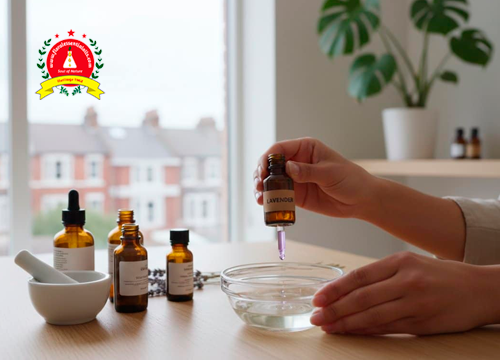
You should only add essential oils to a humidifier if it’s specifically designed for aromatherapy. Popular choices like lavender, eucalyptus, and peppermint can enhance relaxation and relieve congestion when used correctly. Always use just a few drops (never exceeding 5–6 drops per fill), clean the unit regularly, and avoid oils around infants or pets. Humidifier manufacturers warn: “Never add essential oils or vapor rubs” to standard humidifiers, so check your model’s manual before adding any oils.
Why Use Essential Oils in a Humidifier?
Humidifiers add moisture to dry indoor air, which can help ease dry skin, nasal irritation and coughs. When combined with essential oils, a cool-mist humidifier (especially an ultrasonic model) can also disperse soothing fragrances and therapeutic vapors. For example, eucalyptus or peppermint oil in a humidifier can help clear nasal congestion, while lavender promotes relaxation and sleep.
However, not all humidifiers are built for oils. Standard ultrasonic or evaporative humidifiers often lack oil-safe components. Adding oils to incompatible units can clog filters, degrade plastic parts, and even aerosolize microscopic plastic particles. To avoid damage, only use a humidifier with a dedicated aroma tray or specially designed for aromatherapy. Always follow the manufacturer’s instructions: most warn against pouring oils directly into the water tank.
Tip: If your humidifier doesn’t have an oil tray, you can add a few drops of oil to a cotton pad or the outside of the unit near the air outlet. This allows scent to diffuse without harming the machine.
How to choose a good essential oil for your humidifier
Quality matters more when you breathe the oil in, so buy 100% pure essential oils from a reliable manufacturer, not a fragrance blend. Look for:
- 100% pure essential oils. Avoid anything labelled fragrance oil or perfume oil.
- The botanical name on the label, for example Lavandula angustifolia, so you know exactly which plant it is.
- A batch number and a Certificate of Analysis (COA) or GC/MS report from the supplier.
- Dark glass bottles, which protect oil from light and heat.
- Clear safety guidance for dilution, children, pets and pregnancy.
Not sure how to tell a trusted supplier from a risky one? Read our guide on how to choose natural essential oils suppliers.
The 12 best essential oils for a humidifier
Each oil below can be used in an oil-safe humidifier or diffuser, or on an aroma pad. Start with the lowest amount and increase only if needed.
1. Lavender (Lavandula angustifolia)
- Aroma: soft, floral and herbal
- Best for: winding down in the evening and creating a sleep-friendly bedroom
- Blends with: chamomile, bergamot, cedarwood, sweet orange
Lavender is the most popular choice for bedrooms and for good reason: its gentle scent suits almost everyone. Try Floral Essential Oils Lavender Oil for a clean, true-to-plant aroma.
2. Eucalyptus (Eucalyptus globulus or Eucalyptus radiata)
- Aroma: fresh, camphor-like and clear
- Best for: a refreshing room scent during cold season
- Blends with: peppermint, lemon, tea tree
Eucalyptus radiata is milder than globulus, so it is the better pick for a shared living space. See our Eucalyptus Oil. Do not use eucalyptus around babies and young children.
3. Peppermint (Mentha piperita)
- Aroma: cool, minty and sharp
- Best for: daytime focus and a fresher-feeling room
- Blends with: eucalyptus, lemon, rosemary
A crisp, energising oil for a home office. Use it lightly, because peppermint is strong. Keep it away from young children and pets. Explore Peppermint Oil.
4. Tea tree (Melaleuca alternifolia)
- Aroma: medicinal, fresh and woody
- Best for: a clean, fresh-smelling room
- Blends with: lavender, lemon, eucalyptus
Tea tree has a very strong scent, so a drop or two is enough. It is also one of the oils most often linked to problems in cats and dogs, so skip it in homes with pets. See Tea Tree Oil.
5. Lemon (Citrus limon)
- Aroma: bright, zesty and clean
- Best for: kitchens, living rooms and a cheerful start to the day
- Blends with: lavender, peppermint, frankincense
Lemon brings a fresh, uplifting note. Choose Lemon Oil and keep citrus oils out of reach of pets.
6. Sweet orange (Citrus sinensis)
- Aroma: sweet, juicy and warm
- Best for: a happy, homely scent in family spaces
- Blends with: lavender, frankincense, ylang ylang
Sweet orange is one of the easiest scents to like, which makes it a good starter oil. Try Sweet Orange Oil.
7. Bergamot (Citrus bergamia)
- Aroma: citrus with a light floral edge
- Best for: relaxing evenings and calm workspaces
- Blends with: lavender, chamomile, ylang ylang
Bergamot gives a smooth citrus-floral aroma. Use it for diffusing only, because it can make skin sensitive to sunlight if applied directly. Explore Bergamot Oil.
8. Chamomile (Matricaria recutita, German, or Chamaemelum nobile, Roman)
- Aroma: soft, sweet and apple-like
- Best for: quiet bedtime routines
- Blends with: lavender, bergamot, sweet orange
A gentle oil for evenings. If you plan to use it in a child’s room, ask your paediatrician first. See Chamomile Oil.
9. Frankincense (Boswellia carterii)
- Aroma: warm, woody and slightly citrusy
- Best for: quiet reflection, yoga and meditation
- Blends with: lemon, sweet orange, lavender
A grounding oil that suits slow, calm moments. Find Frankincense Oil.
10. Ylang ylang (Cananga odorata)
- Aroma: rich, sweet and floral
- Best for: relaxing evenings
- Blends with: bergamot, sweet orange, lavender
The scent is heavy, so use very little. Too much can leave you with a headache or a nauseous feeling. Browse Ylang Ylang Oil.
11. Lemongrass (Cymbopogon citratus)
- Aroma: grassy, lemony and fresh
- Best for: an energising scent for living rooms, balconies and patios
- Blends with: peppermint, lemon, eucalyptus
Lemongrass is a favourite for outdoor-style spaces and is often used to keep a room smelling fresh. Try Lemongrass Oil.
12. Sweet marjoram (Origanum majorana)
- Aroma: soft, herbal and slightly woody
- Best for: unwinding after a long day
- Blends with: lavender, bergamot, chamomile
Marjoram is a calm herbal oil that pairs nicely with lavender. See Marjoram Oil.
Buying in bulk: how to choose an essential oils manufacturer and supplier
If you run a spa, a candle brand or a wellness shop, you may need more than one bottle. Look for essential oils manufacturers and suppliers who can show you what they sell, not just tell you.
A reliable natural essential oils manufacturer and supplier should be able to share:
- The botanical name, origin and batch number of each oil
- A GC/MS report or Certificate of Analysis (COA), plus an MSDS
- A clear promise of 100% natural essential oils, with no fillers, carrier oils or synthetic fragrance
- Bulk packing in dark glass, aluminium or food-grade containers
- Export documents and clear delivery terms
Many buyers search for essential oil wholesale suppliers in India because the country produces many popular oils, including mint, lemongrass and vetiver. If you are comparing 100% pure essential oils manufacturers, ask for samples and test reports before you place a large order.
Floral Essential Oils works with brands, spas and distributors as a natural essential oils manufacturer and supplier. Contact us for wholesale and private-label supply.
How many drops should you use?
The right amount depends on your device, so the manual comes first. As a general guide:
- Aroma diffuser or oil-safe humidifier: 3 to 5 drops for a standard 100 ml water tank, and fewer for small rooms.
- Aroma pad or tray: 2 to 3 drops.
- Strong oils (peppermint, tea tree, ylang ylang, lemongrass): start with 1 to 2 drops.
More oil does not mean better results. It can overpower the room and leave a sticky film on the device.
Step-by-step: use essential oils in a humidifier safely
- Check the manual to confirm your humidifier is oil-safe or has an aroma tray.
- Fill the tank with distilled or filtered water to prevent white mineral dust.
- Add the oil to the tray or pad, or to the water only if the manufacturer allows it.
- Choose a low mist setting and a well-ventilated room.
- Run it in short sessions of 30 to 60 minutes, then take a break.
- Switch it off and leave the room if anyone develops a headache, cough, watery eyes or breathing trouble.
- Empty, rinse and dry the tank after each use.
Image 4: a step-by-step infographic showing the seven steps. File: how-to-use-essential-oils-in-humidifier.webp. Alt text: Steps to safely use essential oils in a humidifier.
Six easy humidifier blends
Count the drops across the whole blend, and stay within the total for your device.
- Sleep blend: 3 drops lavender + 1 drop chamomile
- Fresh-air blend: 2 drops eucalyptus radiata + 1 drop peppermint
- Happy-home blend: 2 drops sweet orange + 1 drop bergamot
- Calm-evening blend: 2 drops bergamot + 1 drop ylang ylang
- Focus blend: 2 drops lemon + 1 drop peppermint
- Meditation blend: 2 drops frankincense + 1 drop sweet orange
For more recipes, see our essential oil blending guide.
How to clean your humidifier after using oils
Oils can leave a residue that attracts dust and mould. Keep your device clean:
- Empty and dry the tank after every use.
- Wipe the tank and tray weekly with a soft cloth and mild soap.
- Descale monthly with white vinegar if you use hard water, then rinse well.
- Replace filters and pads on the schedule in the manual.
Safety: children, pets, pregnancy and asthma
Essential oils are plant extracts, but that does not make them safe for everyone.
- Babies and young children: do not diffuse oils in their room without medical advice. Many humidifier manufacturers and children’s hospitals advise against adding oils or vapour rubs to humidifiers used around children.
- Pets: cats are especially sensitive, and birds, dogs and small animals can also react. Keep the room ventilated, let pets leave freely, and check with your vet. Take extra care with tea tree, citrus, peppermint and eucalyptus.
- Pregnancy: talk to your doctor or midwife before using essential oils regularly.
- Asthma and allergies: strong scents can trigger symptoms, so check with your doctor first.
- Never swallow essential oils, and keep bottles out of children’s reach.
How to Use Oils Safely in a Humidifier
- Check Your Humidifier: Only put essential oils in a model designed for it (look for aroma trays or oil compartments). Regular humidifiers often warn against oils.
- Use Distilled Water: Fill the tank with distilled or filtered water. Minerals in tap water can turn to white dust when diffused.
- Add Few Drops: Start with 3–5 drops of essential oil per tank of water. Too much oil can overwhelm the scent and leave sticky residue.
- Blend Wisely: Consider soothing blends like lavender+chamomile for sleep, or eucalyptus+peppermint for colds. Always dilute strong oils.
- Clean Often: After each use, clean the humidifier per the manual. Oils can build up on parts, so wipe out the tank and tray weekly to prevent clogs and mold.
- Ventilate and Limit Time: Run the humidifier in a well-ventilated space. Diffuse oils in 30–60 minute intervals rather than continuously to avoid irritation.
Pet & Child Safety
Never leave a diffuser or humidifier running unattended around babies or pets. Cats and birds are particularly sensitive to strong oils, and even trace amounts in the air can be harmful. The ASPCA advises: use diffusers only briefly in areas where pets cannot reach them. And as Children’s Hospital Colorado notes, “Never add essential oils or vapor rubs” to humidifiers used around kids. When using oils, ensure pets have an escape route from the room and consult a veterinarian if your pet has lung issues.
Can I put essential oils in my humidifier?
Only if your humidifier is built for aromatherapy. Adding oils to a standard humidifier can damage it and irritate airways. If it is oil-safe, use an ultrasonic or tray-equipped humidifier and add just a few drops of 100% essential oil (e.g., lavender, eucalyptus) to enhance air quality and soothe ailments. Always check the manual.
Final thoughts
The best essential oil for your humidifier is the one that suits your room, your device and everyone who lives in your home. Start with a gentle oil like lavender or sweet orange, use only a few drops, and keep the machine clean.
Shop pure essential oils at Floral Essential Oils or contact us for bulk and private-label supply from a trusted essential oils manufacturer and supplier.
Related reading
- Essential oil diffuser blends for every mood
- How to choose natural essential oil suppliers
- How to store essential oils so they last
- Essential oils for sleep
Not exactly. Only high-quality, 100% pure essential oils (never fragrances) in small amounts. Choose oils that diffuse well (like lavender or eucalyptus). Check if your humidifier is oil-compatible – if not, use the aroma pad method.
For coughs and congestion, eucalyptus and peppermint are top choices. They act as natural decongestants. A few drops of each in a cool-mist humidifier can ease breathing. Tea tree oil also helps purify the air during colds.
Oils with calming scents – lavender, chamomile, or sandalwood – are ideal for bedtime. Lavender in particular can promote relaxation and better sleep. Just make sure to use only a few drops and run the humidifier on a low mist setting.
Essential oils in the air can be risky for pets. Cats and birds are very sensitive; even breathing diluted oils may cause harm. If you have pets, use minimal oil, keep the room well-ventilated, and monitor your pet’s behavior. Always consult your vet for pet-safe oil recommendations (avoiding tea tree, citrus, pine, etc.).
Use only an ultrasonic or aromatherapy humidifier, and add just a few drops (3–5) of oil to distilled water or the aroma tray. Clean the device regularly. Avoid using oils continuously; run the humidifier in intervals, and keep it away from fabrics and electronics.
 Chat with us !