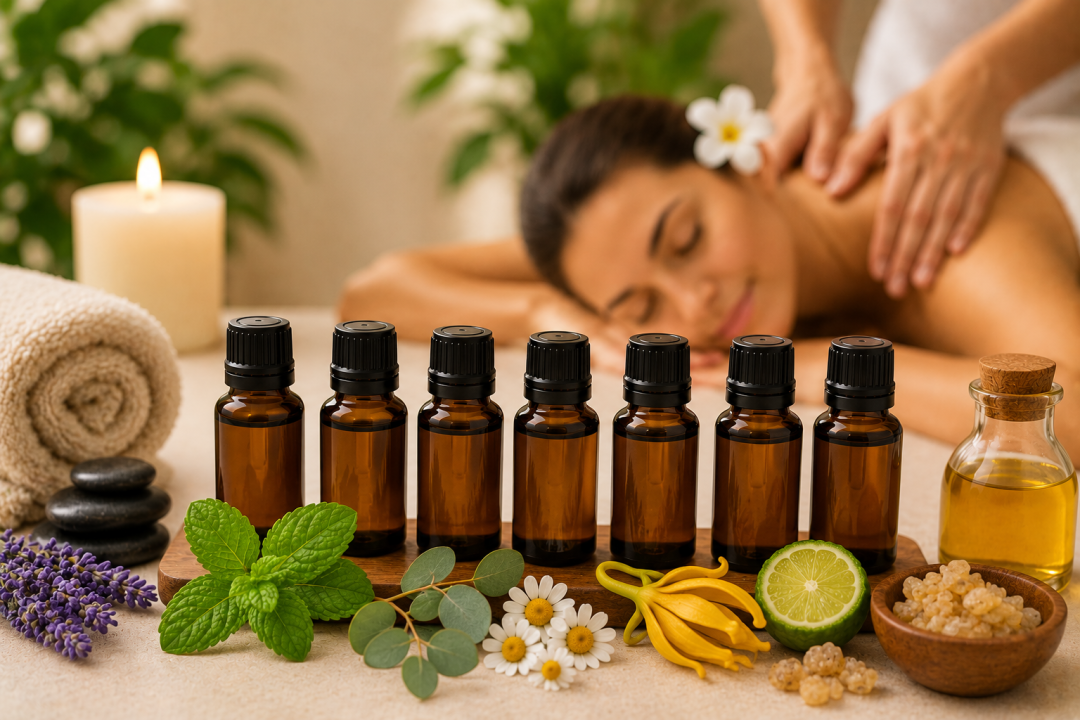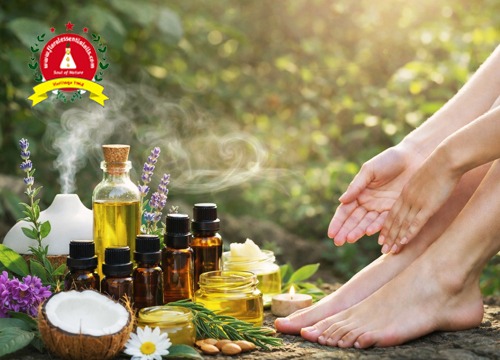
Dry, rough hands and painful cracked heels are common problems, especially during winter, dry weather, or frequent hand washing. Using essential oils for cracked heels is one of the most natural and effective ways to restore softness and heal damaged skin. If you are searching for the best natural oil for cracked heels, essential oils combined with nourishing carrier oils can deeply moisturize, repair skin barriers, and prevent further dryness. These plant-based oils are rich in antioxidants, vitamins, and antibacterial properties that support faster healing while keeping your skin healthy and smooth.
In this blog, you’ll discover the best essential oils for dry hands and cracked heels, how they work, and how to use them safely for everyday skincare.
Why Do Heels Crack and Hands Become Dry?
Before choosing the right oils, it’s important to understand what causes cracked heels and dry hands.
Common reasons include:
Cold and dry weather
Walking barefoot or wearing open footwear
Frequent hand washing and use of sanitizers
Lack of moisturization
Skin conditions like eczema
Dehydration and poor nutrition
When the skin loses moisture, it becomes rough and weak. Over time, pressure on the heels causes deep cracks that may become painful or infected. Natural oils help restore hydration and strengthen the skin barrier.
How Essential Oils Help Heal Cracked Heels & Dry Hands
Essential oils are highly concentrated plant extracts known for their healing and nourishing properties. When blended with carrier oils, they can:
Deeply moisturize dry skin
Support skin cell repair
Reduce inflammation and redness
Fight bacteria and fungi
Improve skin texture and softness
This makes essential oils one of the best natural solutions for foot and hand care.
Best Essential Oils for Cracked Heels
Here are the top essential oils that work wonders for cracked heels:
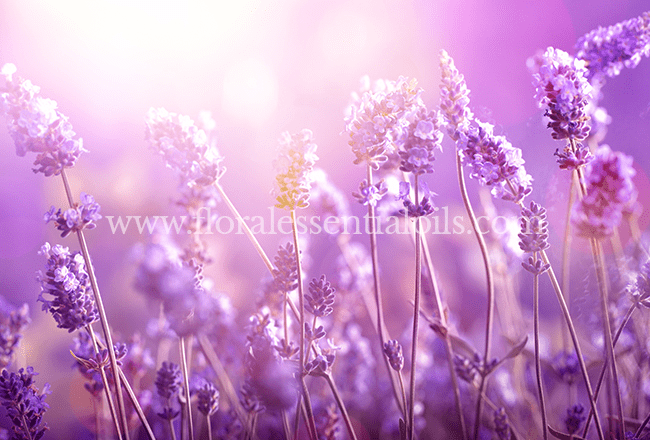
Lavender oil is gentle, soothing, and perfect for repairing dry and damaged skin. It also promotes relaxation, making it ideal for nighttime foot care.
Frankincense is excellent for improving skin elasticity and reducing dryness. It helps prevent further cracking while improving the appearance of feet.
Sandalwood helps lock in moisture and prevents dryness.
Best Carrier Oils to Mix with Essential Oils
Essential oils should always be diluted before applying to skin. These carrier oils are perfect for cracked heels and dry hands:
Coconut oil
Sweet almond oil
Jojoba oil
Olive oil
Shea butter
These oils add deep hydration and help essential oils penetrate better.
DIY Essential Oil Blend for Cracked Heels
Here’s a simple and effective blend you can make at home:
Ingredients:
2 tablespoons coconut oil
1 tablespoon olive oil
6 drops tea tree essential oil
6 drops lavender essential oil
How to use:
Mix all ingredients in a clean bowl.
Apply to clean, dry heels before bedtime.
Wear cotton socks overnight for best results.
Repeat daily until cracks heal.
DIY Hand Moisturizing Oil Blend
Ingredients:
2 tablespoons sweet almond oil
5 drops geranium essential oil
5 drops rose essential oil
Apply a few drops to hands and massage well. Use after washing hands for long-lasting softness.
Extra Tips for Preventing Cracked Heels & Dry Hands
Drink enough water daily
Use a pumice stone once a week
Avoid very hot water
Wear socks after applying oil
Use gloves while cleaning
These habits combined with essential oils will keep your skin smooth and healthy.
Why Choose Natural Oils Over Chemical Creams?
Most commercial creams contain artificial fragrances, alcohol, and preservatives that can make dryness worse over time. Essential oils and carrier oils are free from harsh chemicals and provide long-term skin nourishment.
Natural oils:
Support real skin repair
Do not clog pores
Are gentle and effective
Provide aromatherapy benefits
Conclusion
Using essential oils for cracked heels and dry hands is a safe, effective, and natural way to restore softness and heal damaged skin. If you’re looking for the best natural oil for cracked heels, combining pure essential oils with nourishing carrier oils gives the best results. With regular use, your heels will become smoother, and your hands will stay soft, hydrated, and healthy.
For premium-quality essential oils and carrier oils, Floral Essential Oils offers a wide range of pure, natural solutions designed to support your skin care needs. Add these healing oils to your daily routine and enjoy naturally beautiful, healthy skin.
Frequently Asked Questions (FAQs)
1. Which essential oil is best for cracked heels?
Lavender, tea tree, and frankincense essential oils are among the best essential oils for cracked heels. They help repair damaged skin, fight infection, and deeply nourish dry, rough feet.
2. Can essential oils really heal cracked heels?
Yes, when used regularly with a carrier oil, essential oils for cracked heels help soften hardened skin, reduce inflammation, and support natural skin healing.
3. What is the best natural oil for cracked heels?
Coconut oil, shea butter, and sweet almond oil are considered the best natural oils for cracked heels because they deeply moisturize, strengthen the skin barrier, and prevent further cracking.
4. How often should I apply essential oils on cracked heels?
You can apply essential oil blends once or twice daily. For best results, apply at night and wear cotton socks to allow the oils to work deeply while you sleep.
5. Are essential oils safe for dry hands?
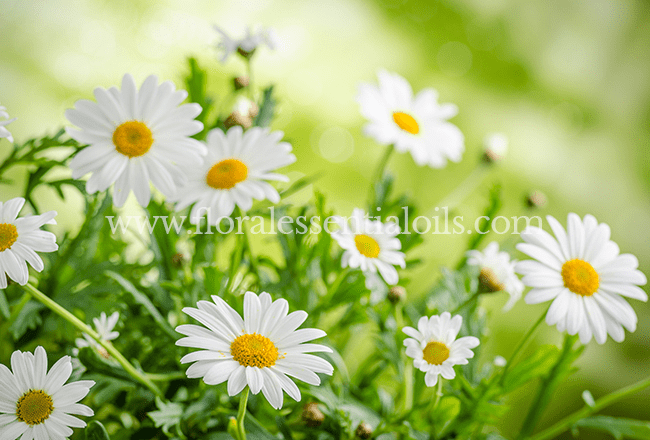
Yes, when diluted properly, essential oils like rose, chamomile, geranium, and sandalwood are safe and effective for dry hands. They soothe irritation and restore skin moisture.
6. Can I apply essential oils directly on my skin?
Essential oils should always be diluted with a carrier oil before applying to the skin. Direct application may cause irritation, especially on cracked or sensitive skin.
Top Attars for Meditation, Relaxation, and Spiritual Practices
In today’s fast-paced world, creating a calm, sacred space for meditation, reflection, or spiritual rituals is more important than ever. While music, candles, or dim lighting often help, one of the most ancient and subtle tools for elevating such practices is attar — pure fragrant oils distilled from flowers, woods, resins, and herbs. Rooted in traditions across India, the Middle East, and beyond, attars bring not only beautiful scent but also deeper spiritual and energetic benefits.
In this blog, we’ll explore why attars are powerful companions for meditation and spiritual work, highlight some of the best attars to use, and suggest practical ways to incorporate them into your spiritual routine.
Why Use Attars in Meditation and Spiritual Practices
1. Direct Access to the Limbic System
Scents bypass our conscious mind and connect directly to the limbic system, the part of the brain that handles emotions, memory, and mood. That’s why a few drops of attar can instantly shift your internal state — bringing calm, clarity, or grounding.
2. Energy Cleansing & Aura Protection
In many spiritual traditions, attars are believed to purify the aura, remove negative energies, and raise one’s vibrational frequency.
3. Chakra Alignment
Certain attars resonate with specific chakras (energy centers). For example:
Sandalwood for third-eye or crown chakra (mental stillness)
Rose for the heart chakra (emotional balance, self-love)
Vetiver (khus) for root chakra (grounding, stability)
4. Non-Alcoholic & Gentle
Unlike many commercial perfumes, traditional attars are alcohol-free, made via steam distillation of pure botanicals — making them safer for skin, meditation, and ritual use.
5. Cultural & Spiritual Legacy
Attars have been used for centuries in religious rituals, puja (worship), and sacred ceremonies. Their use keeps alive a rich spiritual and olfactive heritage.
Top Attars Recommended for Spiritual & Meditative Practices
Here are some of the most effective attars for enhancing meditation, inner peace, and spiritual connection:
1. Sandalwood Attar (Chandan)
Why it’s powerful: Sandalwood is perhaps the most iconic spiritual scent. Its creamy, woody aroma grounds the mind, calms anxiety, and helps deepen focus.
Spiritual use: Apply to pulse points (wrists, forehead) or diffuse in your meditation space to anchor your awareness.
2. Oudh / Agarwood Attar
Why it’s powerful: Oudh (agarwood) is deeply resinous, rich, and mystical. It creates a sacred, almost cathedral-like atmosphere, conducive to deep reflection.
Spiritual use: Use sparingly; a little attar goes a long way. Ideal for rituals, prayer, or quiet evening meditation.
3. Rose Attar (Ruh Gulab)
Why it’s powerful: Rose attar carries the energy of love, compassion, and healing. It’s used for emotional cleansing, opening the heart, and fostering compassionate presence.
Spiritual use: Apply to the heart area, or use in rituals focused on self-love, forgiveness, or devotion.
4. Lavender Attar
Why it’s powerful: Although not always traditional, lavender’s floral yet herbal scent is incredibly calming, reducing stress and anxiety.
Spiritual use: Use before meditation or pranayama (breathwork) to quiet an overactive mind.
5. Vetiver / Khus Attar
Why it’s powerful: Vetiver, or khus, has an earthy, grounding aroma. It’s excellent for stabilizing energy, especially when you feel scattered or unrooted.
Spiritual use: Apply to the base of the spine or feet to “root” your energy into the body and ground during spiritual work.
6. Frankincense Attar
Why it’s powerful: Frankincense has been used in mystical traditions around the world. It purifies the aura, enhances clarity, and supports connection with higher consciousness.
Spiritual use: Use on the third-eye or in a diffuser during meditation for clarity, deep insight, or inner purification.
7. Blue Lotus Attar
Why it’s powerful: This is more esoteric but very potent — blue lotus is associated with visionary experiences, intuitive insight, and spiritual awakening.
Spiritual use: Use in meditation practices focused on psychic development, astral travel, or dream work.
8. Hina (Henna) Attar
Why it’s powerful: Hina attar is grounding and helps in accessing past-life memories, karmic healing, and deep soul work.
Spiritual use: Use in rituals for healing, ancestral work, or past-life regression.
How to Use Attars Effectively in Spiritual Practices
Here are some practical suggestions for incorporating attars into your meditation, prayer, or spiritual routine:
Direct Application
Dab a drop or two on pulse points: wrists, neck, behind the ears, or on your third eye.
For grounding scents (like vetiver), apply to the base of the spine or the soles of your feet.
Diffusion
Place a drop on a cotton ball or a piece of cloth and keep it near your meditation cushion or altar.
Use an essential-oil diffuser (if the attar is safe for diffusion) to gently scent the room.
Ritual Use
Use attar in pooja or prayer: apply it to idols, prayer beads (mala), or altars.
Combine with other spiritual tools: for example, apply frankincense before chanting, or sandalwood before pranayama.
Anointing
Anoint yourself before meditation. This helps signal to your mind and body that it’s time to shift into a spiritual mode.
You can also anoint candles, journals, or sacred objects with a drop of attar.
Consistency:
Use the same attar regularly with your practice. Over time, your mind will associate the scent with calm, focus, and deeper meditation.
Store attars in cool, dark places to preserve their potency.
Layering:
You can layer attars to create a more complex and personalized spiritual scent profile. For instance, a dab of sandalwood + a hint of rose + a drop of frankincense can be deeply meditative.
Be mindful while layering: start small, let the scents blend, and observe how the combined aroma affects you.
Spiritual Benefits & Applications: A Deeper Look
Purification of Mind and Aura
In Hindu and other spiritual traditions, attar is used to cleanse the aura, remove energetic blockages, and invite positive vibrations. Using attar before meditation helps to create a sacred container in which spiritual work can happen more freely.
Enhancing Devotion and Bhakti
Scents like rose, jasmine, sandalwood, and oud are often used as offerings in devotional rituals. Applying attar or offering it symbolically helps deepen one’s devotion, creating a more intimate connection with the divine.
Chakra Work & Energy Alignment
As mentioned before, different attars resonate with different chakras. When used intentionally, they can help balance energy centers, support healing, and elevate spiritual awareness.
Psychic Development & Higher Awareness
Some attars — like blue lotus, frankincense, or henna — are especially potent for psychic work, accessing subtle realms, and exploring spiritual memories. These scents can be used in deeper meditation, dreamwork, or visionary practices.
Emotional Healing
Rose attar, sandalwood, and other floral/wood attars support emotional healing, compassion, and self-love. They help soften the heart, release old wounds, and create a nurturing inner space.
Supporting Daily Spiritual Discipline
Whether it’s a daily meditation, prayer, or simply a moment of stillness, attars help anchor your spiritual habits. The ritual of “anoint, breathe, sit” can become a powerful marker in your daily life.
Popular Attars to Buy (Product Suggestions)
Here are a few attars that are readily available and great for meditation or spiritual use:
Meditation Amber Attar: Rich amber base makes it grounding, warm, and deeply soothing — perfect for meditative rituals.
Spiritual Meditation Buddha Attar: Designed for spiritual practices, this attar has a balanced, slightly floral-resinous profile to help deepen focus.
Kasturi Vedic Spiritual Aroma Attar: Musk-based attar, very traditional and grounding — supports aura purification and deep connection.
Vanilla Meditation Attar: A gentle, sweet undertone with vanilla helps relax the mind, especially useful for stress relief or before sleep.
Buddha Attar 5 ml: Compact bottle, convenient for travel or discrete use — great for keeping your meditative state on the go.
Pure Musk Attar: Musk’s deep, sensual aroma is grounding and can be especially useful for aura work or in energy-clearing rituals.
Tips & Precautions
Patch Test: Even though attars are natural, do a skin patch test first to ensure you don’t have sensitivity.
Use Sparingly: Attars are very concentrated — a little goes a long way.
Storage: Keep in a cool, dark place to preserve their aroma and potency.
Quality Matters: Choose high-quality, pure attars rather than cheap synthetic oils. Poor quality attars may give headache or feel harsh. Reddit
Intention Setting: When you use an attar for spiritual work, set an intention. For example: “May this scent help me ground into calm” or “May this aroma deepen my connection.”
Conclusion
Attars are much more than just beautiful fragrances — they are potent tools for spiritual work, meditation, and inner healing. Whether you’re seeking grounding, clarity, emotional healing, or psychic insight, there’s likely an attar that aligns with your needs:
Sandalwood for serenity and focus
Oudh for deep reflection
Rose for heart-healing
Frankincense / Blue Lotus for spiritual expansion
Vetiver / Musk for grounding and aura protection
By weaving attars into your spiritual rituals — through application, diffusion, or ritual anointing — you can transform simple practices into deeply resonant experiences. Choose attars with intention, use them mindfully, and let their sacred scent guide you inward.
Cold Pressed vs Steam Distilled Essential Oils: Which Method Gives Pure Results?
Essential oils have gained enormous popularity in wellness, healing, and aromatherapy, but choosing between cold pressed vs steam distilled essential oils can significantly impact their quality. These concentrated plant extracts are remarkably potent—about 80 times more concentrated than dried herbs. In fact, it takes an astonishing 4 million jasmine buds to produce just one pound of pure jasmine oil.
When we look at the difference between cold pressed and steam distilled essential oils, the extraction method becomes a crucial factor in determining their ultimate quality and efficacy. Steam distillation, which has been widely used for a long time, is generally considered superior for producing pure, stable, and highly aromatic oils. Meanwhile, cold pressing offers excellent results for certain plant materials, particularly citrus oils. Consequently, steam-distilled oils tend to be more stable and less prone to oxidation, giving them a longer shelf life—an important consideration for both personal use and commercial products.
As the demand for essential oils continues to grow rapidly across wellness, cosmetic, aromatherapy, and pharmaceutical industries, understanding these extraction methods becomes increasingly important. Whether you’re looking for oils to enhance your natural beauty routine, address skin concerns, or simply enjoy their aromatic benefits, we’ll help you understand which method might be best suited for your specific needs.
Understanding the Extraction Methods
The extraction method serves as the foundation for essential oil quality. Two primary techniques dominate the industry: steam distillation and cold pressing, each producing oils with distinct characteristics.
Steam Distillation: How It Works and What It Extracts
Steam distillation represents the most widely used essential oil extraction technique. This process begins by passing steam through plant material, which vaporizes the volatile aromatic compounds. These vapors travel through a cooling system where they condense back into liquid form. The essential oil, being less dense than water, naturally separates and floats to the top (though heavier oils like clove may sink instead).
For optimal results, steam distillation requires precise control over temperature (typically 140–212°F), pressure (15-20 PSI), and time (ranging from hours to days). This method from plant materials. Steam distillation works exceptionally well for herbs, flowers, and woody materials, producing oils with remarkable purity due to the absence of solvent contamination extracts approximately 93% of essential oils
Cold Pressing: Mechanical Process for Citrus Oils
Cold pressing (also called expression) functions entirely differently. Rather than using heat, this mechanical process applies pressure to extract oils—primarily from citrus peels. During cold pressing, the fruit peel undergoes mechanical abrasion or pricking that ruptures the tiny oil sacs located in the rind. The resulting mixture of oil, juice, and pulp then undergoes centrifugation to separate the pure essential oil.
This method preserves heat-sensitive compounds that might otherwise degrade, maintaining the fresh, vibrant aroma profile characteristic of citrus oils. However, cold-pressed oils typically contain more waxes and residues than their steam-distilled counterparts.
Why Extraction Method Matters for Oil Purity
The extraction technique directly influences an oil’s chemical composition, therapeutic properties, and aromatic profile. Steam distillation yields exceptionally clean oils with minimal impurities but may alter heat-sensitive compounds. Conversely, cold pressing maintains the oil’s natural state but produces oils prone to oxidation with shorter shelf lives.
than other extraction methods in laboratory testing. Furthermore, the extraction method affects which compounds predominate in the final product, ultimately determining the oil’s practical applications.Steam distilled oils demonstrated higher antifungal efficacy
Benefits of Steam Distilled vs Cold Pressed Oils
Each extraction method delivers unique advantages depending on what compounds you value most in your essential oils.
Nutrient Retention: Heat-Stable vs Heat-Sensitive Compounds
Steam distillation excels at preserving heat-stable compounds like terpenes and sesquiterpenes, although some delicate molecules may alter during heating. Alternatively, cold pressing retains a broader spectrum of since no external heat is applied.heat-sensitive vitamins, antioxidants, and enzymes
Aroma Profile: Deep Herbal vs Bright Citrus Notes
Steam distilled oils typically offer more refined, concentrated aromas that sometimes differ from the fresh plant material. In contrast, cold pressed citrus oils maintain bright, zesty characters that closely resemble fresh fruit peels.
Shelf Life and Oxidation Resistance
Steam distilled oils demonstrate , typically lasting 2-3 years when properly stored. Cold pressed oils, especially citrus varieties, contain higher limonene content making them more susceptible to oxidation, generally maintaining quality for 1-2 years.superior stability and oxidation resistance
Skin Safety: Phototoxicity and Sensitivity Considerations
Perhaps most importantly, cold pressed citrus oils often contain furanocoumarins that cause phototoxicity—creating severe skin reactions when exposed to UV light. These molecules bind to skin cell DNA under sunlight, causing cell death resembling burns. Notably, steam distilled citrus oils typically lack these compounds as furanocoumarins cannot pass through the steam distillation process.
Key Differences Between Cold Pressed and Steam Distilled Oils
The fundamental distinction between cold pressed and steam distilled essential oils lies in their extraction principles, affecting everything from their composition to their therapeutic uses.
Extraction Process: Heat vs No Heat
Steam distillation operates , whereas cold pressing maintains temperatures below 120°F. This temperature difference is critical—steam causes volatile compounds to evaporate, while cold pressing physically releases oils through mechanical pressure without altering their molecular structure at temperatures between 140-212°F
Best Plant Types for Each Method
Cold pressing works exclusively with citrus fruits like orange, lemon, and bergamot, whose peels contain large oil sacs easily accessed through mechanical pressing. Alternatively, steam distillation excels with flowers (lavender, rose), herbs (rosemary, thyme), roots (ginger, vetiver), and woody materials (sandalwood, cedar). The versatility of steam distillation makes it on the market suitable for approximately 95% of essential oils
Chemical Composition and Therapeutic Potency
Cold pressed oils contain a wider spectrum of compounds, including heat-sensitive components and non-volatile substances like waxes and pigments. Steam distilled oils primarily extract monoterpenes, sesquiterpenes, and other volatile compounds, creating a more refined composition.
Cost and Availability in the Market
Cold pressed citrus oils are typically more affordable as they’re often byproducts of juice production. Steam distillation requires specialized equipment—boilers, condensers, and separation tanks—making the initial investment higher, though the concentrated yield offsets some costs.
How to Choose the Right Oil for Your Needs
Selecting the ideal essential oil requires matching the extraction method to your specific application. Beneath the botanicals lies a world of chemical differences that determine which oils work best for your needs.
For Skincare: Cold Pressed Citrus vs Steam Distilled Lavender
Cold pressed citrus oils excel in brightening skin routines through their naturally high vitamin C content. For example, and hyperpigmentation. Additionally, cold-pressed orange oil stimulates collagen production, reducing fine lines.cold-pressed lemon oil effectively lessens dark spots
Despite these benefits, remember that cold-pressed citrus oils are phototoxic—apply them only at night and wash off by morning. For sensitive or irritated skin, steam-distilled lavender or tea tree oils provide better options, offering anti-inflammatory and antimicrobial support without photosensitivity risks.
For Aromatherapy: Scent Strength and Diffusion
Cold pressed citrus oils deliver uplifting, energizing qualities with immediate psychological effects that improve mood. Nevertheless, these vibrant aromas typically serve as top notes, fading more quickly.
Specifically, steam distilled oils like lavender and eucalyptus maintain better staying power, providing lasting middle and base notes in aromatherapy blends. When diffusing, consider the oil’s “odor intensity” (rated 1-10) to achieve balanced blends—stronger oils like frankincense (rated 7) may require fewer drops than milder oils like lavender (rated 5).
For DIY Essential Oil Distiller Users: What to Consider
Before attempting home distillation, understand that extracting oils requires substantial plant material—sometimes hundreds of pounds for minimal oil. Copper equipment yields superior results through its natural antibacterial properties.
Following distillation, proper storage becomes crucial—use only stainless steel or dark glass containers with tight-fitting caps. Throughout the process, prioritize safety by working outdoors or in well-ventilated areas while using appropriate protective equipment.
Label Reading Tips: Identifying Extraction Method and Purity
Authentic essential oil labels should clearly specify:
Latin botanical name and plant part used
Country of origin and extraction method (“steam distilled” or “cold pressed”)
Batch/lot number for traceability
100% purity statement (with no additives or fillers)
Beware of misleading marketing terms like “therapeutic grade” which lack standardized meaning. Instead, look for oils with comparable pricing to similar products—unusually inexpensive oils often indicate adulteration.
Comparison Table
Characteristic
Cold Pressed Oils
Steam Distilled Oils
Extraction Temperature
Below 120°F
140-212°F
Suitable Plant Materials
Primarily citrus peels
Herbs, flowers, roots, woody materials (95% of essential oils)
Process Method
Mechanical pressure/abrasion
Steam vaporization and condensation
Oil Purity
Contains more waxes and residues
Minimal impurities, cleaner oils
Shelf Life
1-2 years
2-3 years
Oxidation Resistance
More prone to oxidation
Superior stability and oxidation resistance
Phototoxicity Risk
Yes (contains furanocoumarins)
No (furanocoumarins removed during process)
Compound Retention
Preserves heat-sensitive vitamins, antioxidants, and enzymes
Preserves heat-stable compounds like terpenes and sesquiterpenes
Aroma Profile
Bright, zesty, resembles fresh fruit
Refined, concentrated, may differ from fresh plant
Market Cost
Generally more affordable
Higher initial investment, offset by concentrated yield
Extraction Yield
Not mentioned
Approximately 93% of essential oils from plant materials
Both cold pressed and steam distilled essential oils offer unique benefits depending on your specific needs. Steam distillation clearly stands as the more versatile method, extracting pure oils from approximately 95% of plant materials including herbs, flowers, roots, and woody substances. Additionally, these oils demonstrate superior stability, longer shelf life, and freedom from phototoxic compounds that might cause adverse skin reactions.
Cold pressing, though limited primarily to citrus peels, excels at preserving heat-sensitive compounds like vitamins and enzymes that would otherwise degrade during steam distillation. Therefore, cold pressed citrus oils deliver bright, vibrant aromas closely resembling fresh fruit while offering excellent skincare benefits through their naturally high vitamin C content.
The choice between these extraction methods ultimately depends on your intended use. For skincare routines requiring brightening effects, cold pressed citrus oils work wonderfully—albeit with careful attention to their phototoxic nature. Conversely, steam distilled lavender or tea tree oils provide better options for sensitive skin conditions without photosensitivity risks.
Aromatherapy enthusiasts might prefer cold pressed oils for their immediate mood-enhancing properties, while those seeking longer-lasting scents would benefit from steam distilled varieties. Undoubtedly, understanding these fundamental differences allows you to make informed decisions when purchasing essential oils for wellness, beauty, or therapeutic applications.
Whether you choose cold pressed or steam distilled oils, quality remains paramount. Always check labels for botanical names, extraction methods, and purity statements. The perfect essential oil for you balances extraction method benefits with your specific wellness goals—making the journey through aromatic botanicals both effective and enjoyable.
Key Takeaways
Understanding the extraction method is crucial for choosing the right essential oil for your specific needs and ensuring optimal results.
• Steam distillation produces purer, more stable oils with 2-3 year shelf life, suitable for 95% of plant materials including herbs and flowers.
• Cold pressed citrus oils retain heat-sensitive vitamins and bright aromas but are phototoxic and oxidize faster (1-2 year shelf life).
• For skincare, use cold pressed citrus oils at night only due to phototoxicity; steam distilled lavender/tea tree are safer for sensitive skin.
• Steam distilled oils offer superior aromatherapy longevity as middle/base notes, while cold pressed provide immediate mood-boosting top notes.
• Always verify labels for botanical names, extraction method, and 100% purity statements to ensure authentic, high-quality essential oils.
The key is matching extraction method to application: steam distilled for therapeutic stability and safety, cold pressed for fresh citrus benefits with proper precautions.
FAQs
Q1. What are the main differences between cold pressed and steam distilled essential oils? Cold pressed oils are extracted mechanically from citrus peels without heat, while steam distilled oils are obtained by passing steam through plant materials. Cold pressed oils retain more heat-sensitive compounds but have shorter shelf lives, while steam distilled oils are purer and more stable.
Q2. Which extraction method is better for skincare applications? It depends on your needs. Cold pressed citrus oils are great for brightening skin due to their vitamin C content, but they can cause photosensitivity. Steam distilled oils like lavender or tea tree are safer for sensitive skin and don’t pose phototoxicity risks.
Q3. How long do cold pressed and steam distilled essential oils typically last? Cold pressed oils generally have a shelf life of 1-2 years, while steam distilled oils can last 2-3 years when properly stored. Steam distilled oils have superior oxidation resistance, making them more stable over time.
Q4. Are steam distilled essential oils more effective for aromatherapy? Both types have their place in aromatherapy. Cold pressed citrus oils provide immediate mood-boosting effects with bright top notes. Steam distilled oils often have better staying power, offering lasting middle and base notes in aromatherapy blends.
Q5. How can I ensure I’m buying high-quality essential oils? Look for labels that clearly specify the Latin botanical name, country of origin, extraction method, and a 100% purity statement. Be wary of unusually low prices, which may indicate adulteration. Authentic oils should have batch numbers for traceability and avoid misleading terms like “therapeutic grade.”
Aging is a journey a quiet, graceful dance with time that brings with it a wealth of wisdom, experience, and beauty. Yet, as the years unfold, our bodies and minds often seek a little extra care to maintain their vitality and radiance. In this dance with time, essential oils emerge as gentle companions, offering their restorative touch to soothe, rejuvenate, and celebrate the beauty of every stage of life.
For centuries, essential oils have been revered for their ability to nurture the body, calm the mind, and uplift the spirit. These concentrated essences of nature, extracted from flowers, leaves, roots, and resins, carry within them the power to address the unique challenges of aging. From promoting youthful skin to easing joint discomfort and fostering emotional well-being, essential oils can be a natural ally in embracing the golden years with grace and vitality.
How Essential Oils Support Aging
As we age, our bodies undergo subtle changes—skin loses elasticity, joints may ache, and the mind sometimes yearns for clarity and calm. Essential oils, with their potent therapeutic properties, can help address these concerns in a holistic, nurturing way.
Skin Rejuvenation: The skin, our body’s largest organ, often bears the visible signs of aging. Essential oils like frankincense, rose, and neroli are renowned for their ability to promote cell regeneration, reduce the appearance of fine lines, and restore a youthful glow.
Joint and Muscle Comfort: Aches and stiffness can become more common with age. Oils such as ginger, peppermint, and eucalyptus have anti-inflammatory and analgesic properties that can soothe discomfort and improve mobility.
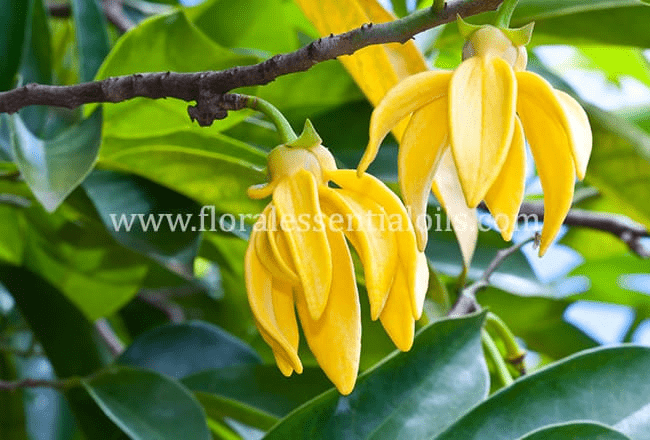
Emotional Balance: Aging can sometimes bring emotional challenges, from feelings of loneliness to a longing for purpose. Floral oils like lavender, ylang-ylang, and chamomile are known for their calming and uplifting effects, helping to ease anxiety and promote a sense of peace.
Cognitive Support: Maintaining mental clarity and focus is essential as we age. Rosemary and basil essential oils are celebrated for their ability to enhance cognitive function and memory.
Essential Oils for Every Need
The beauty of essential oils lies in their versatility. Each oil carries its own unique melody, and when blended together, they create a symphony of healing and harmony. Here are some ways to incorporate essential oils into your daily routine to support the aging process:
Nourishing the Skin
As the years pass, our skin craves extra care and attention. Essential oils can be blended into carrier oils, creams, or serums to create luxurious, natural skincare treatments.
Frankincense and Rose Serum: Combine 5 drops of frankincense essential oil, 3 drops of rose essential oil, and 1 ounce of jojoba oil. Gently massage a few drops into your face and neck each night to promote elasticity and reduce the appearance of wrinkles.
Neroli Toner: Add 3 drops of neroli essential oil to a spray bottle filled with rose water. Spritz on your face after cleansing to refresh and rejuvenate your skin.
Soothing Relief
For those moments when your body feels the weight of time, essential oils can offer soothing relief.
Warming Massage Blend: Mix 5 drops of ginger essential oil, 5 drops of lavender essential oil, and 2 tablespoons of coconut oil. Massage into sore joints or muscles for a warming, comforting effect.
Eucalyptus Bath Soak: Add 5 drops of eucalyptus essential oil and 1 cup of Epsom salts to a warm bath. Soak for 20 minutes to ease stiffness and promote relaxation.
Calming the Mind and Spirit
Emotional well-being is just as important as physical health, especially as we navigate the complexities of aging.
Floral Diffuser Blend: Combine 3 drops of lavender, 2 drops of ylang-ylang, and 1 drop of chamomile in a diffuser. Let the calming aroma fill your space, creating a sanctuary of peace.
Personal Inhaler: Add 5 drops of bergamot essential oil to a personal inhaler. Use it throughout the day to uplift your mood and combat feelings of stress or sadness.
Enhancing Cognitive Clarity
Keeping the mind sharp and focused is a gift we can give ourselves at any age.
Rosemary and Lemon Diffuser Blend: Add 3 drops of rosemary essential oil and 2 drops of lemon essential oil to your diffuser. The invigorating scent can help improve concentration and mental clarity.
Memory-Boosting Roller: Mix 5 drops of basil essential oil, 5 drops of rosemary essential oil, and 1 ounce of fractionated coconut oil in a roller bottle. Apply to your wrists and temples when you need a mental boost.
Embracing Aging with Grace
Aging is not just a biological process—it’s an opportunity to deepen our connection with ourselves and the world around us. Incorporating essential oils into your daily routine can become a cherished ritual, a moment to pause, reflect, and honor the journey you’ve traveled.
Imagine starting your day with a gentle massage using a rose-infused serum, feeling the softness of your skin and the warmth of the sun on your face. Or ending your evening with a calming bath, the scent of lavender and chamomile wrapping you in a cocoon of tranquility. These small acts of self-care are not just about maintaining physical health—they’re about nurturing your soul and celebrating the beauty of every stage of life.
Conclusion: Celebrating the Beauty of Aging
Aging is not a process to be feared or resisted—it’s a journey to be embraced, celebrated, and cherished. With the gentle touch of essential oils, we can navigate this journey with grace, vitality, and a deep sense of well-being. From the restorative power of frankincense to the calming embrace of lavender, these natural wonders offer a holistic approach to aging that nurtures the body, mind, and spirit.
As you explore the world of essential oils, let Floral Essential Oils be your trusted companion. Our exquisite range of essential oils, crafted with purity and care, brings the essence of nature’s beauty into your life. Whether you’re seeking to rejuvenate your skin, calm your mind, or simply indulge in a moment of self-care, Floral Essential Oils offers a timeless way to celebrate the golden years.
So take a moment to breathe in the scent of a blooming rose, to feel the warmth of the sun on your skin, and to celebrate the wisdom and grace that come with each passing year. With essential oils by your side, the journey of aging becomes not just a process, but a celebration of life itself.
Discover the beauty of aging with Floral Essential Oils—your natural partner in grace and vitality.
Essential Oils for Intimate Hygiene: A Natural Approach to Wellness
Maintaining intimate hygiene is a vital aspect of overall health, yet it’s often overlooked or approached with products that contain harsh chemicals. Essential oils, nature’s potent and versatile gifts, offer a gentle and effective way to support intimate hygiene while promoting a sense of well-being. In this blog, we’ll explore the benefits of essential oils for intimate care, the best oils to use, and how to incorporate them into your daily routine.
Why Intimate Hygiene Matters
Intimate hygiene is crucial not only for comfort but also for preventing infections, irritation, and unpleasant odors. The delicate pH balance of the intimate area can be disrupted by stress, diet, or the use of synthetic products, leading to discomfort or health issues. Essential oils provide a natural alternative that helps maintain this balance while delivering soothing and cleansing properties.
Why Choose Essential Oils?
Essential oils are potent plant extracts brimming with therapeutic properties. Here’s why they’re a great choice for intimate hygiene:
Antimicrobial Properties: Many essential oils, like tea tree and lavender, combat bacteria, fungi, and viruses effectively.
Gentle and Natural: Unlike synthetic products, essential oils are free from harsh chemicals and additives.
Aromatherapy Benefits: Their natural scents provide relaxation and mood-enhancing benefits.
Customizable: Essential oils can be blended to address specific needs, such as soothing irritation or refreshing the area.
Top Essential Oils for Intimate Hygiene
Tea Tree Oil
Known for its powerful antifungal and antibacterial properties, tea tree oil is excellent for combating infections and maintaining cleanliness. It’s especially effective against yeast infections and bacterial vaginosis.
Lavender Oil
Lavender oil is a gentle, soothing option with antimicrobial properties. It helps calm irritation, reduce inflammation, and promote healing, making it ideal for sensitive skin.
Chamomile Oil
Chamomile oil is widely recognized for its soothing and anti-inflammatory qualities. It’s perfect for addressing irritation, redness, or itchiness in the intimate area.
Rose Oil
Rose oil is a luxurious addition to your hygiene routine, offering antibacterial and hydrating benefits. Its delicate aroma brings a refreshing and invigorating feel.
Coconut Oil (Carrier Oil)
While not an essential oil, coconut oil is a wonderful carrier oil that hydrates and soothes the skin. It pairs well with essential oils to dilute their potency and enhance their benefits.
How to Use Essential Oils for Intimate Hygiene
Dilution is Key
Essential oils are highly concentrated and must be diluted with a carrier oil like coconut, jojoba, or almond oil before application. A recommended dilution is 1 to 2 drops of essential oil mixed with one tablespoon of carrier oil.
DIY Intimate Wash
Mix 1 drop of tea tree oil, 1 drop of lavender oil, and 2 tablespoons of coconut oil.
Add the mixture to warm water and use it as a gentle wash.
Aromatherapy Sitz Bath
Add 2-3 drops of chamomile or lavender oil to a warm sitz bath.
Soak for 10-15 minutes to soothe irritation and refresh the area.
Refreshing Spray
Combine 5 drops of rose oil with 100ml of distilled water in a spray bottle.
Shake well and use as a gentle, on-the-go refresher.
Soothing Balm
Mix 2 drops of tea tree oil, 2 drops of lavender oil, and 2 tablespoons of shea butter.
Apply sparingly to prevent dryness or irritation.
Safety Tips for Using Essential Oils
Patch Test First: Always test a small amount on your inner arm to check for allergic reactions.
Avoid Internal Use: Essential oils are for external use only and should not be applied inside the body.
Stick to High-Quality Oils: Use 100% pure, therapeutic-grade oils to avoid harmful additives.
Consult a Professional: If you’re pregnant, nursing, or have sensitive skin, consult a healthcare provider before use.
Benefits of Using Essential Oils for Intimate Hygiene
Prevention of Infections
The antimicrobial properties of essential oils can help prevent common infections like yeast infections and bacterial vaginosis.
Reduction of Odors
Essential oils neutralize unpleasant odors naturally without the need for synthetic fragrances.
Soothing Irritation
Oils like lavender and chamomile provide relief from itching, redness, and irritation.
Restoring Balance
Regular use of essential oils helps maintain the natural pH balance of the intimate area.
Enhancing Confidence
Feeling clean and refreshed boosts self-confidence and overall well-being.
Customizing Your Routine
The versatility of essential oils allows you to craft unique blends tailored to your specific needs and preferences. For instance:
For a cooling effect, add peppermint oil to your mix.
If you need extra hydration, blend with vitamin E oil.
To promote healing, include frankincense oil.
Myths About Essential Oils for Intimate Care
Essential Oils Are Unsafe for Intimate Areas
When properly diluted and used externally, essential oils are safe and beneficial.
All Essential Oils Work for Everyone
Each individual’s skin reacts differently. Conduct a patch test first, and seek advice from a professional if you’re uncertain.
Essential Oils Replace Medical Treatments
While effective for hygiene, essential oils should complement, not replace, medical advice for infections or severe issues.
Why Choose Essential Oils Over Commercial Products?
Chemical-Free: Unlike many commercial products, essential oils are free from synthetic fragrances and harsh chemicals.
Eco-Friendly: Using natural oils reduces reliance on plastic packaging and harmful manufacturing processes.
Cost-Effective: A single bottle of essential oil lasts a long time and serves multiple purposes.
Final Thoughts
Essential oils offer a natural, effective, and customizable approach to intimate hygiene. By integrating these oils into your routine, you can maintain cleanliness, soothe irritation, and enjoy a sense of freshness without relying on chemical-laden products.
Like any wellness routine, regularity and attention to detail are essential for the best results. Start small, experiment with blends, and let the power of nature elevate your intimate care routine.
In today’s world, our bodies are continually exposed to toxins from the air we inhale, the food we consume, and the products we use daily. These toxins can accumulate in our systems over time, leading to health issues such as fatigue, digestive problems, skin breakouts, and a weakened immune system. While detoxing has become a popular trend, the process of cleansing your body doesn’t have to involve harsh chemicals or expensive treatments. Essential oils offer a natural, gentle, and effective way to detox your body and promote overall wellness.
For centuries, essential oils have been valued for their therapeutic and healing benefits. They contain potent plant compounds that can aid in detoxification by supporting the body’s natural processes, improving circulation, boosting immunity, and enhancing digestion. This blog will explore the best essential oils for detox, their benefits, and how you can incorporate them into your daily routine for a healthier, cleaner life.
How Essential Oils Help with Detoxification?
Detoxification is the body’s natural process of eliminating harmful substances, primarily through the liver, kidneys, skin, and lungs. Essential oils support these organs in different ways by stimulating circulation, promoting the elimination of waste, and enhancing digestive function.
In addition to helping the body cleanse itself, many essential oils possess antimicrobial, antiviral, and anti-inflammatory properties, helping to protect against harmful pathogens and environmental toxins. By incorporating essential oils into your daily routine, you can support the body’s natural detox pathways and feel rejuvenated.
Best Essential Oils for Detoxification
Lemon Essential Oil
Lemon essential oil is one of the most popular oils for detox. It is rich in antioxidants and vitamin C, which help support liver function and the removal of toxins. This refreshing oil promotes healthy digestion, boosts metabolism, and has a mild diuretic effect, which helps the body flush out waste through urination.
Key Benefits:
Stimulates liver detoxification
Enhances metabolism and digestion
Acts as a natural diuretic to support kidney function
How to Use:
Add a drop of lemon oil to a glass of warm water each morning to kickstart your metabolism and promote liver detox.
Diffuse lemon oil in your home to create a fresh, invigorating atmosphere while purifying the air.
Grapefruit Essential Oil
Grapefruit essential oil is widely recognized for its ability to aid the lymphatic system, an essential component of the body’s detoxification process. It helps the body eliminate excess fluid, reduces bloating, and supports weight management. Grapefruit oil also stimulates the liver, promoting the breakdown of fats and toxins.
Key Benefits:
Supports lymphatic drainage and detox
Reduces bloating and water retention
Stimulates fat metabolism and promotes weight loss
How to Use:
Dilute grapefruit oil with a carrier oil and apply it to your stomach and thighs to reduce water retention.
Use a diffuser to enjoy the energizing and detoxifying benefits of grapefruit oil throughout the day.
Juniper Berry Essential Oil
Juniper berry oil is a powerhouse for detoxification. It helps cleanse the kidneys and liver by stimulating the removal of waste and toxins from the body. This oil is also beneficial for reducing inflammation and soothing digestive issues like bloating and indigestion
Key Benefits:
Promotes kidney and liver detoxification
Relieves bloating and digestive discomfort
Supports the body’s natural cleansing processes
How to Use:
Add a drop of juniper berry oil to water or a carrier oil to promote kidney health and reduce bloating.
Apply juniper oil topically to areas where you experience water retention or digestive discomfort.
Peppermint Essential Oil
Peppermint oil is well-known for its ability to soothe digestive issues and support liver health. It stimulates bile production, which helps in fat digestion, and relieves symptoms such as bloating, nausea, and indigestion. Peppermint oil also has a cooling effect, which can help relieve headaches that often occur during detox.
Key Benefits:
Enhances liver function and bile production
Eases digestive discomfort, such as bloating and nausea
Promotes mental clarity and refreshes the senses
How to Use:
Add a drop of peppermint oil to your water or tea to help improve digestion.
Massage diluted peppermint oil onto your abdomen to relieve bloating and digestive issues.
Eucalyptus Essential Oil
Eucalyptus oil is known for its cleansing properties, particularly for the lungs. It helps detoxify the respiratory system by clearing congestion and improving airflow. Eucalyptus oil also has antimicrobial properties that can help fight infections, promoting better overall health.
Key Benefits:
Clears toxins from the respiratory system
Supports immune function
Promotes relaxation and reduces stress
How to Use:
Inhale the steam of eucalyptus oil by adding a few drops to hot water to clear your sinuses and detoxify your lungs.
Diffuse eucalyptus oil to purify the air in your home and improve respiratory health.
Cilantro Essential Oil
Cilantro oil is a powerful detoxifier that helps remove heavy metals and toxins from the body. It supports liver function and aids in digestion, making it a great addition to any detox routine. Cilantro oil also improves gut health and reduces inflammation, promoting overall wellness.
Key Benefits:
Binds to heavy metals and toxins for easy elimination
Promotes digestion and gut health
Reduces inflammation and supports liver detox
How to Use:
Dilute cilantro oil with a carrier oil and massage it onto the abdomen to support digestion and detoxification.
Add a drop of cilantro oil to your water to promote liver health (consult with a healthcare provider before ingesting essential oils).
Lavender Essential Oil
Lavender oil may not be the first oil that comes to mind for detox, but its ability to reduce stress and promote relaxation makes it an important part of any detox routine. When the body is stressed, detoxification is less effective. Lavender oil helps the body relax, enhancing detox processes and supporting overall health.
Key Benefits:
Reduces stress and anxiety
Supports the body’s detox processes
Promotes better sleep, which is essential for detoxification
How to Use:
Diffuse lavender oil in the bedroom to improve sleep quality and support your body’s detox processes overnight.
Add a few drops of lavender oil to your bath to relax and unwind after a long day.
How to Integrate Essential Oils into Your Detox Routine?
Essential oils are versatile and can be used in a variety of ways to support detoxification. Here are some simple methods to integrate them into your daily life:
Aromatherapy (Diffusion): Diffusing essential oils is one of the easiest ways to enjoy their detoxifying benefits. Lemon, eucalyptus, and peppermint oils can purify the air and support the respiratory system, while lavender oil can help reduce stress and promote relaxation.
Topical Application: Apply diluted essential oils directly to your skin to support detoxification. Focus on areas like the abdomen, feet, or legs where toxins accumulate. Always dilute essential oils with a carrier oil to avoid skin irritation.
Inhalation: You can inhale essential oils directly from the bottle or use steam inhalation. This method helps clear your sinuses, detoxify your lungs, and promote deep breathing.
Internal Use: Some essential oils, such as lemon and cilantro, can be ingested to support internal detoxification. However, it is important to always consult with a healthcare professional before ingesting any essential oil.
Conclusion
Detoxifying your life with essential oils is a simple and effective way to promote overall health and wellness. From supporting liver function and improving digestion to detoxifying the respiratory system and reducing stress, essential oils provide a natural, holistic approach to cleansing the body. By incorporating oils like lemon, grapefruit, juniper berry, and peppermint into your daily routine, you can support your body’s natural detox processes and feel revitalized.
Remember to use essential oils with care always dilute them before applying topically, consult a healthcare provider before ingesting them, and choose high-quality, pure oils for the best results. By adding essential oils to your detox routine, you can enjoy a healthier, more vibrant life.
The festive season of Diwali is all about celebrations, family gatherings, and looking your best. But amidst the preparations and the hustle of getting everything in order, it’s easy to neglect self-care. A rejuvenating home facial can work wonders to make your skin glow just in time for Diwali! With the power of essential oils, you can achieve a spa-like experience right at home. This guide will walk you through an easy, all-natural, and luxurious facial using essential oils to help your skin look radiant and refreshed.
Advantages of Incorporating Essential Oils into Your Skincare
Essential oils are not just aromatic but also pack a punch when it comes to skincare. Here’s why they’re perfect for your Diwali facial:
Lavender oil: Known for its calming and anti-inflammatory properties, lavender oil is perfect for soothing irritated or sensitive skin.
Tea tree oil: An excellent choice for acne-prone skin, tea tree oil has antibacterial properties that help keep blemishes at bay.
Rose oil: Helps in improving skin texture and is great for anti-aging.
Frankincense oil: Known for reducing the appearance of fine lines and promoting a youthful glow.
Geranium oil: Balances skin oils and tightens pores.
Step-by-Step Home Facial with Essential Oils
Here’s a simple routine you can follow to give yourself a Diwali-ready facial with essential oils.
Cleanse: Prepping Your Skin
Start by cleansing your face to remove dirt, excess oil, and makeup. Choose a mild, sulfate-free cleanser that caters to your skin’s unique needs.
DIY Cleanser Tip: You can mix a few drops of tea tree essential oil with a mild face wash for a refreshing cleanse. Tea tree oil’s antibacterial properties help in thoroughly cleaning the skin while preventing breakouts.
Pro Tip: Always cleanse your face for at least 30 seconds to ensure that all impurities are removed.
Exfoliate: Sloughing Off Dead Skin
Exfoliation is key to achieving radiant skin. It removes dead skin cells, allowing the new layer of skin to breathe and absorb moisture more effectively. You can opt for a mild exfoliating scrub to gently remove dead skin cells.
DIY Scrub: Mix sugar and honey with a few drops of lavender essential oil for a soothing and exfoliating scrub. Gently massage it in circular motions on your damp face to slough off dead cells.
Why Lavender? Lavender oil not only soothes the skin but also promotes healing and relaxation, making your exfoliation experience calming and stress-free.
Steam: Open Your Pores
Steaming is an essential step in the facial process. It helps to open up pores, soften blackheads, and allows the essential oils to penetrate deeper into the skin.
How to Steam with Essential Oils:
Heat water until it reaches a boil, then carefully transfer it into a bowl.
Add a few drops of rose essential oil to the hot water. Rose oil is known for its hydrating and anti-aging benefits.
Position your face above the bowl and drape a towel over your head to help retain the steam.
Steam for about 5-10 minutes.
Pro Tip: Ensure that you don’t get too close to the hot water to avoid burns. The steam should be warm and relaxing.
Massage: Boost Circulation
Facial massages not only feel incredible but also improve blood circulation, helping your skin to look more youthful and glowing. Use a blend of essential oils and a carrier oil like jojoba or almond oil.
DIY Massage Oil Blend:
Take a tablespoon of jojoba oil as your base.
Add 2 drops of frankincense essential oil (anti-aging), 2 drops of geranium essential oil (balances skin oils), and 1 drop of lavender oil.
Massage your face in upward, circular motions for 10-15 minutes.
Why This Works: The blend of oils will nourish your skin while promoting relaxation. Frankincense oil is particularly beneficial for reducing the appearance of fine lines, while geranium oil helps in toning and tightening the skin.
Mask: Deep Nourishment
A facial mask helps to lock in the nutrients and moisture your skin needs. You can either use a pre-made mask from the store or create your own at home using natural ingredients.
DIY Essential Oil Face Mask:
Mix 1 tablespoon of clay (like bentonite or kaolin) with enough water to form a paste.
Add 2 drops of tea tree oil for acne-prone skin, or 2 drops of rose essential oil for dry and aging skin.
Apply the mask evenly across your face, avoiding the eye area.
Spread the mask evenly over your face, taking care to steer clear of the eye region.
Allow it to sit for 10-15 minutes before gently rinsing it off with lukewarm water.
Pro Tip: Apply the mask with a brush for even application, and always follow up with a toner to balance the skin’s pH after rinsing.
Tone: Refresh and Rebalance
Toning helps to remove any residual dirt or product, and it tightens pores. You can use a store-bought toner or make a simple one at home.
DIY Toner: Mix equal parts rose water and witch hazel, and add a few drops of lavender oil. Store it in a spray bottle and spritz it on your face for a refreshing finish.
Why It Works: Rose water hydrates and calms the skin, while witch hazel works as a natural astringent. Lavender oil helps to calm skin irritation and minimize redness, offering soothing relief for sensitive or inflamed areas.
Moisturize: Lock in the Glow
The final step is to moisturize your skin. Choose a moisturizer suited to your skin type, and don’t forget to include an essential oil for added benefits.
DIY Moisturizer Tip: Add a drop of frankincense oil or rose oil to your favorite moisturizer to give your skin a luxurious feel.
Why Frankincense? It helps with skin regeneration and can reduce the appearance of fine lines and wrinkles. Rose oil hydrates and is perfect for mature or dry skin.
Why Essential Oils Make a Perfect Diwali Facial?
Essential oils offer a natural, chemical-free alternative to commercial skincare products. They are packed with nutrients and antioxidants that rejuvenate the skin, leaving it healthy and glowing. Plus, the calming aromas add an element of relaxation to the entire process, which is much needed during the festive rush.
A home facial using essential oils is a great way to pamper yourself this Diwali. Not only do you save time and money, but you also nourish your skin with natural ingredients that provide long-lasting benefits. Whether it’s the calming effect of lavender or the anti-aging properties of frankincense, essential oils offer something for everyone.
So this festive season, let your skin glow as brightly as the Diwali lights with a rejuvenating essential oil facial. For the best essential oils, check out Floral Essential Oils and explore their wide range of high-quality products to enhance your skincare routine. Happy Diwali!
Essential Oils for a Fresh, Chemical-Free Diwali Cleaning Routine
Diwali is a time of joy, lights, and celebration, but it’s also a time for the all-important ritual of deep cleaning. Traditionally, this pre-festival clean-up is meant to welcome prosperity and positivity into your home, symbolizing the cleansing of negativity. While cleaning can feel like a daunting task, using essential oils not only makes it easier but also healthier, replacing harsh chemicals with natural, effective, and aromatic alternatives.
In this blog, we’ll explore how essential oils can help you achieve a spotless and fresh home for Diwali while keeping it chemical-free.
Why Choose Essential Oils for Diwali Cleaning?
Commercial cleaning products are often packed with synthetic chemicals that, while effective, may harm your health or cause environmental damage. Essential oils offer a natural alternative, providing numerous benefits:
Chemical-Free: Essential oils are derived from plants, making them an eco-friendly and non-toxic option.
Antimicrobial Properties: Many essential oils, such as tea tree and eucalyptus, are known for their antibacterial, antiviral, and antifungal properties.
Aromatherapy Benefits: In addition to cleaning, essential oils provide calming, refreshing, or energizing scents that elevate the ambiance of your home.
Cost-Effective: A few drops of essential oil go a long way, making them a cost-effective solution for cleaning.
Top Essential Oils for Diwali Cleaning
Let’s look at some of the best essential oils you can incorporate into your Diwali cleaning routine for a fresh, chemical-free home.
Lemon Essential Oil
Lemon oil is one of the most versatile and effective essential oils for cleaning. Known for its antiseptic and antimicrobial properties, lemon oil can cut through grease and grime, disinfect surfaces, and leave a refreshing citrusy scent behind.
How to Use:
Add a few drops of lemon oil to your mop water for sparkling floors.
Mix it with water and white vinegar to create an all-purpose cleaner for kitchen counters and bathroom surfaces.
Tea Tree Essential Oil
Tea tree oil is well-known for its powerful antimicrobial abilities. It’s a great disinfectant for high-touch surfaces like door handles, kitchen sinks, and bathrooms.
How to Use:
Mix a few drops with water in a spray bottle and use it as a disinfectant for door handles, light switches, and other surfaces.
Add to your laundry to kill bacteria and fungi, especially for items like bed sheets and towels.
Use tea tree oil in a bathroom cleaner to tackle mold and mildew.
Lavender Essential Oil
Lavender is not only calming and soothing but also contains antiseptic properties that make it perfect for cleaning. Its refreshing floral aroma will leave your home smelling divine.
How to Use:
Add a few drops to your vacuum cleaner filter or mop water for a long-lasting fresh scent.
Mix lavender oil with baking soda and sprinkle it over carpets, let it sit for a few hours, then vacuum to remove odors.
Use it in your laundry detergent to keep clothes smelling fresh and clean.
Eucalyptus Essential Oil
Eucalyptus oil is known for its disinfectant qualities, especially for killing germs and bacteria. It’s also great for clearing the airways and keeping your home smelling crisp and clean.
How to Use:
Add eucalyptus oil to a bucket of water for mopping floors, especially in high-traffic areas like the living room or hallway.
Mix it with vinegar and water to clean glass surfaces, mirrors, and windows, leaving them streak-free.
Use it in a diffuser during your cleaning session to purify the air and give your home a fresh, invigorating scent.
Peppermint Essential Oil
Peppermint oil is another excellent choice for Diwali cleaning. Its antimicrobial properties make it ideal for cleaning, and its fresh minty scent can help energize you while you clean.
How to Use:
Mix peppermint oil with water in a spray bottle to clean surfaces in your kitchen and bathroom.
Use it to repel pests like ants and spiders by spraying it in corners, doorways, and windowsills.
Add a few drops to your trash bin or compost container to neutralize odors.
Cinnamon Essential Oil
Cinnamon oil is a powerful cleaner thanks to its antibacterial and antifungal properties. It’s also perfect for the festive season, as it leaves your home smelling warm and cozy.
How to Use:
Mix with water and spray it on kitchen surfaces to keep them germ-free.
Use it in combination with lemon oil for an all-purpose cleaner.
Add a few drops to your mop water to leave a lasting festive scent throughout your home.
DIY Essential Oil Cleaning Recipes for Diwali
Here are a few easy and effective DIY cleaning recipes to help you tackle every corner of your home this Diwali.
All-Purpose Cleaner
1 cup water
1/2 cup white vinegar
15 drops of lemon essential oil
10 drops of tea tree oil
Mix these ingredients in a spray bottle and use it to clean countertops, kitchen appliances, and bathroom surfaces.
Glass Cleaner
1/2 cup white vinegar
1/2 cup distilled water
10 drops eucalyptus oil
Spray this mixture on mirrors, glass tables, and windows for a streak-free shine.
Carpet Freshener
1 cup baking soda
10 drops lavender oil
10 drops peppermint oil
Mix the essential oils with baking soda and sprinkle over carpets. Allow it to sit for a few hours before vacuuming.
Floor Cleaner
1 bucket of warm water
10 drops lemon essential oil
10 drops tea tree oil
Add the oils to your mop bucket for a sparkling, germ-free floor.
Aromatherapy and Festive Atmosphere
In addition to keeping your home clean, essential oils can create a festive and welcoming atmosphere. As you deep clean your home, you’re also preparing it for family gatherings and celebrations. You can diffuse oils like lavender, cinnamon, or clove to set the mood for Diwali.
Here are some ideas:
Diffusing Lavender and Lemon: Create a calming and fresh environment after a long day of cleaning.
Cinnamon and Clove: Perfect for adding a warm, festive touch to your home.
Peppermint and Eucalyptus: Energize and purify the air to leave your home smelling crisp and clean.
Conclusion
Diwali cleaning is a time-honored tradition that symbolizes the welcoming of prosperity, health, and happiness into your home. By incorporating essential oils into your cleaning routine, you not only ensure a spotless home but also create a chemical-free, healthy environment filled with natural fragrances. These oils make cleaning more enjoyable, cost-effective, and better for your health.
For a fresh and natural Diwali cleaning experience, try using Floral Essential Oils—your perfect partner for an eco-friendly, aromatic, and effective cleaning routine!
The Environmental Impact of Essential Oils: A Closer Look
Essential oils have become increasingly popular in recent years, thanks to their aromatic qualities and potential health benefits. From lavender and eucalyptus to peppermint and tea tree, essential oils are used in everything from aromatherapy to personal care products. While they may seem like a natural and eco-friendly alternative to synthetic chemicals, the growing demand for essential oils raises important questions about their environmental impact.
In this blog, we’ll explore how essential oils affect the environment, focusing on the processes involved in their production, the sustainability of the plant sources, and what we as consumers can do to minimize the environmental footprint of using essential oils.
The Extraction Process and Resource Intensity
Essential oils are extracted from various parts of plants, including flowers, leaves, bark, roots, and fruits. The most common methods of extraction are steam distillation and cold pressing. While these processes are essential for obtaining the oils, they require significant amounts of plant material and energy.
For example, producing just one pound of lavender essential oil requires around 220 pounds of lavender flowers, while a pound of rose essential oil may require up to 10,000 pounds of rose petals. This highlights the resource-intensive nature of essential oil production, which can lead to overharvesting and depletion of natural plant populations if not managed sustainably.
Steam distillation, one of the most common extraction methods, also consumes large amounts of water and energy. It requires heating the plant material to release the oils, which contributes to the carbon footprint of essential oil production. Cold-pressed methods, often used for citrus oils, are somewhat less energy-intensive but still require significant plant material.
Overharvesting & Threats to Biodiversity
The growing global demand for essential oils can lead to overharvesting of certain plant species, especially those that are rare or difficult to cultivate. Some plants used for essential oils, such as sandalwood and frankincense, are already facing sustainability challenges due to overexploitation. Sandalwood, for example, has become endangered in some parts of the world due to excessive harvesting for its valuable oil.
When plants are overharvested without being replenished, ecosystems can become disrupted, leading to a decline in biodiversity. Over time, this can affect not just the specific plant species but also the wildlife and other plant life that depend on these ecosystems. In areas where essential oils are source unsustainably, entire ecosystems can be at risk, contributing to deforestation, habitat loss, and soil degradation.
Agriculture and Pesticide Use
The cultivation of plants for essential oils often involves large-scale agriculture, which can have its own environmental downsides. To meet the rising demand, farmers may grow essential oil crops using industrial farming practices, often applying pesticides and fertilizers. These chemicals can contaminate soil, water, and air, affecting both local ecosystems and human health.
Monoculture farming—where a single crop is grown extensively over a large area—can also lead to soil depletion and a reduction in biodiversity. This farming method is common in the essential oil industry as it allows producers to maximize yields of specific plants. However, it comes at the cost of degrading the environment over time.
Transportation and Carbon Footprint
The essential oil industry operates globally, so producers often transport these products over long distances before they reach consumers. Countries around the world, including India, Madagascar, Bulgaria, and Australia, produce essential oils and ship them to markets in North America, Europe, and Asia. This long-distance transportation contributes to greenhouse gas emissions and increases the carbon footprint of essential oil products.
The packaging of essential oils also plays a role in their environmental impact. Essential oils are typically packs in small glass or plastic bottles, which may not always be recycle properly, contributing to waste.
Sustainable Practices in Essential Oil Production
Despite the environmental challenges posed by essential oil production, there are ways to mitigate these impacts. Some companies are adopting sustainable and ethical sourcing practices to minimize their environmental footprint. Sustainable essential oil production involves:
Organic Farming: Using organic farming methods that avoid synthetic pesticides and fertilizers helps protect the environment and reduce pollution. Organic farms often use crop rotation, composting, and natural pest control to maintain soil health and biodiversity.
Wild Harvesting with Care: In cases where essential oils are derive from wild plants. It is important to practice sustainable wild harvesting. This means collecting plant materials in a way that allows the plant populations to regenerate naturally, ensuring long-term availability without damaging the ecosystem.
Fair Trade and Ethical Sourcing: Many essential oil companies are now working directly with local farmers and communities. So that it ensures fair wages, ethical working conditions, and sustainable farming practices. By supporting these initiatives, consumers can help reduce the environmental and social impacts of essential oil production.
Certifications: Look for essential oils that have been certified by organizations. Such as the Rainforest Alliance, which ensure that products are source from sustainable and ethical way.
How Consumers Can Make a Difference
As consumers, we have the power to make more environmentally conscious choices when purchasing essential oils. Here are a few ways to minimize the environmental impact of essential oil use:
Buy from Sustainable Brands: Look for companies that prioritize sustainability, ethical sourcing, and transparency in their production methods. Research the brand’s commitment to the environment before making a purchase.
Use Essential Oils Sparingly: Essential oils are highly concentrated, meaning a little goes a long way. Using them sparingly not only extends the life of the product but also reduces the demand for excessive plant harvesting.
Recycle Packaging: Ensure that the bottles and packs from essential oils are properly recycled to reduce waste.
Conclusion
While essential oils offer many benefits for health and wellness, it’s important to consider their environmental impact. The extraction, cultivation, and transportation of essential oils can have significant consequences for ecosystems, biodiversity, and the planet as a whole. By choosing sustainably sourced products and supporting ethical companies. We can enjoy the benefits of essential oils while minimizing their environmental footprint. Let’s make mindful choices to protect the environment while still enjoying the natural power of essential oils.
For high-quality, sustainably sourced oils, explore the selection from Floral Essential Oils. Our commitment to environmentally conscious practices ensures that you can enjoy the benefits of essential oils while supporting a greener future.
Top 10 Essential Oils to Elevate Your Mehendi Paste
Mehendi, or henna, is an ancient art form that has captivated cultures worldwide. Its intricate designs, rich colors, and temporary nature make it a beloved adornment for special occasions and everyday celebrations. While the base henna paste is crucial, the addition of essential oils can transform your mehendi experience, enhancing color, longevity, and even the overall sensory appeal of the process. Let’s explore the top 10 essential oils that can elevate your mehendi game.
Why Use Essential Oils in Mehendi Paste?
Beyond their delightful fragrances, essential oils offer several benefits when incorporated into mehendi paste:
Color Enhancement: Some oils are believed to intensify the henna stain, resulting in a deeper, richer hue.
Longevity: Certain essential oils can help prolong the life of the henna stain, ensuring your beautiful designs last longer.
Antiseptic Properties: Many essential oils possess natural antiseptic qualities, helping to protect the skin during the mehendi process.
Skin Conditioning: Some oils can nourish and soothe the skin, providing a pleasant application experience.
Aromatic Experience: The delightful fragrances of essential oils can enhance the overall mehendi experience, creating a relaxing and enjoyable atmosphere.
Top 10 Essential Oils for Mehendi
Tea Tree Oil: Renowned for its antiseptic properties, tea tree oil helps prevent infections and can potentially enhance the color depth of your mehendi.
Eucalyptus Oil: With its refreshing aroma, eucalyptus oil is believed to boost color intensity. However, use it sparingly as it can be very powerful.
Lavender Oil: Known for its calming and soothing properties, lavender oil can help relax the skin and may contribute to a longer-lasting stain.
Lemon Essential Oil: While not directly added to the paste due to its light-sensitizing properties, lemon juice is often used as a post-mehendi application. Lemon essential oil can be a safer alternative, but always dilute it properly.
Cajeput Oil: This lesser-known oil is a hidden gem for mehendi. Rich in terpenes, it’s believed to enhance the staining process, leading to a darker and longer-lasting henna design.
Rosemary Oil: Stimulating blood circulation, rosemary oil can potentially improve the absorption of henna pigments, resulting in a deeper stain.
Clove Oil: With its strong, warm aroma, clove oil is said to contribute to a darker henna stain. However, use it cautiously as it can be irritating to the skin.
Peppermint Oil: Offering a cooling and refreshing sensation, peppermint oil can also stimulate blood flow to the skin, potentially enhancing color development.
Cedarwood Oil: Known for its balancing properties, cedarwood oil can help regulate oil production on the skin and contribute to a longer-lasting henna stain.
Geranium Oil: With its uplifting floral aroma, geranium oil can enhance the overall sensory experience and potentially improve the appearance of your mehendi design.
DIY Mehendi Paste Recipes
Basic Mehendi Paste:
2 tablespoons henna powder
2 tablespoons lemon juice
1 tablespoon strong brewed black tea
A few drops of your chosen essential oil (e.g., tea tree, eucalyptus)
1 tablespoon sugar (optional)
Instructions:
Mix henna powder, lemon juice, and black tea in a glass bowl.
Create a thick, smooth paste by adding water gradually.
Add essential oil and sugar, if desired.
Store the paste in an airtight container for at least 12 hours, preferably in a warm place, to allow the henna to release its color.
Rich Color Mehendi Paste:
2 tablespoons henna powder
2 tablespoons lemon juice
1 tablespoon strong brewed black tea
1 teaspoon ground cloves
A few drops of cajeput essential oil
1 tablespoon sugar (optional)
Instructions:
Follow the same steps as the basic recipe, but add ground cloves and cajeput oil for a deeper color.
Tips for Using Essential Oils in Mehendi
Patch Test: Always perform a patch test on a small area of skin before applying any new essential oil to your mehendi paste.
Dilution: Essential oils are highly concentrated, so dilute them with a carrier oil like coconut or olive oil before adding to the henna paste.
Start Small: Begin with a few drops of essential oil and gradually increase the amount if desired.
Fresh Paste: For the best results, use freshly prepared henna paste.
Application Technique: Proper application is crucial for achieving beautiful mehendi designs.
Aftercare: Protect your henna design from water and harsh soaps to prolong its life.
By carefully selecting and using essential oils, you can create stunning mehendi designs that are not only visually appealing but also beneficial for your skin. Experiment with different combinations to find your perfect mehendi formula and enjoy the art of body adornment.