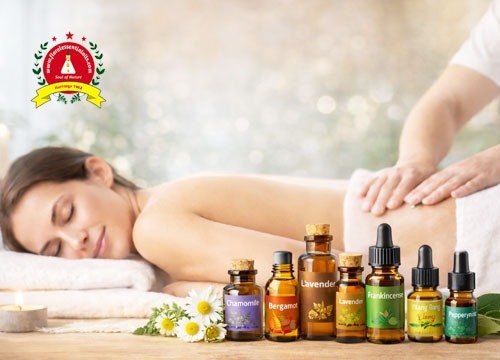
Massage is a proven way to reduce stress and tension, especially when combined with aromatherapy. According to aromatherapy experts, adding essential oils to massage can greatly enhance relaxation. In fact, a recent review noted that “most essential oils use decreased stress and negative emotions”, and specialists confirm that “essential oils can be a powerful addition to massage therapy for stress, tension, anxiety, and pain”. In practice, the soothing scents of these oils trigger the brain’s limbic system and promote calm. Below we list the top essential and carrier oils that are best for massage and stress relief. Each oil can help melt away stress, ease muscle tension, and leave your skin soft and nourished.For example, UCLA experts note that lavender’s scent interacts with GABA pathways to quiet the mind and improve sleep.
Top 7 Essential Oils for Massage and Stress Relief
1. Lavender Essential Oil (Lavandula officinalis)
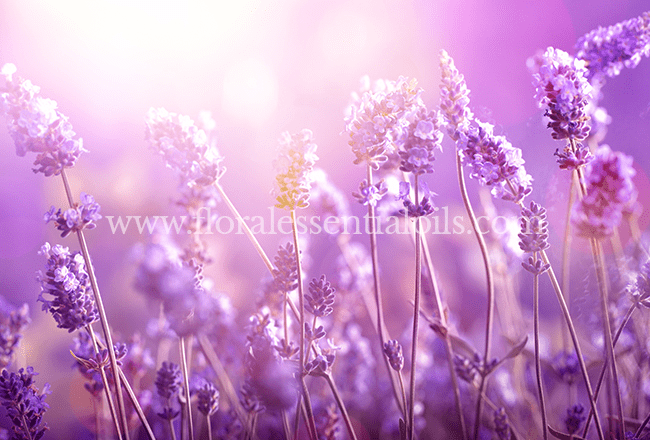
Lavender is perhaps the most famous calming oil. Its compounds (like linalool and linalyl acetate) are rapidly absorbed through the skin during massage and act on the nervous system. Research confirms lavender’s sedative, anxiolytic and antidepressant effects, helping to relieve tension and anxiety. One source notes lavender “is good for relieving tension, stress, [and] soothing the nerves”. Aromatherapy practitioners often use lavender in massage blends to ease muscle soreness and promote relaxation.
2. German Chamomile Essential Oil (Matricaria chamomilla)
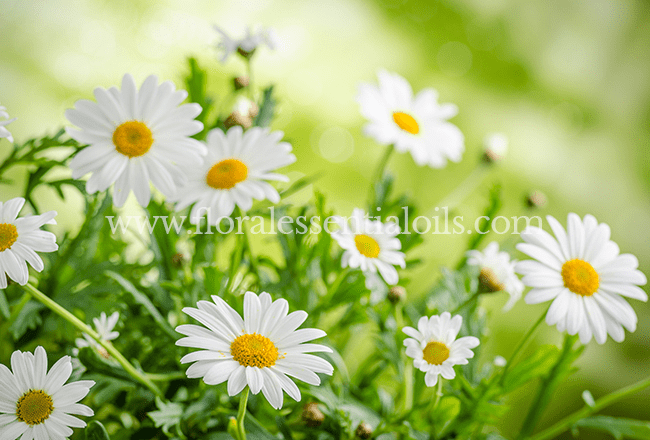
Chamomile (German/blue chamomile) is prized for its gentle, calming effect. Clinical studies found chamomile aromatherapy significantly reduced stress and anxiety levels and even lowered cortisol in test subjects. In product literature, German chamomile is described as “excellent for anxiety and stress” and noted for its anti-inflammatory and sedative properties. In massage it helps soothe inflamed muscles and calms the mind, making it ideal for nervous tension or grief. (Caution: true blue German chamomile is deep blue and very concentrated, so it’s typically diluted well below 1%.)
3. Bergamot Essential Oil (Citrus bergamia)
Bergamot is a citrus oil with potent mood-lifting effects. Clinical aromatherapy studies report that inhaling bergamot significantly reduces anxiety, stress and even lowers blood pressure and heart rate in tense individuals. Its fresh, uplifting aroma makes it a popular choice for massage blends aimed at mental fatigue or emotional tension. (Note: like other citrus oils, bergamot should be used at low dilutions to avoid skin sensitivity in the sun.)
4. Frankincense Essential Oil (Boswellia serrata/carterii)
Frankincense oil has been used for millennia for meditation and relaxation. The Floral Essential Oils catalog highlights its nervous system effects: “elevating yet soothing on the emotions… instils peace and calm… alleviates stress-related conditions”. Scientific reviews note frankincense produces an “elevating yet calming” feeling that helps past anxieties fade. In a massage, its warm, spicy-woody scent can enhance mindfulness and reduce both physical pain and emotional stress. Frankincense is often blended with lavender or chamomile for deep relaxation.
5. Cedarwood Essential Oil (Cedrus or Juniperus spp.)
Cedarwood oil is rich in cedrol, a compound with well-documented sedative effects. Aromatherapists prize cedarwood for its grounding and tranquilizing properties, making it excellent for bedtime massage or anxiety. It also has anti-inflammatory activity, so it can soothe achy muscles and joints after exercise. Try adding cedarwood to a warming massage blend or diffuser to wind down tension.
6. Ylang-Ylang Essential Oil (Cananga odorata)
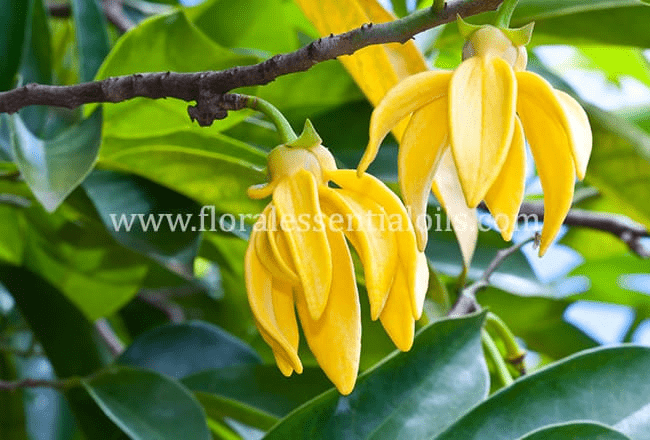
Ylang-ylang is an exotic floral oil known for balancing emotions and promoting relaxation. The product description emphasizes that it “perfectly works for balancing the emotions and reducing stress and anxiety”. Its sweet, sensual scent can help calm rapid heartbeat and ease anger while its antidepressant effects uplift mood. Massage therapists use ylang-ylang to soothe both the mind and body – it may even help blood pressure and heart rate return to normal. Ylang-ylang blends well with lavender and sandalwood for a deeply relaxing massage oil.
7. Peppermint Essential Oil (Mentha arvensis)
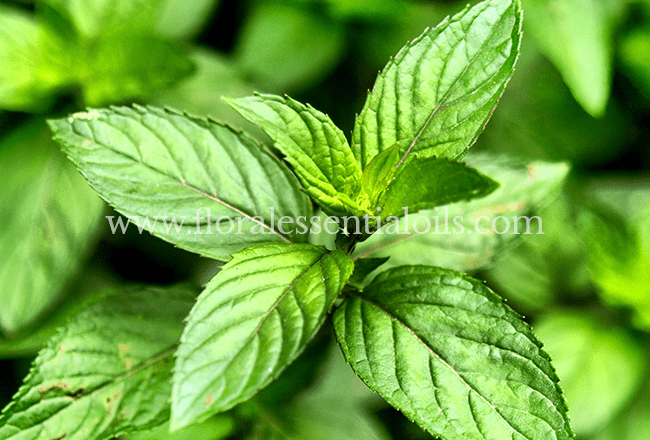
Peppermint oil is invigorating yet surprisingly helpful for stress relief. It contains menthol, which gives it a cooling “analgesic” effect that relieves sore muscles and joint pain. In massage, peppermint is often added for muscle aches or tension headaches. Its crisp scent sharpens the mind; one study even found peppermint inhalation improves alertness and memory. This makes it a good counterbalance in blends: combine peppermint (for muscle relief) with lavender or chamomile (for calm) to fight both stress and fatigue.
How to Use Essential Oils for Massage
1. Dilute in a carrier oil
Never apply pure essential oils (neat) to skin. Always add them to a carrier oil (like coconut, jojoba or sweet almond) before massage. For adults, a 2% dilution is a general guideline: about 12 drops of essential oil per 30 mL (1 fl oz) of carrier. (This can be increased slightly for short massages; some practitioners use up to 3–4% on limited areas.) For children or sensitive skin, use only 1% or less. Mix well. One handy tip is 2 drops of oil per teaspoon of carrier.
2. Perform a patch test
Before a full massage, test your blend on a small skin area. Check for redness or itching over 24 hours. If irritation occurs, dilute more or choose a gentler oil.
3. Apply gently
Warm the diluted oil blend in your palms and rub it in with long, smooth strokes over the target area. Common techniques: kneading muscles, long effleurage strokes, or circular motions on joints. Inhale as you massage; the scent of the oil contributes to relaxation. According to experts, components like linalool in lavender are absorbed within minutes and begin acting on the nervous system.
4. Consider timing
Some oils (lavender, chamomile, ylang-ylang) are especially suited for evening massage to promote sleep. Others (bergamot, peppermint) can be used any time to boost mood or relieve tension. Even brief inhalation (e.g. diffusing bergamot for 10 minutes) has been shown to lower stress markers.
Benefits of Massage with Essential Oils
1. Deep relaxation & stress relief
Essential oil massage targets both body and mind. Oils like lavender, bergamot, chamomile and ylang-ylang have proven anxiolytic effects. They help lower cortisol and calm nerves, reducing the fight-or-flight response. Patients receiving lavender or bergamot aromatherapy report less anxiety and deeper sleep.
2. Muscle pain and inflammation relief
Many oils offer analgesic and anti-inflammatory benefits. Peppermint’s menthol soothes sore muscles and headaches. Eucalyptus, chamomile and cinnamon oils are also noted to help “reduce pain and inflammation” in massage studies. These oils increase local blood flow and relax muscle spasms.
3. Improved circulation and mood
Massage alone boosts circulation; adding aromatics can enhance the effect. Oils like citrus (bergamot, lemon) can raise mood and alertness, while woody scents (cedarwood, frankincense) ground and soothe. Elevated mood and reduced stress together create a stronger sense of well-being.
4. Skin and health support
Diluted essential oils also benefit skin: many are antiseptic or nourishing. For example, lavender and frankincense help heal skin, while carrier oils like almond add Vitamin E. The overall ritual, gentle touch plus pleasant fragrance promotes total-body relaxation, which can indirectly lower blood pressure and boost immunity.
Precautions and Tips
1. Patch-test and dilute:
As noted, always blend oils well before use to avoid irritation. A 2% dilution is typically safe for most adults. Be extra cautious with sensitive skin or children (use ≤1%).
2. Mind phototoxic oils:
Some citrus oils (like bergamot, lemon) can cause sunburn if not used at very low dilutions. Follow dilution charts (bergamot max ~2%) and avoid sun exposure on treated skin for 12–24 hours.
3. Avoid eyes and broken skin:
Keep oils away from eyes, mucous membranes and open wounds. If accidental contact occurs, flush with carrier oil (not water).
4. Consult a professional for conditions:
If you have allergies, high blood pressure, pregnancy, or medical conditions, check with a healthcare provider before use.
5. Use high-quality oils:
Floral Essential Oils provides 100% pure, steam-distilled oils without additives. Pure oils maximize therapeutic benefits and minimize risk of irritation. Look for reputable sources and organic certification when possible.
Conclusion
Using essential oils in massage can greatly enhance relaxation and stress relief. The “best oils for massage” lavender, chamomile, bergamot, frankincense, cedarwood, ylang-ylang and peppermint each bring unique benefits for mind and body. Scientific studies and aromatherapy experts confirm their abilities to calm anxiety, ease muscle tension, and improve mood. When blended safely in a carrier oil, these oils turn a routine massage into a powerful therapeutic experience. Try one or a combination of these oils on your next massage session to feel more relaxed and balanced.
Frequently Asked Questions (FAQs)
1. Which essential oil is best for a relaxing massage?
For pure stress relief, lavender is often number 1, it’s clinically shown to improve sleep and reduce anxiety. Chamomile and bergamot are excellent for calming nerves and stress. For muscle relaxation in the blend, adding peppermint or eucalyptus can ease aches.
2. How do I dilute oils for massage?
The standard is about 2% dilution for adults: roughly 12 drops of essential oil per 30 mL (1 oz) of carrier oil. For children or very sensitive people, use just half that (6 drops per ounce, ~1%). Always measure carefully and mix well.
3. Can I use essential oils directly on the skin?
No, applying undiluted (“neat”) oils risks irritation and sensitization. Even gentle oils like lavender should be diluted as shown above. Add them to a carrier oil or lotion first.
4. How should I prepare a massage oil blend?
Pick a carrier oil (sweet almond, coconut, jojoba, etc.) and add your essential oils. For example, for a 2% blend: 10 drops lavender + 2 drops peppermint in 1 fl oz of carrier. Warm it in your palms, then apply. Work from the center of the muscle outward in long strokes, using gentle pressure. Inhale deeply to gain aromatherapeutic benefit as you massage.
5. Can men use floral oils, or are they only for “spa”?
Absolutely. Essential oils like cedarwood, peppermint, frankincense and bergamot are often preferred by men for their grounding, woody or crisp aromas. These oils have all the same stress-relief benefits. The act of massage itself improves circulation and relaxation for anyone.