If you’ve ever Googled “does tea tree oil shrink pores,” you’re not alone. Millions of people search for natural, affordable ways to tighten their skin and reduce the appearance of enlarged pores. Tea tree oil is one of the most talked-about ingredients in natural skincare but does it actually deliver?
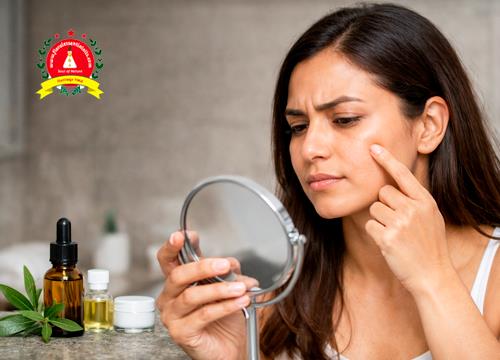
The short answer: yes, and no. Tea tree oil doesn’t physically shrink pores permanently. However, it can make them appear smaller by tackling the root causes of enlarged pores. This includes excess oil, clogged debris, inflammation, and acne-causing bacteria.
Let’s dig into the science, the benefits, and exactly how to use tea tree oil for pores the right way.
What Is Tea Tree Oil, Exactly?
Tea tree oil is a natural essential oil extracted from the leaves of Melaleuca alternifolia, a plant native to Australia. Aboriginal Australians have used it for centuries as a traditional remedy. Today, it’s one of the most widely used ingredients in skincare products around the world.
What makes tea tree essential oil so powerful? It’s loaded with a compound called terpinen-4-ol. This is the active ingredient responsible for most of its antimicrobial, antibacterial, and anti-inflammatory effects.
Here’s what tea tree oil is used for in modern skincare:
- Fighting acne and breakouts
- Reducing skin redness and inflammation
- Controlling excess sebum (oil) production
- Managing skin fungus and infections
- Soothing irritated or sensitive skin
Why Do Pores Appear Enlarged in the First Place?
Before we answer whether tea tree oil helps pores, it helps to understand what causes them to look big. Pores are tiny openings in the skin. Each one connects to a hair follicle and a sebaceous (oil) gland underneath.
Pores appear larger when:
- Excess sebum stretches the pore walls
- Dead skin cells and debris clog and widen pores
- Inflammation or acne causes swelling around the pore
- Loss of skin elasticity from sun damage or aging
- Genetics – some skin types simply have larger pores
This is where tea tree oil for skin becomes relevant. It works on several of these causes at once.
Does Tea Tree Oil Shrink Pores? Here’s the Science
Technically, you cannot permanently shrink a pore. Pore size is largely determined by genetics and skin type. However, you can significantly reduce their appearance and that’s where tea tree oil shines.
How Tea Tree Oil Reduces Visible Pore Size
1. It controls excess oil production. Oily skin is one of the main reasons pores look enlarged. Tea tree oil has natural astringent properties that help regulate sebum production. Less oil means pores aren’t being stretched open by excess grease.
2. It kills acne-causing bacteria. Cutibacterium acnes (formerly P. acnes) is the main bacterium behind breakouts. When bacteria colonise a pore, inflammation follows – and inflamed pores look much bigger. Tea tree oil’s antibacterial action targets this bacteria directly, helping reduce pimples and the swollen pores that come with them.
3. It reduces inflammation. Terpinen-4-ol, the key active compound in tea tree oil, has well-documented anti-inflammatory properties. By calming the skin around the pore, pores naturally appear tighter and less prominent.
4. It keeps pores clear. When pores are clogged with oil and dead skin, they stretch and become visible. Tea tree oil’s antimicrobial properties help keep the inside of pores clean and clear, which makes them look smaller.
Several studies back this up. Research published in a peer-reviewed journal found that tea tree oil was effective in treating mild-to-moderate acne lesions, which indirectly contributes to visibly smaller-looking pores.
Tea Tree Oil Benefits for Skin: Beyond Just Pores
Tea tree oil does far more than reduce the appearance of enlarged pores. Here’s a look at the full range of benefits of tea tree oil for skin:
1. Fights Acne and Pimples
This is probably what most people know it for. Tea tree oil for pimples works by killing the bacteria that cause breakouts. Multiple studies confirm that a 5% tea tree oil gel can reduce acne lesions significantly. It’s gentler than benzoyl peroxide and causes less dryness and irritation for many people.
2. Reduces Oiliness
Because tea tree oil is a natural astringent, it helps tone and tighten the skin’s surface. This is especially useful for people with oily or combination skin who struggle with midday shine and greasy texture.
3. Soothes Inflammation and Redness
Tea tree oil is a natural anti-inflammatory. If your skin looks red, irritated, or puffy – especially around breakout areas diluted tea tree oil can calm things down quickly.
4. Treats Skin Fungus
One of the lesser-known uses for tea tree oil is fighting fungal skin conditions. Tea tree oil for skin fungus is effective due to its strong antifungal compounds, making it useful for conditions like athlete’s foot and ringworm when applied topically.
5. Helps with Skin Tags
Many people use tea tree oil for skin tags as a natural, non-invasive option. While clinical evidence is limited, anecdotal reports suggest that consistent topical application can cause skin tags to dry out and fall off over time.
6. Supports Wound Healing
Small wounds and minor cuts may heal faster with diluted tea tree oil. Its antibacterial effect helps prevent infection while supporting the natural healing process.
7. Controls Dandruff and Scalp Conditions
Tea tree oil benefits extend beyond facial skin. A 5% concentration has been shown to reduce dandruff by around 41% over four weeks, making it a popular ingredient in scalp care products.
How to Use Tea Tree Oil for Pores and Pimples
The most important rule: always dilute tea tree oil before applying it to skin. It is a highly concentrated essential oil. Using it undiluted can cause redness, burning, and irritation.
Step-by-Step Guide: Tea Tree Oil for Skin Care
Step 1: Choose a carrier oil. The best options are jojoba oil, rosehip oil, or argan oil. These are non-comedogenic, meaning they won’t clog pores. Avoid coconut oil – it can cause breakouts in some skin types.
Step 2: Mix the ratio correctly. A safe dilution ratio is 1 part tea tree oil to 9–10 parts carrier oil. For example, add 2–3 drops of tea tree essential oil to 1 teaspoon of jojoba oil.
Step 3: Patch test first. Apply the diluted mixture to a small area on your inner arm. Wait 24 hours. If there’s no redness or irritation, it’s safe to use on your face.
Step 4: Apply to clean skin. Wash your face with a gentle cleanser first. Pat dry. Then apply the diluted tea tree oil to affected areas using a cotton pad or your fingertips.
Step 5: Use once or twice daily. For best results with pores and acne, use it once in the morning and once at night. It works well as a spot treatment for pimples, or as part of your overall facial routine.
Step 6: Be consistent. Results don’t happen overnight. Give it at least 4–8 weeks of consistent use before judging the results.
Is Tea Tree Oil Good for Acne? What Research Says
The short answer: yes, it is. Studies consistently support the use of tea tree oil for acne treatment, particularly for mild to moderate breakouts.
One frequently cited study compared a 5% tea tree oil gel to a 5% benzoyl peroxide lotion in treating acne. Tea tree oil worked more slowly, but it caused significantly fewer side effects like dryness, flaking, and irritation.
Curology, a well-known skincare platform, notes that tea tree oil is a broad-spectrum antimicrobial, meaning it fights bacterial, viral, fungal, and even protozoal infections. For acne specifically, this means it targets the root cause rather than just masking symptoms.
So if you’re asking “is tea tree oil good for acne?” Yes, particularly if you’re looking for a natural, gentler alternative to harsher chemical treatments.
Does Tea Tree Oil Help with Skin Whitening?
This is a popular question, especially in South Asian markets. Tea tree oil for skin whitening is not its primary function, and it does not act as a bleaching agent. However, it can help improve skin tone over time by:
- Reducing post-acne dark spots through its anti-inflammatory action
- Preventing new breakouts that lead to hyperpigmentation
- Controlling oiliness that can make skin look dull
For brighter skin, combine tea tree oil with a vitamin C serum or rosehip oil, both of which have more direct brightening effects.
Diluted Tea Tree Oil for Skin: Safety Tips
Tea tree oil is generally safe for topical use when diluted properly. However, keep these safety tips in mind:
- Never swallow tea tree oil. It is toxic when ingested.
- Keep it away from eyes. If contact occurs, rinse immediately with water.
- Avoid use on broken or severely irritated skin. This can increase absorption and cause irritation.
- Do a patch test before first use, especially if you have sensitive skin.
- Pregnant or breastfeeding? Consult your doctor before using essential oils.
- Children under 6 years old should not use tea tree oil without medical guidance.
If you experience persistent redness, stinging, or a rash, discontinue use and consult a dermatologist.
Best Essential Oils to Pair with Tea Tree Oil for Open Pores
Tea tree oil works even better when combined with other pore-minimising essential oils. Some excellent options include:
- Lavender oil — Soothes inflammation and complements tea tree’s antibacterial action
- Frankincense oil — Promotes skin cell regeneration and helps tighten skin
- Lemon oil — Natural astringent that can reduce visible pore size (use only at night as it’s photosensitive)
- Geranium oil — Balances sebum production and tones the skin
Frequently Asked Questions (FAQ)
Q1: Does tea tree oil shrink pores permanently?
No, pore size cannot be permanently reduced. However, tea tree oil can make pores appear significantly smaller by clearing out buildup, controlling oil, and reducing inflammation. Consistent use gives the best visual results.
Q2: How long does it take for tea tree oil to work on pores?
Most people start to see improvement in skin texture and oiliness within 2–4 weeks. For noticeable improvement in acne and pore appearance, allow 6–8 weeks of consistent daily use.
Q3: Can I apply tea tree oil directly to my skin?
No, you should never apply undiluted tea tree oil directly to skin. Always mix it with a carrier oil first (1–2 drops per teaspoon of carrier oil) to avoid irritation, burning, or allergic reactions.
Q4: Is tea tree oil good for all skin types?
Tea tree oil is most beneficial for oily, acne-prone, and combination skin types. People with dry or sensitive skin should use it with extra caution and at a lower dilution ratio. It is generally not recommended for very dry or eczema-prone skin without dermatologist guidance.
Q5: What is tea tree oil used for besides pores?
Tea tree oil has a wide range of uses including treating pimples and acne, controlling dandruff, fighting skin fungus, soothing insect bites, supporting wound healing, and managing skin tags. It’s one of the most versatile natural essential oils available.
The Bottom Line: Should You Try Tea Tree Oil for Pores?
Tea tree oil won’t permanently change your pore size – no product can. But it is genuinely effective at making pores look smaller, clearer, and less noticeable. It does this by controlling oil, killing bacteria, calming inflammation, and keeping pores clean.
For anyone dealing with oily skin, acne, or enlarged-looking pores, adding a quality, pure tea tree essential oil to your skincare routine is absolutely worth trying.
The key is to use it correctly – diluted, consistently, and alongside a good basic skincare routine.
Also, don’t miss our complete guide on the best essential oils to minimize open pores naturally for a full natural pore-care routine.