Lemon essential oil has been sitting quietly in wellness circles for decades. But lately, more people are asking real questions. What do lemon essential oil benefits actually look like? Is it just a nice smell, or does it genuinely do something?
The good news: science is starting to back it up. Studies point to real antimicrobial, antioxidant, and mood-lifting properties. So whether you’re curious about skin care, energy, or home use – this guide covers it all.
Let’s break it down clearly and honestly.
What Is Lemon Essential Oil?
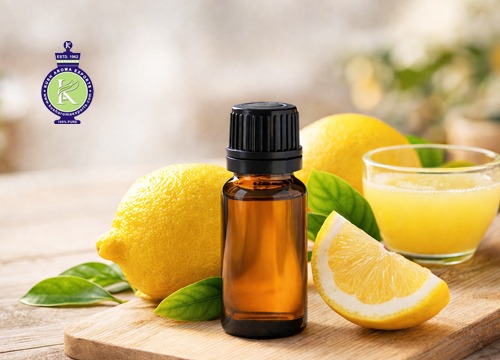
Lemon essential oil comes from the cold-pressed peel of fresh lemons (Citrus limon). This process preserves the volatile compounds that give it its sharp, citrusy scent.
The main active component is d-limonene, which makes up over 60% of the oil. This compound is linked to antioxidant, anti-inflammatory, and antimicrobial activity.
It is different from lemon juice. You don’t drink it. Instead, you diffuse it, dilute it in a carrier oil, or add it to DIY products.
Is Lemon Essential Oil Actually Good for You?
Short answer: yes — when used correctly.
Studies have shown that lemon essential oil has promising therapeutic potential as a natural agent. That said, it is not a cure-all. According to medical resources, it works best as a supportive tool alongside a healthy lifestyle. Now, let’s look at the specific benefits you’re probably here for.
8 Lemon Essential Oil Benefits You Should Know
1. Helps Reduce Sweating and Body Odour
Nobody wants to talk about sweat. But lemon oil might help.
Its natural antibacterial properties target the bacteria responsible for body odour. When applied (properly diluted) to pulse points or feet, it can reduce microbial activity on the skin.
Additionally, its astringent nature may help regulate sweat gland activity. It won’t stop sweating entirely and that’s actually healthy. But it can keep you feeling fresher for longer.
2. Natural Solution for Tightening Open Pores
Large or visible pores are one of the most common skin concerns. Lemon essential oil’s astringent properties can temporarily tighten the appearance of pores.
It also helps remove excess sebum (skin oil) that stretches pores open. When used in a diluted toner or face serum, it can leave skin looking smoother and more refined.
However, always dilute it. Undiluted lemon oil on skin is too harsh and can cause irritation.
3. Sharpens Focus During Study Sessions
This is where aromatherapy science really shines.
Research shows that lemon oil aromatherapy can improve alertness, concentration, and cognitive performance. The d-limonene in lemon oil stimulates the brain in a way that promotes mental clarity without the jitters of caffeine.
Simply diffuse a few drops during work or study. Many students and professionals swear by it, and the studies back them up.
Furthermore, it can help reduce mental fatigue after long hours of screen time.
4. A Natural Morning Energy Boost
Forget the second cup of coffee. Try lemon oil in your diffuser first.
Its bright, uplifting scent signals the brain to feel more awake and positive. This is not just anecdotal. Studies on citrus aromatherapy show measurable improvements in mood and perceived energy levels.
A morning diffuser blend of lemon, peppermint, and rosemary can completely transform how you start the day. It’s clean, refreshing, and takes about 30 seconds to set up.
Moreover, starting your morning with a natural scent can lower cortisol levels, reducing that groggy, anxious feeling.
5. Supports Your Detox Routine
Lemon oil is often linked to detoxification, but let’s be precise about what that means.
Your liver and kidneys do the actual detox work. However, lemon essential oil can support that process indirectly. When added to a carrier oil and massaged into the skin, it may improve lymphatic drainage and circulation.
Some people also use it in diffusers to create a cleansing environment. The antimicrobial properties of lemon oil additionally make it a great choice for purifying indoor air.
Additionally, in cleaning products, it can replace harsh chemical sprays, which is a genuine form of reducing your toxic load at home.
6. Elevates Your Mehendi Paste
Here’s a benefit most people haven’t heard about and it’s a game-changer.
Adding a few drops of lemon essential oil to your henna (mehendi) paste helps the dye release more effectively. The natural terpenes in lemon oil work with the lawsone molecule in henna to deepen the stain.
The result? Darker, longer-lasting mehendi that develops beautifully on the skin. Many professional mehndi artists already use it as a secret ingredient.
It also adds a subtle, pleasant fragrance to the paste.
7. Fights Pigmentation and Uneven Skin Tone
This is one of the most sought-after lemon essential oil benefits for skin and it deserves a careful explanation.
Lemon oil contains natural compounds that may inhibit melanin production. In simple terms, it can help fade dark spots and even out skin tone over time.
However, it is phototoxic. This means if you apply it to skin and then step into sunlight, it can actually worsen pigmentation and cause burns. Always use it at night or avoid sun exposure after application.
When used correctly- diluted in a carrier oil, applied in the evening, it can make a noticeable difference over weeks of consistent use.
8. Gentle Underarm Care
Lemon oil’s antibacterial and mild astringent properties make it a popular natural choice for underarm care.
It can help neutralise odour-causing bacteria without the aluminium compounds found in many commercial deodorants. Many people are switching to natural underarm routines, and lemon oil fits in naturally.
A simple recipe: mix 2–3 drops of lemon oil with coconut oil and apply to clean underarm skin. It’s gentle, effective, and free from harsh chemicals.
Note: Avoid using it right after shaving. The skin is more sensitive then, and the oil can sting.
Lemon Essential Oil Benefits for Skin – A Closer Look
Skin benefits deserve their own spotlight. Here’s what lemon oil can do for your face and body:
- Brightening: Helps fade dull, tired-looking skin over time
- Acne control: Antimicrobial properties target acne-causing bacteria
- Sebum regulation: Reduces oiliness on combination and oily skin types
- Anti-ageing support: Antioxidants combat free radical damage that speeds ageing
- Pore refinement: Astringent effect helps minimise the look of enlarged pores
Always dilute lemon oil to at least a 1% concentration (about 6 drops per 30ml of carrier oil) before applying to skin.
Lemon Essential Oil in the Diffuser – Benefits You’ll Notice
Diffusing lemon essential oil is one of the easiest ways to experience its benefits. Here’s what to expect:
- Mood lift: The citrus scent activates positive emotional responses in the brain
- Air purification: Antimicrobial vapour helps reduce airborne bacteria
- Mental clarity: Improves alertness and focus almost immediately
- Stress relief: Lemon aromatherapy is linked to lower anxiety in several studies
- Odour elimination: Neutralises stale or unpleasant household smells
A good starting point: 4–5 drops in a diffuser for 30–60 minutes. Don’t over-diffuse. Moderation works best.
How to Use Lemon Essential Oil Safely
Safety matters as much as benefits. Follow these simple rules:
- Always dilute before applying to skin (never use neat/undiluted)
- Avoid sun exposure for 12–18 hours after topical use (phototoxicity risk)
- Do a patch test first — apply to a small area, wait 24 hours
- Keep away from eyes, ears, and mucous membranes
- Don’t ingest without medical supervision
- Store in a dark, cool place — lemon oil oxidises quickly when exposed to light and heat
Lemon essential oil is generally safe for adults. Use extra caution with children, pregnant women, and those with sensitive skin.
Possible Side Effects
Like any natural remedy, lemon essential oil can cause issues if misused:
- Skin irritation — if undiluted or used in high concentration
- Photosensitivity — sun exposure after topical use can cause burns or dark patches
- Allergic reactions — rare but possible, especially in those with citrus allergies
- Headaches — from prolonged or excessive diffusing
If you notice any unusual reaction, discontinue use and consult a dermatologist.
FAQ: Lemon Essential Oil Benefits
What is lemon essential oil good for?
Lemon essential oil is good for boosting mood, improving focus, supporting skin health, fighting body odour, and purifying indoor air. It has scientifically backed antimicrobial and antioxidant properties.
Can I add lemon essential oil to water?
You should not add essential oils to water for drinking unless the product is specifically food-grade and you’re following professional guidance. Essential oils don’t dissolve in water and can irritate the digestive lining.
What does lemon essential oil do in a diffuser?
In a diffuser, lemon essential oil uplifts mood, improves mental clarity, purifies air, and neutralises odours. It’s one of the most commonly diffused oils for a reason — the effects are quick and noticeable.
Is lemon essential oil safe for skin?
Yes, but only when diluted in a carrier oil. Undiluted use can cause irritation or burns. Also avoid sun exposure after applying it topically.
What are lemon essential oil’s spiritual benefits?
Many traditions associate lemon oil with clarity, purification, and positivity. It is often used in meditation, cleansing rituals, and intention-setting practices to promote a clear, focused mindset.
Bring Lemon Essential Oil Into Your Daily Life
Lemon essential oil is one of the most versatile oils you can keep at home. From your morning routine to your skincare shelf to your diffuser, it genuinely earns its place.
The science is clear. The benefits are real. And using it doesn’t have to be complicated.
Start small. Diffuse it in the morning. Add a drop to your mehendi paste. Try it in your natural deodorant recipe. Then build from there.