Hormonal balance is crucial for overall health, impacting mood, metabolism, and wellbeing. Essential Oils for Hormonal Balance can help support your body’s natural hormone levels in a gentle, natural way. When hormones such as estrogen, progesterone, and cortisol are out of balance, we may experience symptoms like mood swings, fatigue, or menstrual discomfort. This imbalance can occur at many life stages during puberty, pregnancy, postpartum, perimenopause or simply times of stress. Many people seek natural remedies to ease these symptoms, and aromatherapy is one option. Essential oils are the aromatic extracts of plants that carry potent chemical constituents; when inhaled or absorbed through the skin, they can interact with the body’s endocrine system. This article explores how oils can aid hormone health, which oils are best, and how to use them safely.
Fortunately, aromatherapy can help address some of these issues. Essential oils are rich in bioactive molecules: for instance, clary sage oil contains naturally occurring phytoestrogens that can mimic or modulate estrogen activity. Oils also influence the nervous system; by reducing stress or improving sleep, they help keep hormones in check. In short, essential oils for hormones work indirectly by creating an environment of balance and wellness. By using certain oils regularly, many people find relief from symptoms like PMS cramps, menopausal hot flashes, and chronic stress.
Hormones are chemical messengers that travel through the bloodstream to regulate processes like reproduction, metabolism, and mood. The endocrine glands (thyroid, adrenals, ovaries/testes, etc.) produce these hormones, so any disruption in these glands can ripple through your health. For example, excess estrogen may lead to heavy periods or PMS, while low progesterone can cause insomnia or mood swings. In men, imbalances of testosterone or thyroid hormones can result in fatigue, low sex drive, or depression.
How Essential Oils May Support Hormone Balance
Essential oils enter the body mainly through inhalation or skin absorption. When you inhale an oil’s scent, its molecules quickly travel to the brain’s limbic system the part that controls emotions and endocrine signaling. Topical application (with a carrier oil) allows the oils to seep through the skin and into circulation. Once absorbed, some oils can influence hormone pathways. Thyme oil has been found to boost progesterone levels in women.
Many essential oils also act as gentle mood-lifters. Since stress can throw hormones out of balance (high cortisol disrupts the thyroid and reproductive hormones), oils that relieve anxiety and improve sleep have an indirect hormone-balancing effect.
Because the skin is our largest organ, topical use is very effective. When mixed into a carrier oil (like jojoba or coconut), essential oil molecules (which weigh <1000 Da) can pass through the skin into the bloodstream. In fact, one holistic practitioner recommends a DIY hormone-balancing serum of clary sage and thyme, applied to the skin twice daily, to “balance out estrogen” and support progesterone production. Even simply inhaling these oils (by sniffing the bottle or using a personal inhaler) can help trigger their hormone-related effects via the brain.
Best Essential Oils for Hormonal Balance
Some essential oils are particularly celebrated for hormone support. Aromatherapists often refer to clary sage, fennel, lavender, sandalwood, and thyme as key “hormone-balancing essential oils”. Here are the top picks:
- Clary Sage (Salvia sclarea):
Often called a “female hormone herb,” clary sage is enriched with linalyl acetate and phytoestrogens. It’s famous for balancing estrogen levels and reducing stress. Research shows inhaling clary sage can significantly drop cortisol and improve mood in women. Women use it during PMS or menopause to ease cramps and anxiety. A few drops diffused or applied (diluted) to the lower belly or neck can relieve menstrual pain and hot flashes. - Thyme:
Thyme essential oil is prized for supporting progesterone. In both men and women, low progesterone can cause irregular cycles, anxiety, and weight gain. Thyme oil has been shown to increase progesterone production naturally. Add 2–3 drops to a warm bath or dilute and massage into the lower abdomen around ovulation or PMS for hormonal support. Thyme’s invigorating aroma can also help combat fatigue. - Lavender:
Lavender oil doesn’t target one hormone, but it powerfully calms the nervous system. By lowering stress and improving sleep quality, lavender helps keep cortisol and other hormones on track. Diffuse 5 drops of lavender oil in the bedroom each night, or add it to a bedtime bath. You can also dilute it (1-2 drops) on your temples or wrists to soothe anxious thoughts. People with PMS often report that lavender aromatherapy reduces mood swings and headaches during their cycle. Its gentle effect makes lavender suitable even for children or sensitive individuals. - Sandalwood:
The warm, woody scent of sandalwood triggers a relaxation response. Sandalwood used to increase sexual vitality and calm the mind, indirectly supporting endocrine balance. By reducing tension, sandalwood oil lowers stress hormones and can make libido support therapies more effective. It’s a popular ingredient in hormone-support blends for its centering effect. - Rose Geranium:
Rose oil, sometimes called an aphrodisiac, can help balance testosterone and cortisol. Simply inhaling the scent of rose or geranium via a diffuser or a sniff of the oil bottle—can induce calmness. A drop in your palms (then inhale deeply) or on a cloth can relieve stress. - Frankincense:
Known for spiritual uses, frankincense also helps with hormone balance. It can support thyroid function and reduce inflammation. Diffuse frankincense oil or apply it over the thyroid area (front of neck) with a carrier oil. This may help regulate metabolism and mood during hormonal shifts. Women often inhale frankincense to ease menopausal headaches and anxiety. - Peppermint:
Refreshing peppermint oil can relieve hormone-related headaches and nausea. Diffusing peppermint or dabbing a drop (diluted) on the temples can quickly clear a mind affected by PMS fog. While peppermint is not a balancing oil per se, it alleviates uncomfortable symptoms so that stress doesn’t compound hormone issues.
These oils are not a miracle cure, but they can complement a healthy lifestyle. Try incorporating one or two into your daily routine (morning and night) to gradually notice benefits.
How to Use Essential Oils for Hormone Balance
To get the most out of hormone-balancing oils, use them thoughtfully:
- Topical Application:
Always dilute essential oils in a carrier oil (like jojoba, coconut, or sweet almond). A safe dilution is about 1–2% (roughly 1-2 drops of essential oil per teaspoon of carrier). Apply blends to pulse points and problem areas. Good targets include the wrists, temples, back of the neck, and along the spine. For menstrual discomfort, massage diluted clary sage or lavender into the lower abdomen or back. - Where to apply essential oils for hormone balance:
Focus on areas associated with hormone glands. The abdomen (over the ovaries/testes) and lower back (kidney/adrenal region) are key for reproductive hormones. The neck/throat area (near the thyroid and pituitary) is also important—gently applying diluted frankincense or clary sage there can support thyroid and pituitary balance. Anecdotally, many aromatherapists suggest applying oils to the soles of the feet before bed; the feet absorb oils well, and this can induce whole-body relaxation. - Inhalation/Diffuser:
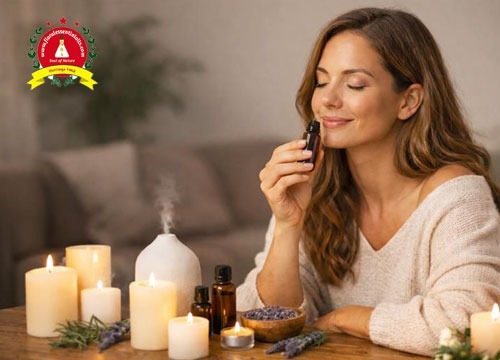
Diffusers disperse oils into the air for gentle inhalation. Add 3–5 drops of lavender, sandalwood, or clary sage to a diffuser and enjoy 15–30 minutes of aromatherapy. Even brief inhalation can help: carry a small inhaler tube with you, or simply take 3-5 deep sniffs from the bottle when stressed. - Bath:
A warm bath with essential oils is wonderfully relaxing. Mix 5–10 drops of a hormone-support blend with a cup of Epsom salt or milk (to emulsify) and add to the tub. Soak for 20 minutes. Oils like lavender, rose, and geranium are great in baths. This allows full-body absorption and respiratory benefits from steam. - Massage:
A full-body massage with hormone-balancing oils can double as stress relief. You might do a gentle self-massage of your arms and legs with lavender oil before sleep. Partner massages can also use these oils on the shoulders and neck to relieve tension. - How to Use Essential Oils for Hormone Balance:
Consistency matters. Use oils daily or whenever symptoms flare. Keep a journal: note which oil(s) you use and how you feel. Over a month, you may see improvements in cycle regularity, mood stability, or energy. Always start with small amounts (1-2 drops) and adjust. Some oils like peppermint can be strong, so use less of those.
Safety and Precautions
Essential oils are potent plant extracts. To use them safely:
- Dilute Properly:
Never apply undiluted (neat) oils to the skin. Mix oils with a carrier oil at 1–2% dilution. If you accidentally use too much, cover the area with coconut oil or clear fat, not water, to avoid spreading it. - Patch Test:
Before using a new oil blend, do a patch test. Apply a drop of diluted oil on the inner forearm. Wait 15-20 minutes. If you notice redness, itching or discomfort, dilute more or skip that oil. - Avoid Sensitive Areas:
Don’t put oils undiluted on sensitive areas (eyes, mucous membranes, or directly on genitals). Keep blends away from open wounds. If using oils on the abdomen, wear a cloth or tuck a layer of clothing over the area to prevent irritation. - Pregnancy:
During pregnancy (especially the first trimester), some oils are contraindicated. Clary sage, for instance, can stimulate uterine contractions in large doses. If pregnant or breastfeeding, consult a qualified aromatherapist or doctor. - Medical Conditions:
If you have hormone-sensitive conditions (like estrogen-positive breast cancer, endometriosis, PCOS, thyroid disorders), consult a healthcare provider before use. While oils can be supportive, they are not a substitute for medical treatment. - Interactions and Medications:
Some oils can interact with medications (for example, high-dose clary sage or peppermint might affect blood pressure meds or diabetes medications). Always discuss with a doctor or pharmacist if you’re on prescription drugs. - Quality Matters:
Use 100% pure essential oils from reputable companies. Quality varies widely. Floral Essential Oils offers pure, steam-distilled oils from trusted sources. For example, their Clary Sage Oil and Lavender Oil are undiluted and free of fillers, ensuring you get the full therapeutic benefit. Cheap or synthetic oils won’t be as effective and may irritate your skin.
By following these precautions, you can enjoy the benefits of hormone-balancing oils safely. Aromatherapy is generally very gentle, but mindfulness and quality are key.
Bringing It All Together
Balancing hormones naturally means treating the body as a whole. Essential oils are just one tool. Alongside oils, focus on diet (healthy fats, plenty of vegetables, and balanced protein), regular movement, and stress management (like yoga or meditation). Even sunshine (vitamin D) and sleep hygiene play big roles.
For example, some sources recommend adaptogenic herbs (ashwagandha, holy basil, rhodiola) to support stressed adrenal glands. While that’s beyond aromatherapy, it shows how multi-faceted hormone care can be. Similarly, essential oils complement these efforts by promoting calm and hormonal signaling.
The key takeaway is that essential oils for hormone balance can provide real benefits by targeting stress and mood (which influence hormones) and offering mild hormonal modulation. Clary sage and thyme oils directly engage reproductive hormones, while oils like lavender, rose, and sandalwood soothe the nervous system. Use them in ways that fit your routine: a diffuser in the morning, a calming roll-on at night, or an evening bath.
Each person’s body is unique. What works best may take some trial. If an oil blend isn’t helping, try a different combination. Many people keep a “hormone-balancing roller” (carrier oil + clary sage, lavender, geranium) handy to apply daily. Over time, you’ll learn which scents and routines support your cycle or mood the most. Essential oils are a gentle, natural means of supporting endocrine health. With informed use (and by consulting trusted sources), they can become part of your strategy for better mood, sleep, and overall wellbeing as your hormones change.