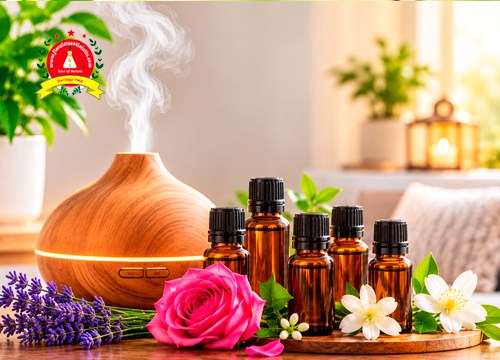
Choosing the best essential oils for diffuser use can transform the atmosphere of your home. From soft floral aromas to fresh citrus and refreshing herbal notes, essential oils offer a variety of fragrance experiences to suit different moods and preferences. However, selecting the right oil also depends on its aroma, intended use and compatibility with your diffuser.
In this guide, we explore 10 of the best essential oils for diffusers, along with easy blending ideas, practical usage tips and important safety considerations. You will also learn how to choose quality oils and identify 100% pure essential oils for your home fragrance needs.
What to Expect: From the gentle floral fragrance of Lavender to the fresh citrus notes of Lemon and Sweet Orange, each essential oil brings a distinct aroma to your space. Eucalyptus and Peppermint add crisp, refreshing fragrance, making them popular choices for everyday diffuser use. Explore the options below to find the right essential oils for your home.
How Does an Essential Oil Diffuser Work?
An essential oil diffuser releases aromatic compounds into the surrounding air. Depending on its design, it may use water, airflow, heat or ultrasonic vibrations to disperse fragrance throughout a room.
Here are four common types of diffusers:
- Ultrasonic Diffuser: Uses electronic vibrations to create a fine mist from water and essential oils. It is a popular option for home fragrance.
- Nebulizing Diffuser: Disperses essential oil into fine particles without adding water, producing a more concentrated aroma.
- Heat Diffuser: Uses gentle heat to release fragrance from essential oils. Heat may alter some delicate aromatic components.
- Reed Diffuser: Uses absorbent reeds to release fragrance gradually through natural evaporation. It does not require electricity or water.
For beginners, an ultrasonic diffuser can be a convenient option. However, the best choice depends on your room size, fragrance preference and the manufacturer’s instructions.
10 Best Essential Oils for Diffusers
Different essential oils offer different fragrance profiles. Some have soft floral notes, while others provide fresh citrus, herbal or woody aromas. Here are 10 popular options to consider for your home diffuser.
1. Lavender Essential Oil
Lavender Essential Oil is known for its soft, floral and herbaceous aroma. Its gentle fragrance makes it a popular choice for bedrooms, relaxation spaces and evening routines.
Aroma Profile: Soft, floral and herbal.
Best For: Bedrooms, reading corners and relaxing spaces.
2. Lemon Essential Oil
Lemon Essential Oil has a bright, fresh and zesty citrus aroma. It is a popular option for kitchens, living rooms and other spaces where a clean, refreshing fragrance is preferred.
Aroma Profile: Fresh, citrusy and crisp.
Best For: Kitchens, living rooms and common areas.
3. Sweet Orange Essential Oil
Sweet Orange Essential Oil offers a cheerful, sweet and fruity citrus fragrance. Its pleasant aroma works well in shared spaces and everyday home fragrance blends.
Aroma Profile: Sweet, fruity and citrusy.
Best For: Living rooms, dining areas and welcoming spaces.
4. Eucalyptus Essential Oil
Eucalyptus Essential Oil has a fresh, cool and distinctive herbal aroma. It is commonly used in refreshing fragrance blends and is a popular choice for creating a spa-inspired atmosphere.
Aroma Profile: Fresh, camphoraceous and herbal.
Best For: Bathrooms and well-ventilated relaxation spaces.
5. Peppermint Essential Oil
Peppermint Essential Oil is recognised for its strong, minty and cooling fragrance. Its crisp aroma makes it suitable for home offices and spaces where a fresh scent is preferred.
Aroma Profile: Minty, cool and refreshing.
Best For: Study rooms, home offices and workspaces.
6. Lemongrass Essential Oil
Lemongrass Essential Oil combines fresh citrus notes with a green, grassy aroma. It adds a distinctive fragrance to home diffuser blends and pairs well with Sweet Orange and Lemon.
Aroma Profile: Citrusy, green and grassy.
Best For: Living rooms, kitchens and shared spaces.
7. Tea Tree Essential Oil
Tea Tree Essential Oil has a strong, fresh and medicinal herbal aroma. Its distinctive fragrance makes it a useful option for people who prefer sharper, more pronounced herbal notes.
Aroma Profile: Fresh, medicinal and earthy.
Best For: Fresh herbal fragrance blends.
Note: Tea Tree Essential Oil requires particular care around pets. Check the safety guidance before diffusing it in a home with animals.
8. Rosemary Essential Oil
Rosemary Essential Oil offers a fresh, herbaceous and slightly woody fragrance. It blends particularly well with Lemon and Peppermint, creating crisp and balanced aromatic combinations.
Aroma Profile: Herbal, woody and fresh.
Best For: Home offices, study areas and kitchens.
9. Sandalwood Essential Oil
Sandalwood Essential Oil is appreciated for its rich, warm and woody aroma. Its smooth fragrance adds depth to aromatic blends and complements floral and citrus notes.
Aroma Profile: Warm, woody and creamy.
Best For: Meditation spaces, living rooms and evening fragrance blends.
10. Rose Fragrance
Rose has a rich, sweet and elegant floral aroma that brings a luxurious character to fragrance blends.
Aroma Profile: Sweet, floral and rich.
Best For: Bedrooms, personal fragrance spaces and floral-inspired blends.
Product note: Rose Absolute is a concentrated aromatic extract, not the same as steam-distilled Rose Essential Oil. Check the product specifications and diffuser compatibility before using an absolute in a diffuser.
Explore the Essential Oils Collection and Absolute Oils Collection to discover available aromatic products.
Best Essential Oils for Different Rooms
Choosing oils according to the atmosphere you want to create can make home fragrance more enjoyable. Consider these popular combinations:
- Bedroom: Lavender or a suitable floral aroma for a soft fragrance.
- Living Room: Sweet Orange and Lemon for a bright, welcoming scent.
- Kitchen: Lemon or Lemongrass for fresh citrus notes.
- Bathroom: Eucalyptus for a crisp, spa-inspired aroma.
- Study or Home Office: Rosemary or Peppermint for a fresh herbal fragrance.
Always consider the room’s ventilation, the diffuser instructions and the presence of children or pets.
5 Easy Essential Oil Diffuser Blends
Combining essential oils allows you to create different fragrance profiles at home. Here are five simple blend ideas.
1. Fresh Citrus Blend
- Lemon
- Sweet Orange
A bright combination of sweet and zesty citrus notes.
2. Calm Floral Blend
- Lavender
- Rose
A soft floral combination with a gentle and elegant aroma.
3. Fresh Herbal Blend
- Rosemary
- Lemon
A crisp blend combining green herbal and citrus notes.
4. Refreshing Mint Blend
- Peppermint
- Lemon
A fresh combination with cool minty and bright citrus notes.
5. Warm Woody Blend
- Sandalwood
- Lavender
A balanced combination of warm woody and soft floral aromas.
How to Use These Blends: Start with a small quantity and follow the diffuser manufacturer’s instructions for the recommended oil quantity. Adjust the fragrance strength according to your preference and the size of your room.
For more aromatic options, explore the Floral Essential Oils product collection.
Do You Need Carrier Oil in an Essential Oil Diffuser?
Carrier oils are commonly used to dilute essential oils for topical applications. However, they are generally not required in ultrasonic or nebulizing diffusers.
The requirements differ according to diffuser type:
- Ultrasonic Diffusers: Use water and compatible essential oils according to the manufacturer’s instructions. Avoid adding carrier oils.
- Nebulizing Diffusers: Usually operate with undiluted essential oils. Do not add carrier oils unless the manufacturer specifically permits them.
- Reed Diffusers: Require a suitable diffuser base or formulation to help fragrance travel through the reeds. A purpose-made reed diffuser base is generally preferable to an ordinary carrier oil.
For skin-care applications, carrier oils such as Sweet Almond Organic Carrier Oil and Grapeseed Carrier Oil are commonly used to dilute essential oils.
Explore our Carrier Oils Collection to learn more about their applications and available products.
Essential Oil Diffuser Safety Tips
Using essential oils responsibly is important, particularly in homes with children, pets or people who have respiratory sensitivities.
Follow these precautions when using an essential oil diffuser:
- Follow the Recommended Quantity: Use only the amount of essential oil specified by your diffuser manufacturer. There is no universal drop quantity for every device.
- Avoid Continuous Diffusion: Use the diffuser intermittently and follow the manufacturer’s recommended operating time.
- Maintain Ventilation: Use the diffuser in a properly ventilated space rather than a small, enclosed room.
- Keep Oils Out of Reach: Store essential oil bottles and diffusers away from children and pets.
- Take Precautions Around Pets: Cats and dogs can be sensitive to certain essential oils. Active diffusers can disperse tiny oil particles into the air. Birds are particularly vulnerable to airborne fragrances, so avoid using essential oil diffusers in homes with birds.
- Consider Individual Sensitivities: People with asthma, allergies or other respiratory concerns should seek appropriate medical advice before using essential oil diffusers. Pregnant women should also consult a qualified healthcare professional.
- Clean the Diffuser Regularly: Follow the manufacturer’s cleaning instructions to prevent oil residue and build-up.
If anyone experiences irritation or breathing discomfort, stop diffusion and move to fresh air. Seek medical or veterinary advice when necessary.
For additional guidance, refer to the National Center for Complementary and Integrative Health and the Merck Veterinary Manual’s Essential Oil Safety Guidance for Animals.
How to Choose 100% Pure Essential Oils
The quality and composition of an essential oil are important considerations when selecting products for home fragrance or professional applications.
Here are some points to check before purchasing:
- Botanical Name: Check the scientific plant name on the product label. For example, Lavandula angustifolia is a commonly used botanical name for true lavender.
- Ingredient Information: Look for clear ingredient details and avoid confusing essential oils with synthetic fragrance oils.
- Batch Details: Check whether the supplier provides batch numbers and relevant product documentation.
- Testing Information: Ask about batch-specific GC-MS reports or Certificates of Analysis (CoA), where available, to understand the oil’s chemical profile.
- Packaging: Dark glass bottles can help protect essential oils from light exposure.
- Product Specifications: Review the country of origin, extraction method and plant part used, where this information is available.
At Floral Essential Oils, you can explore a range of essential oils for fragrance and formulation requirements. Browse our Essential Oils Collection to learn more about the available products.
You can also explore our Organic Oils Collection for products listed in this category and visit our About Us page to learn more about the company.
Bulk Essential Oils for Businesses in India
Essential oils are used across several industries, including perfumery, personal care, cosmetics, spa products and home fragrance.
For businesses that require larger quantities, selecting a dependable supplier is an important part of maintaining product consistency and planning production.
Before choosing a wholesale supplier, consider:
- Availability of the required essential oil varieties.
- Available sample and bulk packaging options.
- Batch information and quality documentation.
- Product specifications and application suitability.
- Supply requirements and order quantities.
Floral Essential Oils caters to fragrance and formulation requirements across different business segments. If you are looking for essential oils in sample or bulk quantities, contact our team to discuss your requirements and available options.
Final Thoughts
The best essential oils for diffuser use depend on the fragrance you enjoy and the atmosphere you want to create. Lavender and Rose offer floral notes, Lemon and Sweet Orange bring fresh citrus aromas, while Eucalyptus, Peppermint and Rosemary provide distinctive herbal fragrances. Sandalwood adds a warm, woody character to aromatic blends.
Start by exploring different fragrance profiles and selecting oils that are compatible with your diffuser. Always follow usage and safety instructions, and choose products with clear botanical and quality information.
Explore the Floral Essential Oils collection to discover essential oils for home fragrance and professional applications.
For sample and bulk requirements, contact our team or visit our blog for more information about essential oils and their applications.
Frequently Asked Questions
Lavender, Lemon, Sweet Orange, Eucalyptus, Peppermint and Lemongrass are popular choices for home diffusers. Each offers a different fragrance profile, ranging from soft floral and sweet citrus to fresh herbal and minty aromas.
The recommended quantity depends on the diffuser model, water capacity and manufacturer’s instructions. Always check the product manual rather than following a fixed drop count for every device.
Not every essential oil or aromatic extract is suitable for every diffuser. Check the oil’s product specifications and your diffuser manufacturer’s instructions before use.
No. Ultrasonic and nebulizing diffusers generally do not require carrier oils. Reed diffusers, however, need a suitable fragrance base or formulation to release the scent through the reeds.
They serve different purposes. Essential oils are aromatic extracts obtained from plant materials, while fragrance oils may contain synthetic aromatic ingredients or combinations of natural and synthetic components. The right choice depends on the intended application and fragrance requirements.
 Chat with us !